Summary
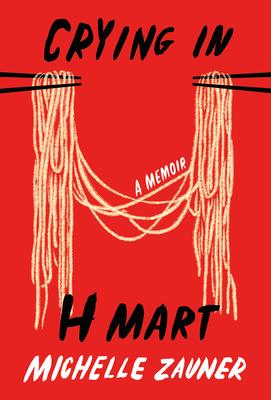
“Crying in H Mart” by Michelle Zauner traces one woman’s journey through grief, identity, and love of food. From the first pages, Zauner invites us into her childhood kitchen, where smells of Korean spices mingled with American staples. She recalls visiting H Mart with her mother, buying radishes and spicy gochujang, and learning family recipes by watching her move deftly around the stove. These memories anchor the narrative, reminding us how food can carry emotion and identity.
Zauner describes growing up in Eugene, Oregon, the only Asian American in her neighborhood. She felt caught between two worlds, American pop culture and the traditions her mother Dora brought from South Korea. At home, the walls filled with family photos and photographs of longtime friends. Yet at school, Michelle’s hair and eyes marked her as other. Quiet at first, she learned to use humor and music to connect.
In high school, music became her refuge. She took up guitar, finding solace in songwriting. Her mother encouraged her creativity but also pushed her toward stability, gently steering her toward college. Michelle worried her music would disappoint Dora. Still, they bonded over playlists—Dora loving ’80s pop and Michelle sharing Korean ballads.
After graduation, Michelle left for New York University. She embraced city life—late nights painting, endless playlists, and eclectic friends. When she moved to Portland later, she formed her band, Japanese Breakfast. Dora cheered but worried. Their phone calls swung from gig updates to recipe tips: how long to simmer oxtail or the right ratio of sesame oil to soy sauce.
In her late twenties, Zauner’s life fell into a familiar rhythm: touring, writing songs, and nesting in Portland apartments. Dora visited for short stays, teaching Michelle to make kimchi and japchae. Those weekends at H Mart became ritual—choosing produce together, laughing over rice cakes that stuck to their fingers. Each trip deepened Michelle’s sense of home.
Then came the diagnosis: aggressive cancer in Dora’s gallbladder. Zauner rushed back to Portland, where the hospital waiting rooms felt like a foreign language. She learned medical terms overnight. Chemotherapy began. Dora’s hair fell out, and her energy drained. Yet she insisted on teaching Michelle to cook one last time, guiding her hands through kneading dumpling dough.
As treatments progressed, Michelle alternated between hope and fear. She turned to her journals, scribbling lyrics that later formed some of Japanese Breakfast’s most personal songs. Writing became survival. She immersed in work to keep panic at bay, even as Dora weakened. Their relationship shifted: Michelle’s not the child any longer but caretaker, attending scans and coordinating medications.
The memoir’s heart lies in the hospital kitchen table, where mother and daughter share bits of seaweed soup and pickled cucumbers. Dora’s questions—about Michelle’s songwriting, her dreams—remain gentle. They talk about loss in abstract terms at first, but grief seeps in. Michelle realizes no amount of music or cooking can save her mother.
After surgery, Dora seemed to improve briefly. They celebrated with a feast: spicy tofu stew, braised beef ribs, fluffy rice. Later, they watched old home videos, Dora’s voice bright as she praised Michelle’s childhood art projects. For a moment, the disease receded, letting them slip back into daughter and mother.
But cancer returned. This time, treatments failed. Michelle descended into despair—unable to eat the foods that once comforted her. H Mart aisles haunted her. She felt guilty for the meals she couldn’t finish, the cookbooks she avoided. Grief became a physical ache in her stomach.
At her mother’s bedside, Michelle read from a Korean folktale. Dora whispered corrections to her pronunciation. They laughed softly despite the IV drips and beeping monitors. In those moments, life condensed to small rituals: a slurp of broth, a shared sip of iced barley tea.
Dora passed away. Michelle’s world convulsed. She sunk into waves of sobs, haunted by the final silence. Friends tried to console her with casseroles and casseroles. She found comfort only in walking the empty aisles of H Mart, letting tears slip as she held daikon or rice flour. Each ingredient became a talisman of memory.
Over months, Zauner learned to live with loss. She returned to music and poured grief into lyrics. On stage, songs about kimchi and kitchens became elegies, and audiences wept along. She realized her mother lives on in every note and every bite. Food no longer felt like torture but like communion.
By the book’s end, Michelle visits Korea for the first time without her mother. She stands at a busy Seoul market, overwhelmed by scents she once shared with Dora. She tastes noodle soup alone and feels her mother’s voice in the slurp. Tears come, but she smiles.
“Crying in H Mart” closes as a love letter—to a mother, to heritage, and to the way food holds us close. Zauner shows that through cooking and eating, we carry our lost loved ones forward. And while grief never fully leaves, it shapes new connections, reminding us that memory and flavor can heal even the deepest wounds.
Detailed Summary
Key Takeaways
1. Grief and Loss
“I’m crying in H Mart, because every bite tastes like home and heartbreak.”
Confronting Mourning: Michelle Zauner opens the memoir by navigating the raw chasm left by her mother’s death from cancer. She doesn’t shy away from grief’s harsh edges. Instead, she immerses you in the ache—recalling how a single song or meal can open old wounds.
She treats mourning as more than sorrow. It becomes a lens through which identity and memory converge. Zauner writes with a vulnerability that makes you ache alongside her, sensing how loss reshapes both heart and sense of self.
Universal Echoes: Zauner’s exploration of mourning resonates far beyond her personal story. Readers find solace in her honesty. They recognize in her tears their own private struggles. In a culture that often rushes past grief, Zauner grants permission to slow down and feel.
Historically, memoirs have bridged personal loss and collective empathy. “Crying in H Mart” upholds that tradition. It also spurs conversations about mental health. When we witness Zauner’s openness, we rethink how society supports those in pain.
Key points:
- Places grief at memoir’s emotional core
- Uses sensory memory to illustrate loss
- Invites readers into an unguarded space
- Challenges social taboos around mourning
- Fosters empathy through vulnerability
2. Food as Memory
“A bowl of rice is never just rice; it’s the story of every hand that cooked it.”
Culinary Remembrance: Zauner frames Korean dishes as vessels of memory. Every simmered broth and marinated vegetable carries echoes of her mother’s kitchen. Through detailed descriptions—steam swirling, garlic sizzling—she transports you back to shared dinners at H Mart.
Food becomes the connective tissue between past and present. When Zauner grates ginger or stirs gochujang, she isn’t merely cooking. She’s conversing with her mother’s spirit, replaying moments of laughter and care. That act of preparation births both grief and comfort.
Cultural Revival: This memoir shines a spotlight on how food preserves family history. In immigrant and diasporic communities, dishes passed down generations hold cultural memory. Zauner’s vivid scenes encourage readers to dig into their own culinary legacies.
Beyond personal healing, food-focused memoirs spark broader interest in diverse cuisines. “Crying in H Mart” contributed to the rise of Korean cooking in home kitchens worldwide. It also refocuses attention on how food strengthens cross-cultural understanding.
Key points:
- Highlights sense-memory through taste and smell
- Links recipes to family narrative
- Transforms cooking into emotional ritual
- Encourages readers to explore heritage
- Illustrates food’s role in identity formation
3. Mother-Daughter Bond
“She taught me how to be both fragile and fierce.”
Dual Legacy: Zauner paints her mother, Chongmi, as both gentle guide and resolute protector. Family anecdotes reveal how Chongmi balanced Korean tradition with American life. She urged Michelle to pursue art yet never let her forget her roots.
Their relationship brims with loving friction. From arguments about hair straightening to shared music sessions, each moment deepens their bond. Through Zhuner’s eyes, we experience the tenderness and tension that shape a daughter’s understanding of maternal love.
Redefining Care: This portrayal challenges one-dimensional stereotypes of immigrant mothers. Zauner shows how Chongmi’s strength stems from cultural duality—fusing Korean stoicism with warmth. That complexity invites readers to reconsider their own parental relationships.
In a society fixated on perfection, acknowledging parental imperfections feels radical. “Crying in H Mart” demonstrates that flawed, loving mothers teach resilience. Zauner’s story encourages gratitude for nuanced family ties.
Key points:
- Explores nuanced maternal love
- Balances vulnerability with resolve
- Exposes cultural expectations in parenting
- Demonstrates how conflict fuels closeness
- Models intergenerational learning
4. Cultural Identity
“I am neither fully Korean nor fully American, but a blend I am still learning to taste.”
Navigating Hybridity: Throughout the memoir, Zauner wrestles with mixed-race identity. She recalls schoolyard taunts and longing for belonging. Korean language classes feel like lifelines and isolation alike. Zauner’s internal dialogue mirrors that tension.
Her journey isn’t linear. Some days she rejects Korean customs; others she clings to them. By sharing doubts about where she fits, Zauner validates the experience of many multiracial and immigrant children striving to carve their own cultural space.
Broader Conversations: Zauner’s candid exploration joins a growing body of work on bicultural identity. That literature invites society to see beyond rigid racial boxes. Readers question their own assumptions about belonging and heritage.
In popular culture, hyphenated identities are gaining visibility. Memoirs like Zauner’s help dismantle stereotypes. They remind us that identity evolves, shaped by memory, language, and community.
Key points:
- Reflects on race and belonging
- Shows shifting self-perception
- Addresses peer pressure and isolation
- Highlights importance of language
- Encourages embracing mixed heritage
5. Music and Healing
“Writing songs surprised me—it reminded me how to feel alive when everything else felt hollow.”
Creative Revival: Zauner chronicles how grief seeped into her music with her band Japanese Breakfast. She describes late-night writing sessions, lyric fragments bleeding from notebooks stained with tears. Music becomes both confession and catharsis.
The memoir traces how performance reignited her spirit. Touring in the months after her mother’s death felt like a lifeline. Zauner found solace in connecting with fans who shared their own stories of loss. Through melody, she stitched a path toward renewal.
Artistic Empathy: This account spotlights art’s power to heal. Zauner’s fusion of memoir and music amplifies empathy. Listeners find community in shared sorrow and uplift.
Moreover, her story underscores the mental health benefits of creative expression. As conversations about artist well-being gain traction, “Crying in H Mart” exemplifies how art fosters resilience.
Key points:
- Links songwriting to emotional processing
- Shows live music as communal healing
- Highlights fan-artist solidarity
- Demonstrates creativity’s therapeutic value
- Illustrates art born from pain
6. Commerce of Memory
“H Mart aisles brim not just with groceries but with what I’ve lost and what I might find.”
Supermarket as Sanctuary: Zauner elevates the Korean grocery chain H Mart into a symbolic space. Its aisles evoke her mother’s hands guiding her toward produce and snacks. Each product triggers memory: a childhood meal, a laugh, an argument.
She portrays shopping not as chore but pilgrimage. That transformation reveals how everyday places host profound emotional landscapes. Zauner shows that wandering a market can unearth buried feelings and spark remembrance.
Commercial Culture Meets Emotion: By recasting a retail space as memoir’s setting, Zauner examines consumerism’s emotional layers. We see how brands shape cultural belonging and nostalgia.
Her account also broadens how we think about mourning. Loss doesn’t only happen at funerals; it surfaces in supermarkets, music stores, even streets we walked with loved ones. That insight encourages readers to remain attentive to their own emotional geography.
Key points:
- Positions H Mart as emotional landscape
- Links consumer spaces to memory
- Challenges view of shopping as mundane
- Demonstrates how places carry stories
- Encourages mindfulness in daily life
Future Outlook
Crying in H Mart has already reshaped conversations around grief and heritage. The memoir’s blend of food writing, cultural exploration, and raw emotion invites future storytellers to adopt similarly hybrid approaches. We’ll likely see more works that fuse culinary memoir with personal narrative, confirming that taste and memory walk hand in hand.
In academic circles, Zauner’s reflections on mixed-race identity and immigrant motherhood could inform studies in cultural anthropology and psychology. Her vivid descriptions of sensory memory offer fresh qualitative data on how the senses encode loss. Researchers may build on her insights to explore therapeutic interventions that center food and art in mourning practices.
On a societal level, “Crying in H Mart” encourages a more open dialogue around mental health, especially in communities that historically stigmatize emotional vulnerability. As readers share their own stories inspired by Zauner’s candor, we might witness growing networks of support. In the years ahead, this memoir could stand as a catalyst for cultural empathy, forging deeper connections across differences.