Summary
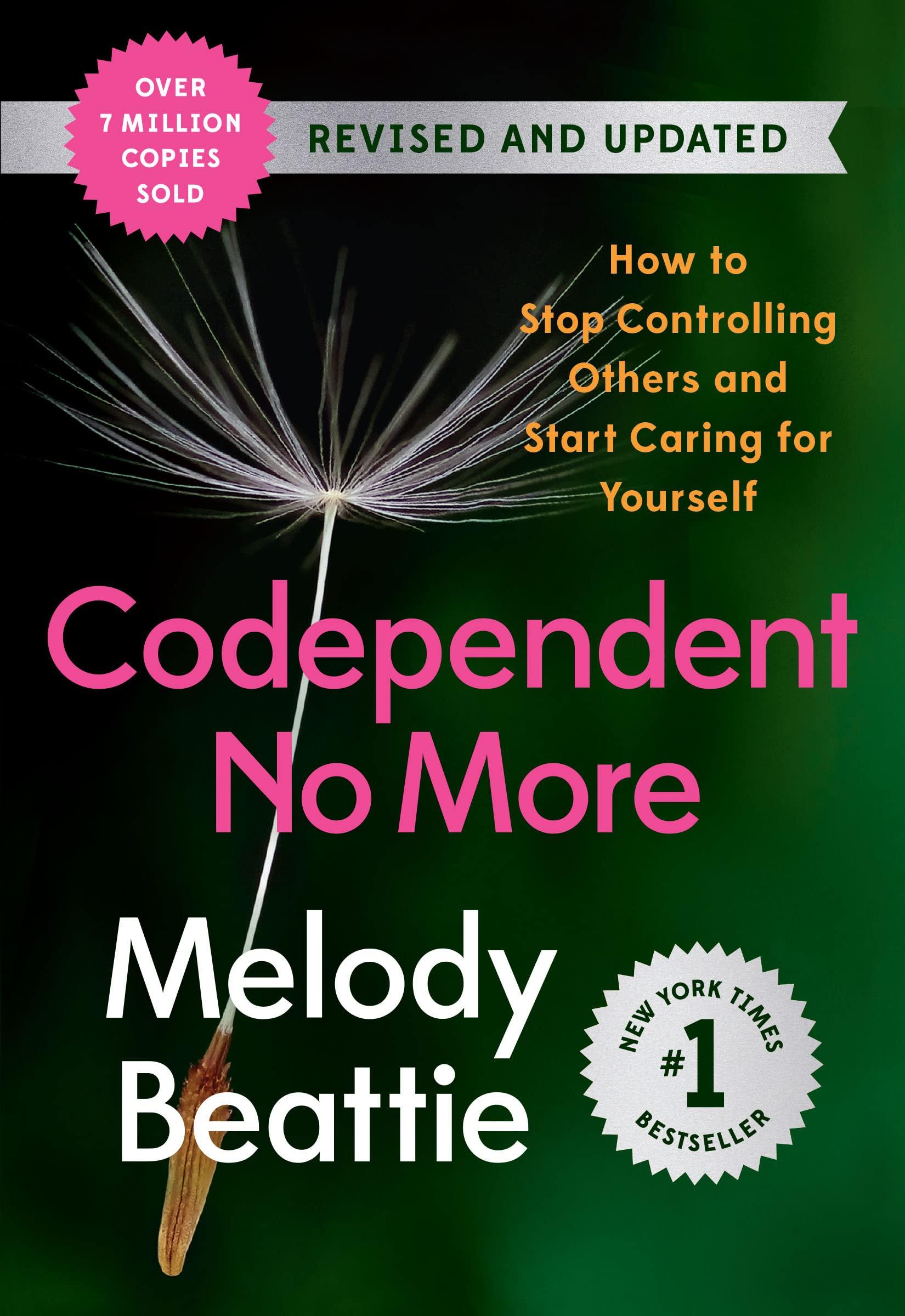
"Codependent No More" by Melody Beattie explores the hidden dynamics of codependency and offers a path to personal freedom and healthy relationships.
Beattie begins by defining codependency as a set of learned behaviors and beliefs that prevent people from having healthy, balanced relationships. She shows how many of us grow up in families where love feels conditional. As children, we adapt by trying to earn approval. These patterns follow us into adulthood, causing emotional chaos and self-neglect.
The author then guides readers through self-assessment. She offers questionnaires and checklists so you can spot codependent traits in yourself. You’ll find questions about people-pleasing, fear of abandonment, and difficulty saying no. These tools shine a light on habits we usually ignore.
Once you recognize codependent thinking, Beattie explains how shame and guilt keep us trapped. Guilt makes us feel responsible for others’ feelings. Shame tells us we’re flawed or unlovable. Beattie urges you to challenge these inner critics. You can learn to separate your worth from other people’s moods.
Next, she introduces detachment as the key to recovery. Detachment doesn’t mean you stop caring. Instead, you stop interfering and controlling. You learn to allow others to live their own lives and face their own consequences. This shift frees you from endless worry and resentment.
Beattie then emphasizes the importance of setting boundaries. She shows how to say no firmly and kindly. You’ll practice small steps, such as refusing a favor when you feel drained. Over time, clear limits protect your time and emotions. Boundaries become an expression of self-respect.
In later chapters, the author explores the role of self-care. She reminds you that taking care of yourself isn’t selfish. It’s a basic human need. Beattie suggests simple rituals: regular sleep, balanced meals, and brief moments of solitude. These practices rebuild your energy and self-esteem.
Beattie also addresses rescue fantasies—our urge to fix others. She explains how these impulses often leave us exhausted and resentful. Instead, she encourages you to offer support without taking on another’s problems. True help comes from listening and empathizing, not controlling.
The book then explores codependency in specific contexts, such as addiction and relationships with narcissists. Beattie draws on examples of people caught in unbalanced love and substance abuse. She shows how codependency worsens addiction cycles, and how recovery requires both parties to face their issues.
A significant portion of the book considers support systems. Beattie highlights twelve-step programs and other peer groups. She shares stories of individuals who found strength in community and honesty. You learn how sponsorship, sharing, and service can reinforce new habits and reduce isolation.
Relapse into old patterns is common, she warns. Instead of shaming yourself, you’re taught to view setbacks as feedback. You explore what triggered the slip—perhaps fear, stress, or loneliness—and address those root causes. This compassionate approach helps you stay on course.
Beattie encourages journaling as a tool for self-discovery. Writing down thoughts and emotions brings hidden fears to light. You can track progress and notice recurring themes. Over time, your journal becomes a record of growth and healing.
Towards the end, the author explores spirituality—not in a dogmatic sense but as a source of connection and purpose. She suggests meditation, prayer, or simply pausing to feel gratitude. These practices help center you and remind you of something greater than daily worries.
Beattie closes by celebrating the freedom found in recovery. She describes life beyond codependency: relationships based on mutual respect, inner peace, and authentic joy. You learn that true love starts with loving yourself.
Throughout the book, Beattie’s warm, conversational tone feels like a friend guiding you step by step. Her blend of personal anecdotes, practical exercises, and gentle encouragement makes "Codependent No More" a lasting resource for anyone who wants to reclaim their life and build healthier connections.
Detailed Summary
Key Takeaways
1. Recognizing Codependency
“Codependency is an unhealthy relationship pattern where you let another person’s behavior affect you.”
Defining Codependency: Melody Beattie opens by defining codependency as a set of learned behaviors. She shows how people grow up believing that love means putting others first. They lose sight of their own needs.
She traces codependency back to family dynamics. Children of alcoholic or addicted parents often take on caretaker roles. They learn to ignore their own feelings and focus only on others’ moods. Over time this habit becomes automatic.
Widespread Relationship Strain: This insight helps readers see that codependency affects more than just romantic partners. It seeps into friendships, workplaces, and families. People pick caretaking over self-care. They overextend themselves.
Society pays a cost when individuals sacrifice too much. Burnout and resentment grow. Team dynamics suffer in workplaces. Families remain stuck in cycles of obligation. Recognizing codependency is the first step toward healthier bonds.
Key points:
- Codependency arises from putting others’ needs first
- It often starts in childhood in chaotic homes
- People lose awareness of their own feelings
- It spreads into every type of relationship
- Naming the pattern helps break it down
2. The Roots of Rescue
“I rescued others to feel needed. My own emptiness felt safer when it was masked by helping.”
The Rescue Habit: Beattie describes the “rescuer” who jumps in to solve problems. This person believes their worth comes from fixing others. They fear abandonment if they stop.
She points out that rescuing feels rewarding at first. The rescuer gains praise and a sense of purpose. Yet this habit traps both parties: the rescuer grows exhausted and the other person remains helpless.
Fueling Dependency: When rescuers take over tasks, they undercut autonomy. The helped party never learns to solve problems. They stay stuck in victim mode.
Over time both suffer. The rescuer burns out and grows resentful. The other person loses confidence and self-reliance. Relationships become lopsided and fragile.
Key points:
- Rescuing masks personal emptiness
- It grants fleeting self-worth
- It prevents others from growing
- It leads to burnout and bitterness
- Balanced help fosters independence
3. Setting Healthy Boundaries
“Saying no isn’t selfish; it’s self-preservation.”
The Power of No: Beattie emphasizes that boundaries protect mental health. She urges readers to practice saying no. Boundaries tell others what you will and won’t tolerate.
She offers scripts and examples for common challenges. Saying no to extra work or emotional dumping feels strange at first. But repetition builds confidence. Boundaries reshape relationships toward respect.
Shifting Relationship Dynamics: Healthy limits restore balance. When you refuse demands that cross your limits, you gain time and energy. Others learn to meet you halfway.
Boundaries also signal self-respect. They discourage manipulation and control. Over time people respond more honestly. Relationships grow healthier and more equal.
Key points:
- Boundaries safeguard emotional health
- Saying no builds self-respect
- They take practice to enforce
- They shift power toward equality
- They foster mutual respect
4. Detaching With Love
“Detach with love means I don’t have to fix you to care about you.”
Practice of Detachment: Beattie introduces detachment as letting go of control. You remain supportive, yet you stop rescuing. You allow others to face consequences.
Detachment feels counterintuitive at first. You worry about abandonment or guilt. Yet by stepping back you encourage growth and personal responsibility.
Encouraging Self-Responsibility: When you detach, others face the results of their choices. This fosters accountability. They learn to solve their issues or seek help.
Over time, relationships become more honest. You no longer enable bad habits. You and the other person can relate without unhealthy control.
Key points:
- Detachment stops rescue efforts
- It lets others face outcomes
- It promotes personal growth
- It reduces guilt and control
- It builds honest connections
5. Embracing Self-Care
“Caring for myself is not self-indulgence; it is self-preservation.”
Valuing Yourself: Beattie urges readers to shift focus inward. Self-care means listening to your needs. It includes rest, hobbies, and positive self-talk.
She offers exercises like journaling and affirmations. They help you reconnect with your feelings. You learn to honor your body and mind.
Repairing Self-Esteem: Ignoring your needs erodes self-esteem over time. Self-care rebuilds confidence. You discover that your worth doesn’t depend on others’ praise.
Communities benefit when individuals prioritize well-being. Burnout falls, and relationships become healthier. People show up more fully when they nurture themselves.
Key points:
- Self-care is essential, not indulgent
- It rebuilds self-esteem
- It involves practical exercises
- It reduces burnout
- It improves all relationships
6. Healing Through Support
“You don’t have to do this alone. Support heals.”
Power of Community: Beattie highlights group work like Al-Anon and therapy. Sharing stories breaks isolation. You realize you’re not the only one.
Groups offer accountability and insight. They teach coping skills and reinforce boundaries. Over time they become lifelines.
Collective Transformation: Community settings accelerate healing. You learn from others’ successes and setbacks. You gain tools you might never discover alone.
Society becomes healthier when people seek help. Stigma around support dissolves. We all benefit when coping skills spread through communities.
Key points:
- Support groups reduce isolation
- They teach real skills
- They offer encouragement
- They normalize boundaries
- They build lasting recovery
Future Outlook
Beattie’s work paved the way for modern recovery programs that prioritize self-care and autonomy. Today therapists and coaches integrate her boundary and detachment models into addiction and relationship counseling. Digital communities now expand support beyond physical meetings, making her principles accessible worldwide.
As codependency awareness grows, workplaces and schools adopt emotional health curricula. They teach young people to set limits early. This shift promises healthier future generations who value balance over burnout.
In policy realms, mental health advocates cite Beattie to argue for community funding. They push for broader access to support groups and therapy. Her ideas continue shaping research and practice around healthy interdependence.