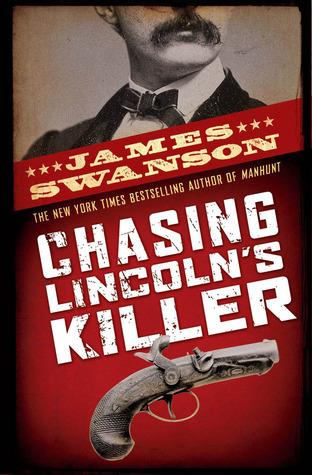
Chasing Lincoln's Killer
4.5 (3391)
12 Mins

Chasing Lincoln's Killer

James L. Swanson

Short Summary

James L. Swanson’s Chasing Lincoln’s Killer narrates the planning, execution, and aftermath of President Lincoln’s assassination. It follows John Wilkes Booth’s escape and the massive Union manhunt that ended at Garrett’s farm. Along the way, the book examines conspirators’ trials and the broader impact on a nation seeking peace.

History

True Crime

Mystery

Summary

Failed to generate raw summary.

Detailed Summary

Key Takeaways

1. A Conspiracy Forms in the Shadows

“By spring 1865, Booth’s circle buzzed with talk of revenge and plots.”

The Seed of Treason: John Wilkes Booth did not act alone. He gathered a small group of co-conspirators who shared his Confederate sympathies. They met in cramped back rooms of Washington taverns and in safe houses across Maryland.

They sketched plans, smuggled weapons, and spoke in hushed voices. Booth’s charisma held sway. Men like Lewis Powell and David Herold bought into his promise to strike a blow for the South.

From Plot to Panic: The conspirators’ secret meetings eroded trust in the Union capital. Neighbors eyed one another with suspicion. Federal agents grew frantic to root out hidden threats.

When Booth finally struck, the network unraveled under pressure. Every arrest revealed another suspect, deepening national paranoia. The ripple effects lasted long after the manhunt ended.

Key points:

  • A circle of five main conspirators
  • Secret meetings in taverns and barns
  • Smuggled pistols and real daggers
  • Plans morphed from kidnapping to assassination
  • Their defeat fueled federal security reforms

2. Lincoln’s Night at Ford’s Theatre

“The laughter of the play gave way to a single, horrible shot.”

A Night of Celebration: President Lincoln attended Our American Cousin on April 14, 1865. The Union victory at Appomattox stirred hope across the nation. By returning to the theater, Lincoln aimed to show calm in the face of victory.

He sat in the presidential box with his wife, Mary. Across the stage, actors joked and danced. None could imagine tragedy would interrupt the performance so violently.

Breaking the Illusion of Safety: Until then, political violence in Washington seemed distant. The capital felt secure behind its gleaming columns and guard posts. Booth’s shot shattered that shield instantly.

From that night forward, every presidential appearance invited fresh alarm. Officials beefed up security at public events. The reverberations shaped how future presidents traveled in public for decades.

Key points:

  • Lincoln attended a comedy performance
  • Sat beside Mary Todd Lincoln
  • The play paused at the sound of a pistol
  • Chaos erupted among guests and actors
  • Security measures grew tighter afterward

3. Booth’s Escape and the Horse Chase

“He rode like a man possessed, through alleys and fields, desperate to outrun justice.”

A Flight Through Darkness: After shooting Lincoln, Booth leaped to the stage and wounded a guard. He then disappeared into a maze of back streets. His horse, a fast bay stallion, carried him out of the city.

He relied on sympathizers who guided him south. Each stop brought fresh danger. Federal patrols closed in, and the fugitive faced hunger, fatigue, and the fear of betrayal.

Manhunt on Horseback: The pursuit mobilized thousands of Union cavalrymen and detectives. They scoured farms and river crossings. Tollbooths and ferries reported suspicious riders.

The chase illustrated the nation’s urgency for justice. It also exposed weak spots in law enforcement communication. Lessons learned there later shaped federal marshals’ coordination.

Key points:

  • Booth fled Ford’s Theatre on horseback
  • Crossed the Navy Yard Bridge
  • Relied on Confederate sympathizers
  • Federal troops pursued in force
  • Network of informants reported sightings

4. A Network of Confederate Sympathizers

“Safe houses lay along back roads, hidden by friendly faces.”

Hidden Paths to Freedom: Booth and his allies used a well-worn corridor of escape. They passed from farm to farm. Some families risked imprisonment to offer food and shelter.

Messages traveled by courier. Rivers became secret highways. Confederate cells in Maryland and Virginia coordinated the flow of fugitives toward the South.

Trust and Treachery: These networks showed how divided the border states remained after the war. While some welcomed the escapees, others betrayed them for reward money. That mix of loyalty and greed shaped Booth’s final hours.

The federal government later targeted these sympathizers in prosecutions. Their trials underscored the thin line between dissent and treason.

Key points:

  • Safe houses dotted Maryland and Virginia
  • Couriers carried coded messages
  • Supplies sent under cover of darkness
  • Some informants betrayed the route
  • Government tightened border patrols

5. The Final Stand at Garrett’s Farm

“Cornered in a tobacco barn, Booth refused to yield.”

A Climax in Virginia: In mid-April, Booth and Herold reached a farm owned by Richard Garrett. They hoped to cross the Potomac and reach Confederate lines. Instead, Union troops surrounded the barn.

They called for surrender. Booth raised his pistol. He fired at his pursuers. The soldiers set the barn ablaze. Moments later, a bullet—accidental or self-inflicted—ended Booth’s flight.

Justice on Display: Booth’s death provided closure to a grieving nation. Crowds gathered to hear the news. They felt vindication, but also a haunting sense of tragedy.

The incident fueled debates over capital punishment and fair trials. The government faced questions about due process for Herold and other conspirators.

Key points:

  • Located at Garrett’s farm in Virginia
  • Union troops besieged the tobacco barn
  • Booth shot inside the doorway
  • Barn set ablaze to force surrender
  • Booth died hours later from his wound

6. Trials and Sentences of the Conspirators

“In the summer heat, eight men faced judgment for Lincoln’s death.”

From Arrest to Courtroom: Federal authorities rounded up over a dozen suspects. A military tribunal tried eight key figures. The hearings lasted several weeks in a tense atmosphere.

Witnesses recounted secret conversations. Booth’s associates offered conflicting stories. The judges felt pressure to punish swiftly and set an example.

Balancing Law and Retribution: Historians still debate whether a military trial was fair. Critics argued civilians deserved Article III courts. Proponents said the assassination qualified as an act of war.

In the end, four men faced execution by hanging. The others received long prison terms. The trials highlighted tensions between justice and vengeance at war’s end.

Key points:

  • Eight conspirators faced a military tribunal
  • Testimonies relied on written affidavits
  • Four received death sentences
  • Sentences ignited debate over trial type
  • Set precedents for wartime justice procedures

Future Outlook

Chasing Lincoln’s Killer reshapes how we see the fragile peace after the Civil War. It reminds us that victory on the battlefield does not end conflict. A single act of violence can undo months of healing and reconstruction.

The book’s detailed manhunt offers lessons in coordination, intelligence gathering, and crisis response. Modern law enforcement can trace its roots to those frantic days in 1865. Agencies still adapt methods born during Booth’s pursuit.

Moreover, Swanson’s narrative underscores how leadership carries risk. When heads of state appear in public, they send a message of strength. Yet they also invite danger. This tension continues to define security policies for world leaders today.

This AI-assisted summary has been created with Smmry.com — please try it yourself to summarize books, essays, YouTube videos, academic papers, and any other type of media.🚀 Try Smmry Now

More Book Summaries

Frequently Asked Questions

Here are the most common questions we receive from users, constantly updated.

Chasing Lincoln’s Killer delves deeply into themes of justice, loyalty, and national trauma after President Lincoln’s death. Swanson highlights the urgent drive to bring John Wilkes Booth to justice, underscoring how a single act of violence plunged the nation into chaos. You see this collective resolve play out in the efforts of detectives, soldiers, and even ordinary citizens, all united by a sense of duty to heal a divided country.

Meanwhile, the book also examines the weight of loyalty in a fractured America. Characters like Sgt. Boston Corbett and Detective Ward Hill Lamon navigate personal codes of honor amid the hunt. Their decisions—to risk life and limb in pursuit of Booth—reveal how loyalty can inspire bravery but also lead to moral dilemmas. This tension between personal conviction and legal duty adds emotional depth to the manhunt narrative.

Swanson pieces together Booth’s flight using firsthand accounts, military reports, and newspaper clippings from 1865. He traces Booth’s journey from Ford’s Theatre to southern Maryland, then across Virginia before the fatal standoff at Garrett’s farm. Each location gets its own vivid description, complete with geography, weather, and the people Booth encountered along the way.

By weaving primary documents with storytelling flair, Swanson brings the pursuit to life. He alternates between Booth’s desperate tactics—such as disguises and stolen horses—and the dogged detectives following every rumor. This back-and-forth creates a tense, almost cinematic chase that keeps you on edge, wondering if the fugitive will slip through their fingers one more time.

Several protagonists drive the manhunt in this narrative. Ward Hill Lamon, Lincoln’s former bodyguard, organizes civilian detectives while balancing his own grief. He works alongside Secret Service agents like Lafayette Baker, known for his ruthless efficiency in tracking Confederate spies. Each brings unique skills and methods: Lamon relies on personal networks in Washington, D.C., while Baker focuses on interrogations and intelligence gathering.

Another memorable figure is Sergeant Boston Corbett, the soldier who ultimately shoots Booth. Corbett’s religious fervor and erratic behavior add complexity to his role. Swanson portrays Corbett as both a hero and a troubled soul, struggling with faith and duty. This mix of personalities shows how diverse talents and temperaments converged to end the most notorious escape in American history.

Swanson leans heavily on official records from the War Department, Secret Service files, and contemporary newspapers. He cites trial transcripts from Booth’s co-conspirators and personal diaries from Union officers. By cross-referencing these materials, he verifies timelines and motives, which helps avoid historical contradictions.

In addition, Swanson consulted local archives in Maryland and Virginia, where Booth’s trail ran cold. He unearthed letters from bystanders and officials that offer fresh perspectives on key events. These firsthand accounts enrich the narrative, adding nuance to familiar moments—like Booth’s final hours at Garrett’s farm or the heated interrogations that followed Booth’s death.

Swanson paints Booth as a charismatic yet fanatical actor turned conspirator. He highlights Booth’s Southern sympathies and his view of Lincoln as a tyrant. Through letters and eyewitness testimony, Booth emerges as both a thrill-seeker and a man consumed by revenge. He moves from stage performances to clandestine plotting, showing how his ambition mutated into violent action.

Despite his dramatic flair, the narrative doesn’t glamorize Booth. Swanson underscores his recklessness—his rash escape plans and overconfidence around Confederate sympathizers. This portrayal makes Booth a complex villain whose charisma both masks and reveals his dangerous ideology.

Geography dictates much of the pursuit’s tension. Swanson lays out the rivers, roads, and forests that Booth and his pursuers navigated. The terrain around Southern Maryland, with its swamps and hidden trails, offered Booth temporary sanctuary. But it also slowed his progress and drained his resources. Swanson gives readers maps and detailed descriptions that help you imagine each narrow escape.

On the logistics side, the narrative highlights how limited communication hampered the search. Telegraph lines were still recovering from the war, and militia units struggled to coordinate across state lines. These delays gave Booth precious hours. Yet Swanson also shows how improving intelligence—through intercepted letters and civilian informants—gradually tipped the balance in favor of the manhunters.

Swanson combines meticulous research with a brisk, page-turning style. He breaks the story into short chapters that often end on cliffhangers—Booth’s next move, a surprise lead, or a sudden danger to the pursuers. This structure echoes spy novels and keeps readers invested in each twist.

Beyond pacing, the book’s vivid character sketches make it feel like a novel. You encounter a wide cast of real people—grieving soldiers, shifty smugglers, brave civilians—each reacting to the crisis in their own way. Their diverse perspectives create a rich tapestry, transforming a familiar historical event into a gripping human drama.

Swanson writes with clarity and restraint, avoiding jargon and long academic asides. He explains Civil War-era terms and military ranks in context, so no reader feels lost. At the same time, he doesn’t oversimplify events. You get enough detail to appreciate the complexity of the manhunt without drowning in footnotes.

He also uses dialogue and vivid scenes to break up exposition. Rather than listing facts, Swanson often reconstructs conversations based on trial records or letters. These dramatized moments—like the tense standoff at Garrett’s barn—immerse you in the scene. They maintain historical accuracy while preserving narrative momentum.

The aftermath of Lincoln’s assassination revealed deep wounds in a nation still healing from civil strife. Swanson shows how Union leaders feared renewed rebellion and unrest. The hunt for Booth became a rallying point, shifting public focus from battlefield losses to the need for stability and justice.

Meanwhile, the book highlights social tensions in border states like Maryland and Virginia. Confederate sympathizers risked exposure if they aided Booth, while Unionists worried about reprisals. This atmosphere of suspicion and loyalty tested communities. Swanson uses these local dynamics to illustrate the fragile state of reconciliation in the war’s immediate wake.

Yes, the book includes a comprehensive bibliography, endnotes, and period illustrations that support deeper exploration. Swanson cites primary sources for every major event, making it easy to cross-check facts. The organized notes chapter allows students and history buffs to track down original documents or archives.

Moreover, the narrative’s clear chronology and index make it a handy reference tool. You can quickly locate key incidents—like Booth’s crossing at Huckleberry Ford or the Garrett farmhouse siege—and then consult Swanson’s source notes for more context. This balance of storytelling and scholarship makes it both engaging and dependable for anyone studying Lincoln’s assassination and its fallout.

Ready to Simplify Your Text?

Transform lengthy content into concise summaries effortlessly. Whether you're working on essays, blogs, or research articles, our tool has you covered.

Try FREE Now
Summarize

AI Powered Technology