Summary
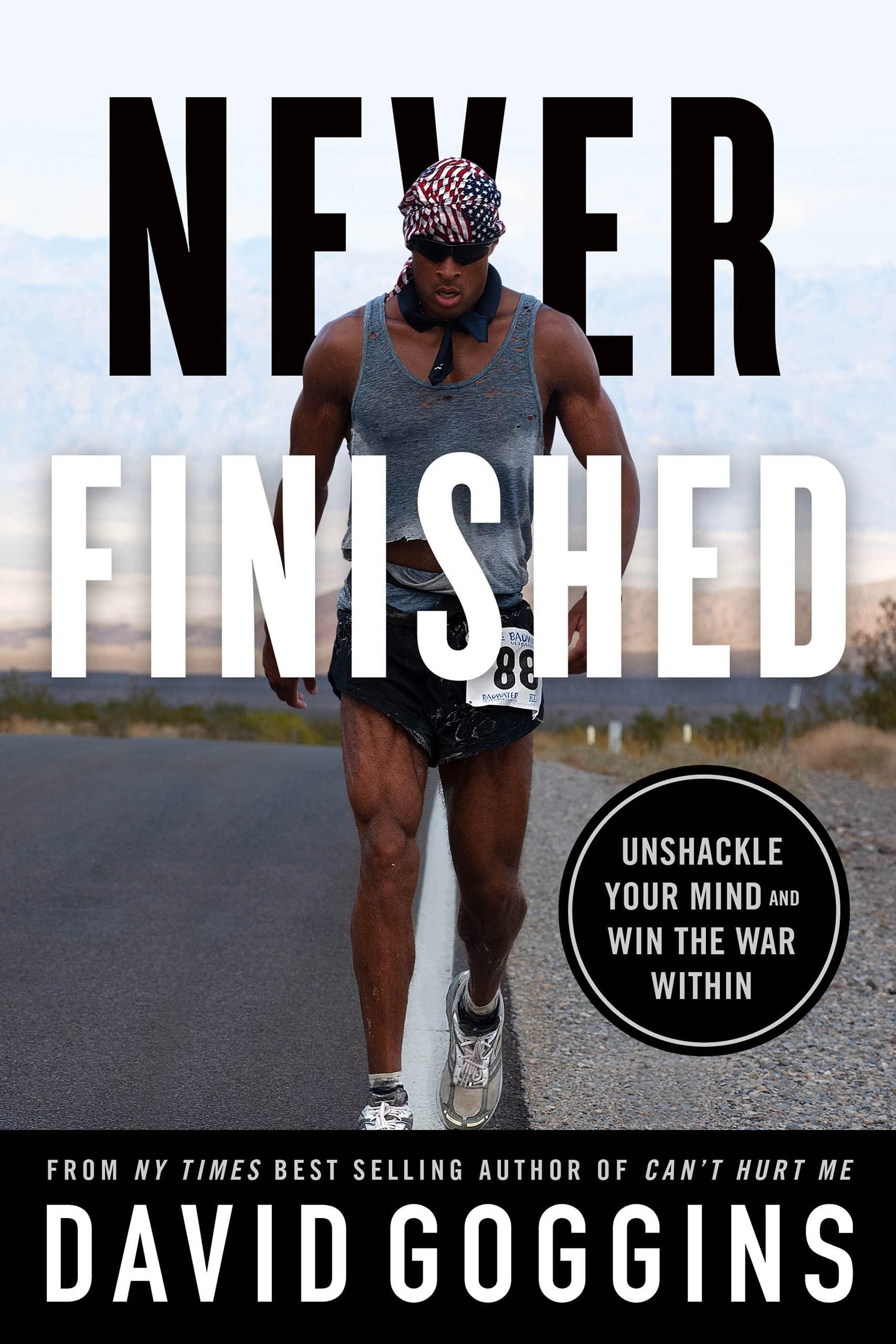
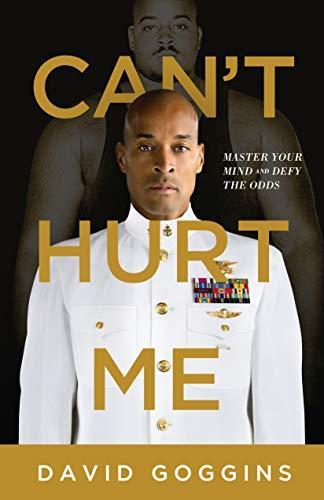
David Goggins’ memoir, Can’t Hurt Me: Master Your Mind and Defy the Odds, recounts his journey from a tortured childhood to becoming one of the toughest endurance athletes in history. He opens with memories of living in an abusive home, where he and his brother endured constant violence from their father. Goggins describes how fear and pain were daily companions and explains that early trauma forged a survival mindset. Yet he also hints at an inner desire to break free—though he didn’t understand it at the time. This spark would later become the engine of his unyielding drive.
Goggins paints a vivid portrait of his youth in rural Florida, struggling with learning disabilities and obesity. Teachers labeled him slow, and classmates called him “retard.” He retreated into video games and junk food. One afternoon, he realized he needed a different plan. That moment marked the start of his quest for self‐mastery, though he had little idea what lay ahead.
When Goggins joined the Air Force, he faced his first major physical challenge: Basic Underwater Demolition/SEAL (BUD/S) training. He arrived grossly out of shape at Lackland Air Force Base and watched classmates breeze through pull‐ups and runs. He failed his physical test miserably. Instead of quitting, he used the pain of failure as fuel. He woke at dawn and worked out until his body shook. Slowly, he closed the fitness gap between himself and his peers.
Heartbreak came when a health issue derailed his SEAL aspirations. Doctors diagnosed him with sickle cell trait. Goggins watched others move on while he sat sidelined. He felt devastated—like destiny had turned on him. In response, he made a choice: control what you can. He trained harder, focusing on running and cycling, turning frustration into purpose. This detour later set the stage for record‐breaking endurance feats.
Goggins recounts his first ultra‐marathon at the HURT 100 in Hawaii. He signed up on a dare with no prior racing experience. During the race’s final hours, his toenails ripped off, and his legs swelled twice their size. He could barely walk. Yet he pressed on, naming each step, reciting motivational mantras. Crossing the finish line redefined his notions of pain and possibility. He describes this as a breakthrough: when your mind says stop, you can push harder.
To sustain that edge, Goggins created the concept of the Accountability Mirror. He plastered his bathroom mirror with sticky notes listing every flaw—weight, fear, excuses. At night, he’d stare into his own eyes and recite truths. He challenged himself to turn each note into a goal. It felt brutal, but it forced him to own his shortcomings instead of hiding behind them. That practice built radical self‐honesty and prepared him for tougher battles.
In one chapter, he introduces the 40% Rule: when your mind screams you’re done, you’re only at 40% of what you can endure. He’s stood on the brink of collapse in Death Valley races, listening to his body beg him to stop. Yet he’s taught himself to call on the other 60%—to find reserves beyond perceived limits. He likens it to a mental savings account: tap into it when everything else is spent. From fire when your lungs burn to shards of doubt, he pushes through.
Obstacles piled up. In one brutal Ironman triathlon, he lost his gear, ran off course, and swam in gear meant for a sprint tri. He still finished. In another event, he went hypothermic crossing a lake. Instead of quitting, he treated each crisis as a lesson. Goggins writes about learning to reframe failure: not as the end, but as data. You dissect it, learn what broke down, and fix it.
Goggins also shares how he uses visualization to prepare for racing. Before a long run, he imagines every twist in the road, every hill’s gradient, and every possible setback. He pictures a shelf of dead skin and grit caked on his shoes. He rehearses the moment his quads cramp and how he’ll respond. That vivid rehearsal primes his mind to accept pain as familiar—and conquerable.
Alongside physical feats, Goggins highlights giving back. He turned his racing into fundraisers for fallen SEALs and families of soldiers. One fundraiser netted millions for a non‐profit. He stresses that service fuels grit and purpose. When your goals serve more than yourself, you dig deeper in the dark.
In the penultimate section, Goggins tests the mind with the most extreme challenge: Navy SEAL Hell Week—again. Now in his thirties, he returned to BUD/S to prove to himself that age and past failures hold no sway. He endured hypothermia, mental breakdowns, and cruel hours of nonstop training. Every inch he crawled reinforced one truth: you define who you become.
He closes with the Mindset Reset: four disciplines—callous your mind, learn from chaos, embrace the suck, and defy the odds. He urges readers to build their own hard experiences. He warns against comfort: it kills ambition. Instead, he prescribes small daily risks—cold showers, early work‐outs, speaking up when it’s easier to stay silent.
Short wins matter. You don’t climb Everest in a day. Goggins reminds us that transformation is slow and relentless. Each rep at the gym, each mile on the road, and each truth told in the mirror lays a brick in your strongest self. He ends by daring you to ask: Who do you want to be when the world’s counting on you?
Can’t Hurt Me invites you into its author’s pain cave to wrestle your own demons. You walk away bruised but fueled by a simple creed: the only limits that exist are the ones you place on yourself.
Goggins’ story leaves us believing that any obstacle—physical, mental, or emotional—bends before a mind willing to suffer. In the end, he insists that greatness comes not from talent, but from facing fear again and again until it breaks.
Detailed Summary
Key Takeaways
1. The 40% Rule
“When your mind is telling you you’re done, you’re really only 40 percent into what your body is capable of doing.”
Unlocking Hidden Reserves: Goggins introduces the 40% Rule to highlight how we often tap only a fraction of our potential. He argues that the mind sets conservative limits to protect us from discomfort. By recognizing this tendency, we can push past self-imposed barriers and discover deeper reserves of strength.
He illustrates the rule through ultramarathon events and military training experiences. Each time his body screamed for rest, he reminded himself that quitting meant leaving performance on the table. That realization reframed pain and fatigue as signals to refocus rather than indicators to stop.
Redefining Limits: The 40% Rule challenges conventional fitness paradigms by framing endurance as a mental game. Athletes across disciplines now adopt it to sustain longer efforts and break perceived barriers. It reshapes training, emphasizing mindset drills as much as physical workouts.
Beyond sports, professionals use the rule in high-stress fields—medicine, finance, emergency response—to maintain performance under pressure. By internalizing that perceived exhaustion often precedes actual collapse, individuals cultivate resilience and avoid premature withdrawal from difficult tasks.
Key points:
- Mind defaults to self-protection, not full capacity
- Push past perceived limits to reveal hidden strength
- Applicable to athletic and professional challenges
- Transforms pain into focus rather than signal to stop
- Cultivates mental toughness through practice
2. Accountability Mirror
“I stared at my reflection, acknowledged my failures, and wrote them on sticky notes around the mirror to face every morning.”
Honest Self-Assessment: Goggins crafts the Accountability Mirror as a tool for radical honesty. He peels away self-deception by listing flaws and goals on mirror notes. Each glance becomes a prompt to own shortcomings and commit to improvement.
This ritual forces a confrontation with excuses. By externalizing self-criticism, Goggins restructures his inner dialogue. He shifts from denial to actionable steps, bridging awareness and effort in daily life.
Building Relentless Drive: Firms and teams adopt mirror-style feedback to foster accountability cultures. When everyone faces truth rather than soft praise, performance climbs. Employees target weaknesses rather than hide behind optimism.
On a personal level, people use this concept for weight loss, study plans, or habit change. Seeing goals and failures daily keeps focus sharp. It weeds out rationalizations that derail progress.
Key points:
- Externalizes self-critique to boost accountability
- Transforms mirrors into motivational tools
- Links awareness directly to action steps
- Helps teams adopt transparent feedback
- Keeps goals and failures top-of-mind every day
3. The Cookie Jar
“I reach back into my cookie jar of past victories whenever doubt threatens to derail me.”
Harnessing Past Wins: Goggins coins the Cookie Jar as a mental store of achievements. When facing a tough moment, he recalls earlier triumphs to rekindle confidence. This mental trick counters self-doubt by proving capability through memory.
He fills his jar with everything from military accolades to small personal feats. On brutal runs or cold-water swims, he dredges these memories. That mental sweetness carries him forward despite real-time hardship.
Sustaining Motivation: Psychologists recognize the power of reminiscing on success to boost morale. Athletes keep journals of personal bests, reviewing them before big events. Sales teams celebrate small deals to stay energized through long quarters.
Beyond performance realms, students recall past academic victories before exams. Entrepreneurs revisit startup wins when investors grow cold. The cookie jar approach proves simple yet potent for preserving forward momentum.
Key points:
- Stores positive memories as motivational fuel
- Counters doubt by recalling proven success
- Easy to implement via journals or notes
- Widely used in sports and sales to sustain drive
- Strengthens self-belief in challenging moments
4. Building a Calloused Mind
“You must callous your mind through suffering to endure any real hardship.”
Mental Toughening: Goggins compares the mind to hands that toughen through physical calluses. He seeks discomfort—long runs, ice baths, military drills—to harden mental resilience. Each ordeal rewires his reaction to pain and fear.
Rather than avoid the unpleasant, he leans in. He frames hardship as training. Over time, trivial setbacks no longer derail him. That hardened mindset becomes his shield in extreme environments.
Transforming Adversity: This concept inspires executives to schedule cold plunges or tough morning routines. By greeting discomfort daily, they reduce stress reactivity. Leaders gain steadiness despite crises.
Clinicians also embrace controlled hardship—cold therapy or fasting—to build stress tolerance. Patients learn that redirecting fear of pain into purpose eases chronic anxiety. The calloused mind proves a universal resilience builder.
Key points:
- Seeks controlled hardship to desensitize fear
- Frames discomfort as purposeful training
- Reduces stress reactivity in real situations
- Adopted by leaders for steady decision-making
- Used therapeutically for anxiety and resilience
5. Embrace the Suck
“Pain unlocks a secret doorway in your mind, one that leads to both peak performance and personal evolution.”
Cultivating Growth Through Pain: Goggins teaches that discomfort drives growth. Instead of avoiding pain, he leans into it. During SEAL Hell Week and ultra-races, he welcomes the worst moments. By viewing pain as an ally, he transforms suffering into progress.
This mindset flip reframes obstacles as opportunities. Every hardship becomes a lesson. He trains his brain to savor the challenge, not just endure it.
Shifting Perspective: Military units train under harsh conditions to bond troops and test limits. They take Goggins’s mantra to heart. When soldiers expect to embrace hardship, they outperform fearful peers.
In workplaces, leaders use tough retreat exercises—cold exposure, endurance runs—to build team cohesion. Employees learn to normalize discomfort. That shared ordeal fosters trust and a culture of steady performance.
Key points:
- Sees pain as a growth catalyst
- Transforms obstacles into learning moments
- Adopted in military and corporate team-building
- Fosters shared endurance experiences
- Builds confidence by normalizing discomfort
6. Defying the Odds Through Consistency
“Small, daily acts of discipline compound into achievements that once seemed impossible.”
Power of Daily Discipline: Goggins stresses that consistency trumps occasional heroics. He logs every run, swim, or workout—even after extreme challenges. This unrelenting daily effort piles up. Over months and years, tiny gains accumulate into monumental leaps.
He treats discipline as nonnegotiable. Missing one day breaks the rhythm he painstakingly built. By valuing each session equally, he crafts a trajectory of steady progress that defies conventional timeframes.
Compounding Effect: In finance, compound interest multiplies small contributions. Similarly, daily habits—writing, coding, reading—lead to mastery over time. People apply Goggins’s approach to skill development, not just fitness.
Habit coaches cite this principle when designing behavior change programs. They build rituals that avoid all-or-nothing thinking. Incremental wins beat sporadic bursts of effort, ensuring sustainable transformation.
Key points:
- Daily effort outweighs sporadic pushes
- Discipline prevents breaking momentum
- Small gains add up to major progress
- Mirrors the concept of compound interest
- Guides habit-formation strategies
Future Outlook
As readers internalize Goggins’s methods, they spark a broader shift toward mental resilience training. Fitness and performance sectors are already weaving techniques like the Accountability Mirror and the Cookie Jar into routine practice. We’ll see more apps and programs focused on deliberate discomfort and self-reflection. By normalizing controlled hardship, societies may foster tougher mindsets that cope better with uncertainty.
In education and corporate sectors, instructors might adopt Goggins’s frameworks to build grit. Daily discipline and the 40% Rule could reshape how we approach learning and productivity. Students might track small wins in academic cookie jars, while teams face regular “embrace the suck” challenges to strengthen cohesion. Over time, these cultural shifts may yield populations more prepared for rapid change.
Looking ahead, research into the neuroscience behind pain-induced growth will likely accelerate. Goggins’s anecdotes point to a deeper brain-body link that scientists are only beginning to map. As understanding deepens, tailored mental toughness protocols could become mainstream. In this future, the boundary between physical training and psychological conditioning will blur, creating a new era of holistic performance enhancement.