Summary
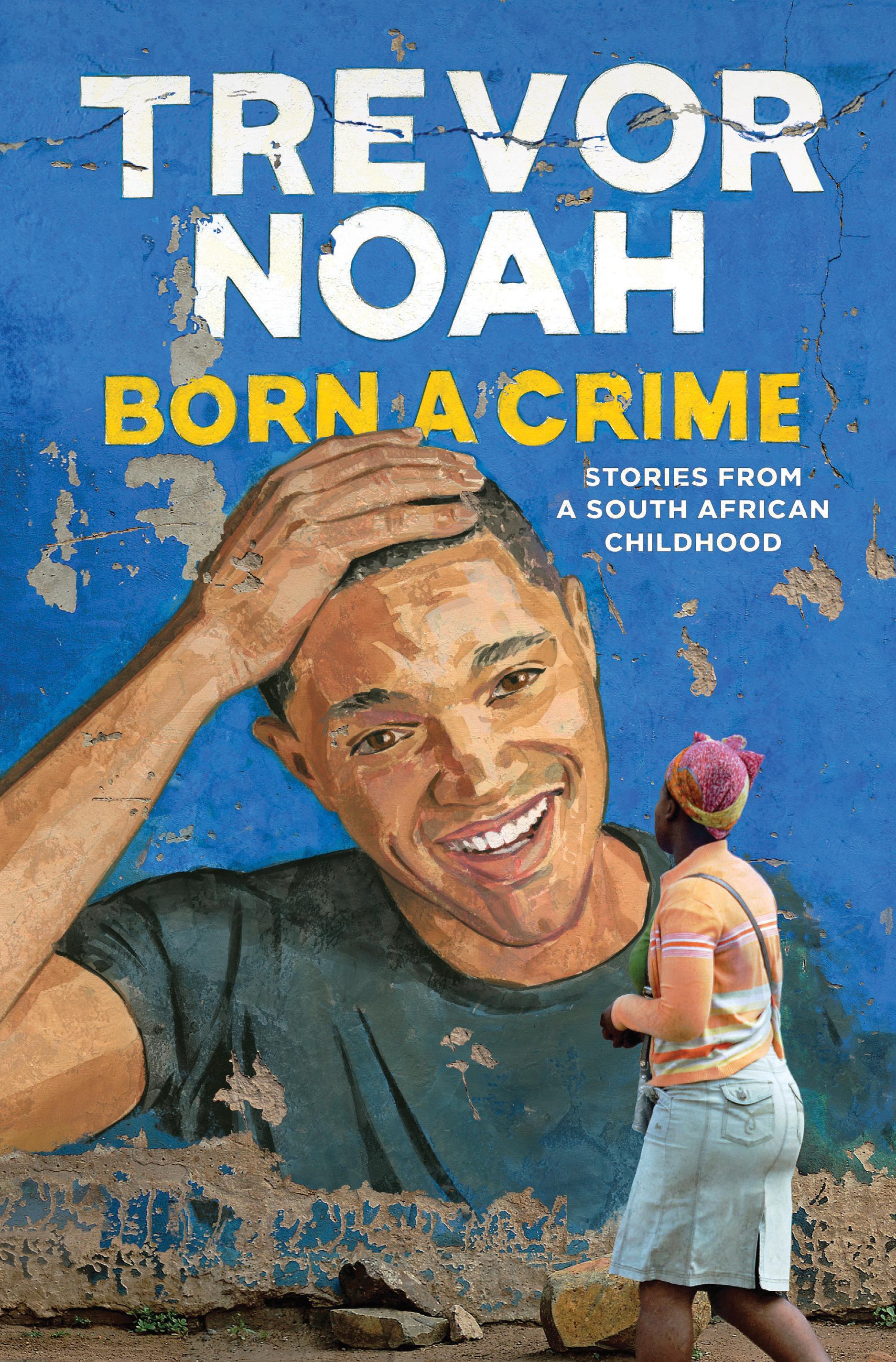
Born a Crime: Stories from a South African Childhood by Trevor Noah follows the comedian’s life growing up under apartheid and beyond.
From the start, Noah explains how his very existence broke the law. His mother, a black Xhosa woman, and his father, a white Swiss man, conceived him during apartheid. Mixed-race children couldn’t legally exist. He grew up with a foot in many worlds yet struggled to truly fit in any.
Noah spent his earliest years in Soweto, a sprawling township near Johannesburg. His mother, Patricia, insisted on giving him a broad education. She taught him English first, believing it would open doors. He learned Zulu, Tsonga, and Afrikaans soon after, using languages as tools to navigate different communities.
Meanwhile, apartheid laws kept black families poor and crowded in townships. Trevored witnessed violence, corruption, and police brutality. Yet Patricia shielded him from despair through laughter and faith. She’d crack jokes before dawn, turning even a dangerous walk into a game.
Religion played a big role in their lives. They moved from church to church on Sundays, sometimes twice in one day. His stepfather, Abel, was deeply involved in the Pentecostal community. Patricia tolerated his strict beliefs but resisted his abuse fiercely, sparking tension at home.
Patricia also had a knack for business. She sold clothes from a market stall, hawked CD rips in school corridors, and saved every rand. Trevor learned early how to hustle. He sold pirated CDs from the trunk of her car, making enough to buy sneakers or snacks for his friends.
School was its own battlefield. Noah wasn’t the smartest kid in class, but he mastered humor and languages to win friends. He discovered he could diffuse tension by making people laugh. That talent would later power his career. At home, though, Abel’s jealousy grew.
Patricia endured Abel’s violence rather than abandon her son to live without either parent. One night, Abel attacked her so severely that Trevor called the police. He tucked his mother into the backseat, then dialed 911 himself. It was a turning point—Abel went to prison, and Patricia regained hope.
After the attack, they moved to a better neighborhood. Trevor made new friends and attended private schools. He leaned into his mixed heritage to slip between black, white, and coloured communities. Humor became his passport. At fourteen, he started performing stand-up at tiny clubs.
By now, apartheid had ended but economic injustice persisted. Noah’s family still faced prejudice and scarcity. Patricia, however, refused to complain. She raised him to value dignity and to stand up for what’s right. She taught him that life’s hardest blows could be met with humor.
In one story, Trevor sneaks into a local discount store late at night. He and a friend ride in laundry baskets to avoid guards. The heist ends in chaos, but on the way home, Trevor cracks jokes to mask his fear. That instinct to laugh under pressure became his lifeline.
Patricia’s lessons about speaking up stuck, too. Noah recalls arguing with teachers and strangers who insulted his mother’s character. He learned early not to back down. His confidence grew, feeding his comedic voice.
After finishing high school, Noah juggled auditions, odd jobs, and club dates. He moved from Johannesburg to Cape Town, winning small competitions. He wrote jokes in notebooks, then on napkins. His style blended sharp social critique with self-deprecating wit.
Eventually, Trevor landed roles on South African radio and television. He hosted popular shows and used his platform to highlight racial and economic divides. His global break came in 2015 when Jon Stewart tapped him for The Daily Show in New York.
Throughout the book, Noah circles back to his relationship with Patricia. She remains his moral compass. He credits her for teaching him to fight injustice with words instead of weapons. He calls her “the most influential person” in his life.
Born a Crime isn’t just a memoir. It’s a love letter to a mother whose sacrifices raised a boy who could cross every line drawn by race. It shows how language, laughter, and courage can break barriers. In the end, Trevor emerged from a childhood defined by segregation and violence with a clear message: that joy, like a good joke, can survive even the darkest times.
Detailed Summary
Key Takeaways
1. Defying Apartheid’s Rigid Codes
“I was born a crime.”
Birth Across the Color Line: Trevor Noah’s very existence defied South Africa’s apartheid laws. Under those rules, a black mother raising a mixed-race child broke the state’s rigid segregation. From day one, his mother Paula treated him like a cherished son, despite the constant danger.
This opening insight sets the tone for the memoir. Noah explains how his mixed heritage shaped his early years. He blended into neither white nor black communities. He learned early to navigate two worlds that apartheid insisted remain separate.
Human Cost of Segregation: In real life, apartheid tore families apart and criminalized love across racial lines. Children like Trevor lived in fear of discovery. His mother faced police raids and social ostracism—yet she persisted.
Noah’s story puts a face on abstract laws. It shows how a single statute dehumanized millions. By sharing his personal ordeal, he underscores apartheid’s brutal reach into everyday life.
Key points:
- Mixed-race birth violated apartheid laws
- Mother risked imprisonment to raise him
- He lived “invisible” to avoid detection
- Grew up crossing racial boundaries
- Early lessons in adaptability
2. A Mother’s Fierce Love
“My mom would tell me, ‘You must be able to walk into any situation and speak your mind.’”
Formative Parental Guidance: Paula Noah emerges as a bold force throughout the book. She taught Trevor resilience and self-worth in a society that saw him as an offense. She insisted on his education and independence.
Shaping a Comedian’s Voice: Her example became his compass. He learned to question authority and find humor even in bleak circumstances. This foundation evolved into his sharp social commentary.
Across cultures, parental influence shapes identity. Trevor’s story reminds us how one person’s courage can ripple through generations.
Key points:
- Mom insisted on education
- Taught him to challenge injustice
- Modeled fearless self-expression
- Instilled empathy for others
- Became subject of his comedic voice
3. Language as Survival Tool
“Language, even more than color, defines who you are to people.”
Power of Tongues: Noah grew up speaking English, Xhosa, Zulu, and more. Each language unlocked a different social circle. He learned that the right phrase at the right moment could open doors or defuse conflict.
In a deeply divided nation, language functioned as a bridge. Noah’s facility with words gave him access to varied communities.
Cultural Navigation: Beyond South Africa, multilingualism proves invaluable in globalized contexts. Noah’s story shows how language fosters empathy and adaptability.
For readers, it suggests learning another tongue isn’t just academic. It grants insight into alternate worldviews and builds connection.
Key points:
- Spoke multiple local and colonial languages
- Used humor to translate between groups
- Built relationships across divides
- Saw language as identity marker
- Turned words into comedic currency
4. Comedy Born from Pain
“Laughter is the vehicle that makes a bitter truth palatable.”
Humor as Shield: Trevor turned hardship into material. He faced poverty, domestic violence, and systemic racism. Instead of succumbing to bitterness, he excavated absurdity.
Comedy became his coping mechanism. It let him process trauma and invite others to witness painful realities without collapsing under their weight.
Social Commentary through Jest: Stand-up comedy sharpens society’s contradictions. Noah uses stories of his youth to spotlight injustice with a laugh. This approach softens defensiveness and spurs reflection.
His journey underscores how art transforms suffering into shared insight. It shows that humor can heal communities fractured by history.
Key points:
- Chose comedy over resentment
- Used personal anecdotes on stage
- Built global audience through authenticity
- Shone light on social injustices
- Proved laughter fosters dialogue
5. Mother’s Cycle of Abuse and Hope
“Domestic violence is so normal in South Africa... it’s the water we swim in.”
Darkness Behind Joy: Noah recounts his stepfather Abel’s brutal beatings of his mother. He captures the tension between love and terror in their household.
This chapter doesn’t romanticize struggle. It exposes the raw reality many endure and highlights Paula’s refusal to stay silent.
Breaking Silence: By sharing this painful truth, Noah challenges cultural taboos around domestic violence. His honesty encourages survivors to seek help.
The memoir demonstrates how personal narrative can drive social change. It invites readers to confront and combat abuse in their own spheres.
Key points:
- Describes stepfather’s violence
- Illustrates intergenerational trauma
- Shows mother’s resilience
- Highlights societal denial
- Advocates speaking out
6. Hope Amidst Adversity
“Even as a little kid, I knew the only time I’d be safe was if I made people laugh.”
Optimism in Hardship: Despite chaos, young Trevor held onto dreams. He believed in a future beyond township life. Humor and curiosity fueled his ambition.
This attitude reflects a universal yearning. In hostile environments, hope becomes an act of resistance.
Resilience and Aspiration: Noah’s climb from township radio to global stages exemplifies upward mobility against odds. His path inspires others in marginalized communities.
It also underscores the role mentors, safe spaces, and creative outlets play in unlocking potential.
Key points:
- Maintained humor despite danger
- Saw comedy as refuge
- Dreamed of wider world
- Pursued opportunities relentlessly
- Modeled resilience for readers
Future Outlook
Trevor Noah’s memoir resonates far beyond his personal story. It invites readers to examine how laws and customs shape identity. In a world still wrestling with racial divides, "Born a Crime" offers a blueprint for empathy through storytelling.
Looking ahead, educators and activists can draw on Noah’s experiences. They underscore the power of narrative to dismantle prejudice. Programs that integrate firsthand accounts into curricula may cultivate deeper understanding among youth.
Moreover, the book hints at comedy’s evolving role in public discourse. As digital platforms expand, voices like Noah’s can bridge gaps between tribes. His path suggests that humor—grounded in truth—will remain a potent force for social change.