Summary
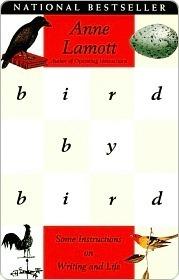
Anne Lamott’s Bird by Bird offers both a writer’s handbook and a guide to living, drawn from the author’s own triumphs and defeats at the page. She begins by recounting a moment when her brother faced a school report so late he cried. Their father told him to take it “bird by bird”—focus on one small piece at a time. That anecdote becomes the heart of her central message: tackle writing in manageable increments, and resist the urge to solve everything at once.
Lamott next turns to the process of getting started, stressing the value of the “shitty first draft.” She assures you that every honest draft feels clumsy and unfinished. You give yourself permission to write garbage, she explains, so you can find your story, your voice, and your clarity. By admitting imperfection early on, you free yourself to experiment and discover surprising connections.
Perfectionism, Lamott warns, will choke your creativity. She likens it to a controlling guard who locks you out of your own words. To counter it, she suggests setting low stakes for daily writing. Give yourself two minutes, two lines, or two paragraphs. Often this small act leads to more. The goal isn’t polished prose at first. It’s momentum.
Next, Lamott examines plot and character, emphasizing how fiction and nonfiction overlap. She says real life provides endless material, though you must shape it into dramatic arc. You find truth in small details—gestures, accents, smells—that reveal larger themes. Paying attention to nuance lets your characters come alive, whether on the page or in memory.
Dialogue earns a full chapter. Lamott encourages you to eavesdrop on real conversations. Jot down bits of speech, turns of phrase, and silences. In her view, authentic dialogue needs rhythm more than accuracy. It must sound like life, even if you compress, cut or heighten what really happened to make the scene sing.
Lamott also writes on the writer’s inner critic—what she calls the “censor.” That voice will judge, compare, or panic. She does not recommend battling it head-on. Instead, she invites you to offer it a seat at the table, to listen but keep writing anyway. Over time, you learn to ignore the critic’s bleakest forecasts.
In a more personal vein, she describes writing about family, memory, grief, and love. She explores how telling true stories can feel raw and vulnerable. Yet those honest moments can heal both writer and reader. Lamott admits she often writes her way through heartbreak, discovering meaning afterward.
Bird by Bird also covers practical matters: finding an agent, working with editors, and dealing with rejection. Lamott recounts her own bad letters and awkward meetings. She stresses that you grow with each setback. Editors reshape you, but you still own your words. The publishing world can be brutal, but persistence wins.
She returns to voice, urging writers to cultivate a unique tone. She suggests reading widely, across genres, to absorb different styles. Then you must filter influences, keeping what resonates and discarding the rest. Your voice emerges when you stop imitating others and trust your instincts.
Lamott encourages creating a writing community. She calls it a ‘writing barn,’ a place of mutual support. In groups, you share work, give feedback, and witness each other’s struggles. That solidarity reminds you that you’re not alone—and that writing remains a human art.
Later chapters address the writer’s fears: getting stuck, losing momentum, or doubting your worth. Lamott offers exercises—freewriting prompts, letter exchanges, timed sessions—to reignite stalled projects. Sometimes a brisk walk or a nap will shift your perspective. She insists that time, patience, and curiosity always help.
Toward the end, Lamott contemplates success and failure. She wants you to define success on your own terms. It may come from finishing a chapter or touching a single reader. Fame and fortune, she reminds you, can’t sustain a career. Only love of the work endures.
Finally, she circles back to “bird by bird.” Writing and life often overwhelm us with choices, demands, and disasters. By taking one small step at a time, you move forward. Lamott’s own journey, woven through every chapter, shows that progress arises from patience, practice, and a sense of humor.
In the last lines, she reminds you that writing offers a path to connection. When you share your story, you open a door for others to share theirs. That reciprocal honesty, above all, makes writing worth the struggle. And so she hands you the metaphorical binoculars—one bird at a time—so you can embark on your own creative flight.
Detailed Summary
Key Takeaways
1. Start Small: Take It Bird by Bird
“Just take it bird by bird, buddy.”
Micro–Writing Assignments: Lamott urges writers to break daunting projects into tiny, manageable parts. Faced with a book, essay, or even a single page, she suggests narrowing the task to a few sentences or a scene. This micro–approach helps tame the blank page and makes progress feel achievable rather than overwhelming.
By focusing on small segments, you bypass the paralysis that perfectionism breeds. You begin to write without pressure, get words on the page, and build momentum. Lamott compares it to bird watching: you concentrate on one bird at a time rather than trying to map the entire sky all at once.
Conquering Writer’s Block: Writers often freeze when staring at a blank page. This method dissolves fear by redefining success. You measure accomplishment not by a finished novel but by the completion of a single paragraph or scene. Over time, these small victories stack into substantial progress.
Educators and coaches have adopted Lamott’s approach to help students and authors overcome procrastination. By teaching micro–tasks, they foster consistent writing habits. Beyond writing, this strategy applies to any large, anxiety–inducing project, from research papers to business plans.
Key points:
- Break large projects into tiny, doable pieces
- Focus on one section or paragraph at a time
- Reduce anxiety by redefining success as small wins
- Build momentum through micro–tasks
- Apply method across creative and professional projects
2. Embrace the Shitty First Draft
“Almost all good writing begins with terrible first efforts.”
Permission to Write Poorly: Lamott insists you must give yourself full permission to produce awful first drafts. She calls it “shitty first draft” to highlight that at this stage nothing has to be perfect. The goal is to spill thoughts onto the page without self–censorship.
This radical honesty clears a path for genuine ideas. By allowing mistakes, you remove the internal critic that stifles creativity. Only then can you revise, tighten, and polish the raw material into something compelling.
Fostering Creative Freedom: When writers accept messy drafts, they free themselves from the pressure to be flawless on the first try. This mindset shift boosts confidence and encourages experimentation. You’re more willing to take risks with voice, structure, and style.
Creative writing workshops often cite Lamott’s advice when teaching revision techniques. They remind students that editing lives in later drafts. First drafts are about discovery. This principle extends to any creative field—designers, musicians, and artists all benefit when they let go of perfectionism in early stages.
Key points:
- Allow yourself to write badly at first
- Separate drafting from editing
- Silence the inner critic
- Encourage experimentation
- Recognize discovery happens in revision
3. Battle Perfectionism
“Perfectionism is the voice of the oppressor.”
Perfectionism’s Pitfalls: Lamott portrays perfectionism as a tyrant that paralyzes good writers. It raises unrealistic standards, making every sentence feel life–or–death. You stall, revise ad infinitum, and never share your work. Instead, she recommends recognizing perfectionism as an internal bully.
By labeling this voice and distancing from it, you reclaim creative control. You learn to distinguish between striving for excellence and chasing an impossible ideal. That shift allows you to finish projects and publish work rather than endlessly polishing.
Liberating the Creative Self: Perfectionism thrives on fear—fear of judgment, failure, or inadequacy. Lamott’s tactics, such as naming the critic and writing a letter to it, help writers see it as separate from themselves. In practice, this approach reduces anxiety and accelerates output.
In publishing, many manuscripts languish because authors chase unattainable standards. Workshops that integrate Lamott’s perspectives report higher completion rates and more willingness to share work. This lesson holds for any field where fear of imperfection stalls progress.
Key points:
- Identify and name your inner critic
- Distinguish excellence from perfection
- Write past fear rather than freeze
- Finish projects before over–polishing
- Share work despite imperfections
4. Write with Honesty and Compassion
“The more honest I am about my failures, the more the story unfolds.”
Truth in Storytelling: Lamott highlights honesty as the writer’s greatest asset. She argues transparent portrayal of flaws—yours and your characters’—creates emotional resonance. Readers connect deeply when they sense authenticity rather than artifice.
She also stresses compassion. Writers should approach subjects with empathy, even when exposing dark themes. This balance—raw honesty tempered by kindness—yields stories that enlighten rather than exploit.
Building Reader Trust: When writers share genuine struggles, they invite readers into a space of vulnerability and mutual understanding. This creates trust and loyalty. Memoirists and novelists alike use vulnerability to forge powerful bonds between text and audience.
In social discourse, honest narratives influence empathy and social change. Writers who adopt Lamott’s approach often contribute to movements around mental health, identity, and injustice. Their candid stories spark conversations that lead to wider awareness and reform.
Key points:
- Portray flaws transparently
- Balance truth with empathy
- Foster reader–writer trust
- Use vulnerability to deepen impact
- Inform social dialogue through honest narratives
5. Cultivate a Writing Community
“You need three things in a writing group: love, love, and more love.”
Support Networks: Lamott advises finding or forming a writing group that offers honest feedback along with encouragement. Weekly meetings, peer critiques, and shared deadlines establish accountability. Writers learn they’re not alone in struggles and that collective wisdom improves their work.
Such communities help combat isolation and imposter syndrome. They provide a safe space to test ideas, receive critique, and celebrate milestones. The balanced mix of support and challenge accelerates growth.
Sustaining Long–Term Practice: Writing often feels lonely, and many give up without external reinforcement. Groups supply motivation when enthusiasm wanes. Members push each other to meet goals and celebrate breakthroughs together.
Workshops modeled on Lamott’s principles emphasize kindness alongside critique. This approach influences writing programs globally. Beyond writing, peer–support groups in business, research, and education use similar structures to foster progress and resilience.
Key points:
- Join or start a supportive critique group
- Balance honest feedback with encouragement
- Use regular meetings for accountability
- Share milestones and setbacks openly
- Leverage collective wisdom to grow
6. Embrace Life as a Writer
“Writing and life can’t be separated.”
Writing as Life Practice: Lamott argues writing isn’t an isolated craft but a way of engaging with the world. Observing daily moments—conversations, nature, travel—fuels your creativity. She encourages treating life itself as source material and practice ground.
She also frames writing as spiritual exercise. The discipline of sitting down every day, confronting your mind’s voice, and reshaping experiences mirrors meditation or prayer. This union of life and craft enriches both.
Holistic Creativity: When writers live attentively, their work gains depth and freshness. They notice details others miss and translate them into vivid prose. This mindful approach resonates with readers seeking authenticity.
Many creative professionals now advocate integrating creative practice into daily life. Designers, entrepreneurs, and educators draw on Lamott’s insights to foster observation skills and reflective routines. This holistic mindset improves innovation and personal fulfillment.
Key points:
- View everyday life as source material
- Practice writing as a daily ritual
- Cultivate mindfulness to enhance creativity
- Blend personal growth with craft
- Deepen work through life experiences
Future Outlook
Anne Lamott’s blend of practical tips and soulful wisdom continues to shape writing pedagogy and creative habits worldwide. Her emphasis on small steps and honest first drafts encourages a new generation of writers to begin despite fear. As digital distractions multiply, her micro–assignments offer a clear antidote: focus on one sentence or scene at a time.
In publishing, editors and coaches increasingly champion Lamott’s methods to mentor emerging voices. Writing software and apps now include prompts and timers that reflect her bird–by–bird philosophy. These tools guide users through targeted exercises, echoing her tactic of micro–tasks.
Beyond writing, Lamott’s principles resonate with anyone striving to tackle big goals. Entrepreneurs, artists, and students adopt her strategies to break down complex projects into achievable steps. Her lasting legacy lies in empowering people to start imperfectly, revise compassionately, and persist patiently.