SUMMARY
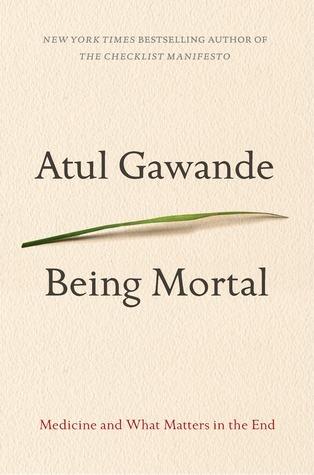
Being Mortal by Atul Gawande explores how medicine handles aging and death, and how those practices shape our final days. Gawande, a surgeon, draws on personal stories and research to argue that medical culture often focuses on prolonging life at the cost of quality and dignity. He urges doctors and families to embrace conversations about what matters most when life nears its end.
Gawande begins by examining how modern medicine transformed once-fatal illnesses into chronic conditions. He shows how doctors pride themselves on technical skill—repairing broken hips or managing cancer—yet hesitate when facing frailty and decline. As we push biology’s limits, we gain more years but often lose independence and control in old age.
He visits nursing homes and assisted living facilities, finding that institutions emphasize safety over autonomy. Patients sit idle in common rooms, watched over by staff who strive to prevent falls or accidents. Yet many residents feel disengaged and powerless. Gawande notes that safety without meaning can feel like a slow death.
Next, he tracks the rise of assisted living as an alternative. These communities aim to support self-reliance by offering private rooms and flexible routines. Residents cook meals, plan activities, and maintain friendships. Gawande praises the model yet admits it works best for those with enough money and good health, leaving the frail still facing nursing homes.
He turns to hospice care as a model for respecting patients’ wishes. Hospice teams focus on pain relief, emotional support, and enabling patients to live well in their final months. Families report greater satisfaction and fewer invasive interventions. Gawande highlights stories where hospice allowed people to die at home, surrounded by loved ones, on their own terms.
Gawande then critiques the medical profession’s training. Doctors learn to treat disease, not to discuss end-of-life choices. Young physicians feel unprepared for conversations about death and often avoid them. He urges medical education to include communication skills that honor patient goals and values.
A central chapter follows three men with advanced prostate cancer. One opts for aggressive treatment, enduring side effects that erode his quality of life. Another chooses comfort care, focusing on travel and family time despite a shorter prognosis. The third switches back and forth, torn by hope and fear. Their stories show how personal values guide decisions more than clinical data.
Gawande explores the tension between a doctor’s duty to save lives and a patient’s right to decline treatment. He describes family meetings where frank talk helps align care plans with patient values. Though uncomfortable, these discussions often lift anxiety and foster trust. Doctors who listen and ask open questions help patients articulate what they truly want.
He shares his own family’s experience when his father developed a brain tumor. Gawande watched his father lose control over daily tasks and dignity. As a surgeon, he struggled to decide whether to pursue risky surgery. In the process, he learned firsthand the importance of balancing hope with realism and of open communication within a family.
Building on these narratives, Gawande argues for a shift in medicine toward “patient-centered” care—one that defines success by the patient’s priorities rather than by disease markers alone. He promotes creating care plans that answer “what matters most?” This question leads to treatments that enhance daily life even if they don’t cure illness.
He also examines institutional barriers. Reimbursement systems reward procedures over conversations. Hospitals earn more when they perform surgeries rather than hold family conferences. Gawande calls for policy changes to incentivize time spent on discussion, planning, and symptom relief.
In the final chapters, Gawande presents emerging models of care. Geriatric ward programs that allow bedside choices improve patient mood and reduce complications. Home-based primary care teams travel to frail elders, preventing emergency room visits and hospital stays. Such innovations show that respecting autonomy can enhance safety and well-being.
He emphasizes that aging and dying are natural processes. Medicine should aim to preserve autonomy, relieve suffering, and honor the person’s values. Rather than wage war on death at all costs, doctors can guide patients to find purpose even in decline—through small joys, relationships, and dignity.
Gawande concludes by urging society to redefine success in end-of-life care. He believes families, doctors, and policymakers must work together to design systems that allow people to live well until they die. By focusing on what matters most, we can confront mortality with honesty, compassion, and respect.
Being Mortal challenges readers to rethink the goals of medicine at life’s end. Through vivid stories and thoughtful analysis, Gawande shows that embracing vulnerability, conversation, and choice can lead to better final chapters. He leaves us with a message: it matters how we live out our last days just as much as how long we live.
DETAILED SUMMARY
Key Takeaways
1. Choice and Autonomy in Aging
“Our ultimate goal, after all, is not a good death but a good life to the very end.”
Valuing Individual Agency: Gawande emphasizes that aging shouldn’t strip people of their power to choose. He argues that the system often makes decisions for elders, as if they lack the ability to understand their own needs. Instead, he insists on honoring each person’s wishes and preserving autonomy.
He shows that autonomy isn’t a luxury. It’s central to dignity and well-being. When doctors, families, and facilities listen to what matters most to individuals, they can tailor care that supports real happiness and meaning in the years remaining.
Shifting Decision Frameworks: Respecting autonomy forces changes in medical practice. Physicians must move beyond default treatments and ask what patients truly value. This conversation reshapes goals from mere life extension to quality of life.
On a societal level, honoring autonomy challenges nursing home regulations and hospital protocols. It pushes policymakers to create spaces where elders can make everyday choices—from meal plans to activities—rather than live by rigid schedules. This realignment can improve satisfaction, reduce depression, and, as Gawande shows, even cut costs by avoiding unwanted interventions.
Key points:
- Treat elders as decision-makers, not passive recipients
- Shift from disease-centered care to person-centered goals
- Train medical staff in listening and shared decision-making
- Redesign facilities for individual routines and choices
2. Medicine’s Limits
“Medicine has triumphed in modern times, transforming death from a final episode into a prolonged ordeal.”
Recognizing Therapeutic Boundaries: Gawande shows how modern medicine often extends life at the cost of comfort and purpose. He recounts cases where aggressive treatment leaves patients bedridden, isolated, and without clear benefit. The pursuit of prolongation can blind us to serious harms such as pain, loss of mobility, and emotional distress.
By drawing on patient stories, he illustrates that medicine excels at curing disease but struggles with aging and frailty. Those challenges demand different tools: careful conversation, judicious restraint, and comfort-focused care rather than the latest drug or procedure.
Rebalancing Goals of Care: Accepting medicine’s bounds reshapes clinical guidelines. Doctors learn when to shift from curative intent to palliative focus. This transition can ease symptom burden and improve patient experiences.
On a broader scale, it influences reimbursement models. As health systems adopt value-based care, they reward quality of life and patient satisfaction instead of volume of interventions. That economic shift encourages hospitals and nursing homes to invest in palliative teams and staff training for end-of-life conversations.
Key points:
- Distinguish between life-saving and life-enhancing treatments
- Emphasize comfort care when prognosis is poor
- Train providers in palliative care principles
- Align insurance incentives with patient-centered outcomes
3. Designing Competent Care
“People need a medical practice built around their goals, not around the system’s convenience.”
Creating Goal-Centered Practices: Gawande explores small innovations in nursing homes and clinics that focus on personal goals. He highlights models where doctors see patients at home or in special environments designed for the elderly. These approaches reduce hospital readmissions and boost morale.
He underscores that competent care isn’t only technical. It involves staff who know patients’ histories, preferences, and fears. That familiarity allows caregivers to preempt emergencies and deliver comfort promptly when crises arise.
Impact on Health Outcomes: Facilities that adopt goal-centered care report lower rates of infection and falls. They also see fewer aggressive interventions at the end of life, which patients often regret.
In policy terms, these models offer proof that redesigning care pathways can cut costs by 20–30%. Payers and regulators are now piloting home-based primary care and special eldercare units to replicate these successes.
Key points:
- Organize teams around patient life goals
- Use home visits and alternative settings
- Maintain staff continuity for deeper connections
- Monitor outcomes to guide best-practice design
4. Family’s Role in Aging
“The essential thing is not knowing precisely what is wrong but understanding what matters to people.”
Engaging Loved Ones: Gawande stresses that families often know what brings joy or distress to elders. He encourages providers to solicit that insight early. Families can highlight non-medical wishes—like a desire to stay in one’s home or to celebrate milestones quietly.
This engagement requires time and trust. Gawande tells of relatives who felt left out of decisions. By contrast, when clinicians listen and involve them, the care plan is more realistic and compassionate.
Strengthening Support Systems: Active family involvement lowers feelings of isolation and abandonment among patients. It also reduces caregiver burnout when responsibilities are shared with professionals who respect the family’s input.
Policy initiatives now promote caregiver training and respite services. They recognize that a coordinated support network yields better patient outcomes and eases pressure on healthcare institutions.
Key points:
- Conduct family meetings early and regularly
- Document non-medical preferences
- Provide caregiver education and support
- Build tools to share updates among providers and kin
5. Transforming End-of-Life Conversations
“We have failed to ask the simple question: What do you want when you cannot speak for yourself?”
Asking the Right Questions: Gawande shows that standard advance directives often miss what people truly care about. Instead, he proposes open-ended discussions that explore daily routines, fears, and what gives life meaning. He recounts a man who valued reading his newspaper every morning more than any chance of extended survival.
These meaningful questions reveal thresholds beyond which patients prefer comfort over treatment. Gawande’s approach helps families and doctors craft plans that align with core values, reducing unwanted hospitalizations and procedures.
Redefining Advance Care Planning: Adopting this conversational style transforms advance directives into living documents. They reflect changing circumstances and preferences. Studies show patients with values-based plans receive care that matches their wishes 90% of the time, compared to under 50% with standard forms.
Health systems are training staff in this method. They use decision aids and structured guides, leading to greater patient satisfaction and fewer futile interventions. Legislators are also updating laws to support these narrative-driven plans.
Key points:
- Use open questions about daily life and fears
- Make directives flexible and revisable
- Train clinicians in empathetic communication
- Integrate values into actionable care orders
6. Rethinking Elder Care Facilities
“We have designed these places for the convenience of workers rather than for the people they serve.”
Humanizing Institutions: Gawande critiques traditional nursing homes built like hospitals. He visits innovative facilities that mimic household environments, with shared kitchens and small resident groups. These “Green Houses” give people freedom—like setting their own schedules and preparing meals together.
He shows that environment directly affects well-being. Residents report more social interaction, better mood, and a sense of belonging when their living space aligns with home life rather than institutional routines.
Scaling Compassionate Designs: Data from these small homes indicate lower hospitalization and improved mental health. Staff turnover also drops, as caregivers build stronger bonds with residents in a home-like atmosphere.
Policy makers and developers are taking note. New regulations in several states now permit smaller scale units. Grants support retrofitting existing facilities. The movement signals a shift toward person-centered architecture in elder care.
Key points:
- Adopt small, household-style groupings
- Allow residents to set daily routines
- Foster communal activities like cooking
- Measure social and health outcomes to guide design
Future Outlook
Gawande’s insights pave the way for a reimagined eldercare landscape. Health systems will likely expand home-based primary care programs. They may integrate palliative principles from the start, ensuring comfort and autonomy guide treatment decisions.
Medical schools can incorporate these lessons by teaching students to ask what matters most. They’ll learn to balance technical skill with compassion and communication. That cultural shift could permeate all levels of care, from ICU units to community clinics.
On the policy front, reimbursement reforms and building codes may evolve to support small-scale living arrangements. Families and caregivers will gain stronger roles, backed by training and legal frameworks. Ultimately, the future of aging could become more humane, purpose-driven, and aligned with individual values.