
Summary
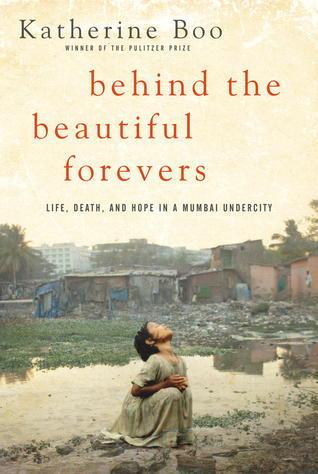
Behind the Beautiful Forevers by Katherine Boo explores life in Annawadi, a makeshift settlement near Mumbai’s international airport. The book opens with the narrow alleys and corrugated shacks where residents dream of better days. They survive by collecting and selling scraps, hawking water bottles, or waiting for charity. Yet hope runs as deep as the monsoon drains that snake beneath their feet.
Abdul, a thin teenager with bright eyes, sorts through trash bins in the predawn gloom. He hopes to save enough money to attend school and escape the stench of decay. Meanwhile Asha, a sharp-tongued woman in her forties, vies to become the slum’s first elected councilor. Her greasy fingers clutch bribes and favors, fueling both loyalty and suspicion.
Fatima, Asha’s widowed daughter, makes ends meet by begging at the airport gate. She holds a frail infant on her hip and prays for enough coins to buy milk. Her dreams are tattered by local gossip and the heat that suffocates her nights. She wonders if her child will ever know real security.
Asha grooms her eldest daughter, Manju, pushing her toward education and upward mobility. Manju studies by the dim glow of a single bulb, determined to outshine the fate of her neighbors. Asha keeps one eye on local politicians and the other on the city’s wealthy benefactors, hoping to turn their charity into votes.
A sudden fire rips through Annawadi’s allotted sector, fueled by a pile of plastic refuse. Flames leap from shack to shack, forcing families into the rain of ashes. Night watchmen scramble to save what little they own. In the end, they stare at blackened beams and scorched memories.
The government moves in to inspect property and assign blame. Accusations fly. Abdul falls under suspicion when an official’s daughter is injured, though he was nowhere near the blaze. A crooked policeman ropes him into a lineup, and Abdul’s fear morphs into anger as his name echoes through the station.
Asha seizes the chaos. She bribes the inspector to clear her own skirts and pins the fire on a rival family. She rattles off names, each promise of a payoff tighter than the last. The slum hums with rumors of betrayal, and loyalty splinters like an old plank.
Manju watches her mother’s maneuvering with quiet dread. She feels the world close in whenever Asha haggles with clerks or waving strangers. She knows how easily a slip of a tongue can brand a child for life.
Meanwhile Abdul’s trial looms. He sits in a narrow cell, fingers tapping the cold bars, heartbeat pounding like the monsoon drums. He recites the names of his neighbors, but none step forward to vouch for him. They worry that siding with him will invite retaliation.
Outside the courthouse, media crews jostle for shots of the lean figure in striped clothes. Cameras flash as Abdul emerges, handcuffed and blinking in the sun. His mother wails in the crowd, convinced her son won’t survive the ordeal.
Inside, the magistrate turns through the file with a bored expression. Witnesses contradict one another, and the case collapses under its own weight. Abdul walks free, but he carries the headlines and the stigma like an open wound.
Annawadi’s life resumes in fits and starts. Asha tastes victory in local politics but sees her power slip when higher-ups demand a new ally. She bargains again, even as Fatima slips further into despair and alcoholism.
Manju graduates high school against all odds, her future distant but bright. She tests for college, clutching dreams as fragile as paper boats in floodwater. She remembers Abdul’s hollow smile and wonders if he’ll rebuild his life too.
Fatima wanders the alleyways at dawn, her baby now toddling between discarded cartons. She prays silently for a stable home, aware that charity never lasts beyond the sunset. Her strength flickers and wanes.
Abdul returns to sorting refuse, stooping with careful precision. His spirit feels both heavier and lighter. He refuses to let fear claim another day. In small triumphs—the right word to a foreign tourist, the sale of a rare can—he tastes freedom.
At the edge of Annawadi, the city’s gleaming towers mock the slum’s resilience and struggle. Yet hope persists in every scrap of plastic and in every turned-down examination paper. The beautiful and the broken share this narrow valley side by side, waiting for the monsoon to break or the sun to rise again.
Detailed Summary
Key Takeaways
1. Globalization’s Uneven Reach
“Globalization had touched every corner of Annawadi’s alleys yet left its people chasing scraps of its promise.”
Global Forces, Local Effects: Annawadi sits beside the gleaming Mumbai airport. Planes land overhead while on the ground families sort garbage for a living. The airport’s modern wealth contrasts sharply with the informal economy that Annawadi residents rely on.
Each rickshaw ride or sack of recyclable plastic ties residents to global supply chains. But they rarely see the full benefit. Instead, they feel the instability of markets shifting far beyond their control. This dynamic frames the everyday struggle the book explores.
Winners and Losers in a Connected World: As factories hire and fire by the thousand, slum dwellers bear the brunt of cost cutting. When global buyers shift orders, recycling prices dive. A handful of middlemen profit, but most residents lose ground.
Over time, this uneven reach erodes hope. Young people dream of stable jobs but face daily hustle. The book shows how macroeconomics become a matter of life and death in Annawadi’s narrow lanes.
Key points:
- Residents depend on airport run-off work
- Global market shifts trigger local crises
- Middlemen capture most recycling profits
- Families feel uncertainty daily
- Planes overhead symbolize distant wealth
2. The Fragile Informal Economy
“When you have no title, no deed, no record, you learn to trade in margins and goodwill.”
Informality as Strategy: Annawadi’s residents carve out a living in the city’s scraps. They sort, sell, and swap recyclables. They have no formal contracts or safety nets, yet they survive through networks of trust.
This informal economy demands flexibility. A woman might collect plastic one day, drive a pedicab the next, and borrow rice from neighbors that evening. It thrives on cooperation and constant negotiation.
Precarious Stability: Without formal recognition, workers face periodic crackdowns. Police raids can destroy cartloads of sorted goods. Seasonal rains wash away makeshift homes. Every shock disrupts this fragile system.
At the same time, residents develop resilience. They share tips on new waste streams. They rebuild after floods with help from friends. The book highlights how they balance risk and reward in a world without formal support.
Key points:
- Flexible, multi-role work patterns
- No formal contracts or welfare
- Vulnerable to raids and weather
- Community networks offer support
- Resilience born of constant uncertainty
3. Bureaucracy and Corruption
“A signed slip of paper could mean the difference between a home and the street.”
Officialdom as Obstacle: In Annawadi, government offices lurk far away. When residents seek birth certificates or ration cards, they enter a maze of fees and bribes. Officials demand under-the-table payments just to move a file.
This system shapes daily choices. A family might skip a child’s schooling to pay a fine. Or they may live in fear of arbitrary eviction orders. The bureaucracy weighs down even the smallest aspirations.
Trust Eroded: Corruption fuels cynicism. Neighbors suspect each other of paying officials for better spots or favors. When an eviction notice appears on a shack, families scramble to gather cash or plead for mercy.
At a deeper level, this dynamic keeps the poor in place. They can’t invest in improvements or challenge unfair orders. The book shows how bribery becomes a barrier to progress and justice.
Key points:
- Bribes for basic documents
- Eviction threats used as leverage
- Trust fractured by favoritism
- Officials profit from misery
- Red tape prevents upward mobility
4. Education and Aspiration
“She studied by lamplight, believing that a notebook could take her to a different world.”
Learning as Escape Route: Several children in Annawadi attend a nearby school despite daily distractions. They hope to break the cycle of poverty. Their parents scrape together a fee, uniforms, and pens, seeing education as a ticket out.
Studying in a cramped tenement under flickering lights, they memorize tables and verses. Each lesson fuels a larger dream—becoming an engineer, teacher, or office clerk in the distant towers of Mumbai’s financial district.
Tension Between Duty and Dreams: Many young scholars juggle tuition with work. They deliver tea, wash dishes, or fetch water before classes. If a sibling falls ill, they drop out to help support the family.
Yet education sparks community change. Literate women form self-help groups. Young graduates counsel others on government schemes. Over time, this new knowledge begins to reshape expectations and offers a blueprint for future progress.
Key points:
- School fees strain tight budgets
- Studying amid chores and noise
- Education seen as life-changer
- Graduates mentor neighbors
- Knowledge ignites small social shifts
5. Social Stratification Within the Slum
“Even within these makeshift walls, lines of caste and religion ran deeper than cement ever could.”
Layers of Inequality: Annawadi isn’t a monolith. Wealthier recyclers rent better shacks. Seasonal migrants live in the muddiest corners. Higher-caste families claim leadership roles in local committees.
These divisions shape everyday interactions. A Hindu family may hesitate to share water with a Muslim neighbor. A low-caste worker might earn lower rates for the same scrap. The slum reflects the wider social hierarchies of India.
Barriers to Solidarity: Prejudice limits collective action. Residents from different faiths sometimes avoid each other’s events. Women find it harder to unite across caste lines when seeking micro-loans.
Yet crises can override old divides. After a fire sweeps through the shacks, neighbors of every background pitch in. The book reveals how shared hardship can break down barriers—at least for a moment.
Key points:
- Caste distinctions shape roles
- Religious lines affect trust
- Resource access varies by status
- Collective efforts hampered by bias
- Disasters briefly unite neighbors
6. Resilience and Community Bonds
“When the monsoon tore down walls, neighbors rebuilt them together, brick by borrowed brick.”
Strength in Solidarity: Despite daily hardships, Annawadi brims with mutual aid. Women form collectives to buy rice in bulk. Waste pickers swap routes to optimize income. Children care for younger siblings so parents can work.
This interdependence goes beyond economics. Families celebrate festivals together. They share meals during Ramadan and Diwali. These rituals reinforce a sense of belonging amid uncertainty.
Hope Amid Hardship: Community bonds cushion shocks. When someone falls sick, neighbors cover medical expenses. After a building collapse, volunteers search for survivors in the rubble.
Over time, these acts of solidarity shape identity. Residents speak of Annawadi as home, not just a slum. The book shows how collective resilience becomes a source of dignity and hope.
Key points:
- Mutual-aid networks in crises
- Collective saving groups
- Shared festivals and meals
- Children care for households
- Solidarity fosters hope
Future Outlook
Behind the Beautiful Forevers casts a stark light on modern urban poverty. It challenges policymakers to look beyond statistics. The book urges planners to include slum voices when designing infrastructure and services. Only then can reforms gain real traction and respect local knowledge.
At an academic level, this narrative underscores the need for mixed-method research. Numbers alone miss the human texture of slum life. Ethnographic accounts like Boo’s push scholars to integrate qualitative insights with economic data.
On the ground, activists and NGOs can draw inspiration from Annawadi’s grassroots solidarities. Supporting local leaders and self-help groups may offer more sustainable change than top-down mandates. The future of urban development depends on blending technical solutions with community resilience.