SUMMARY
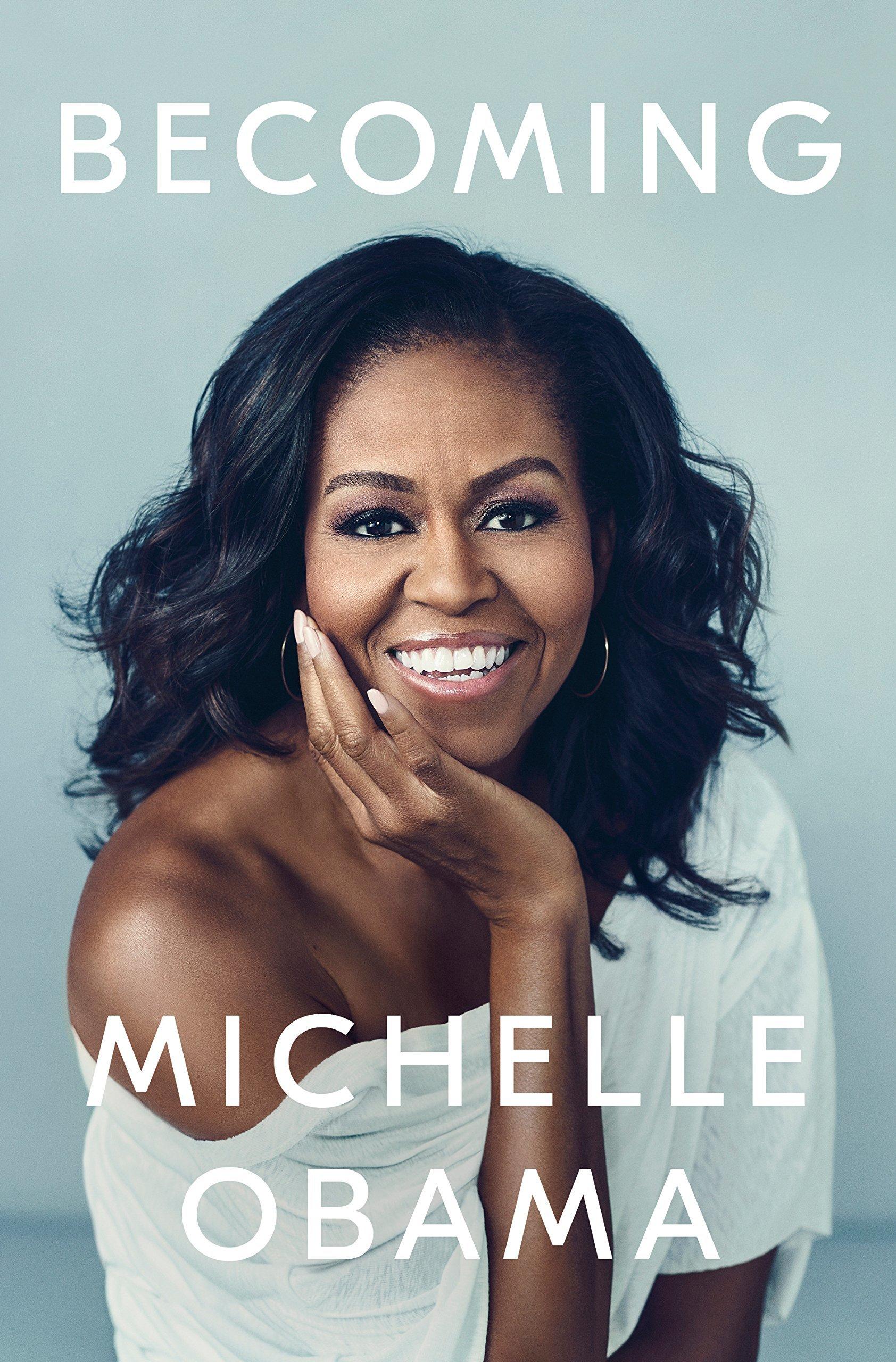
Michelle Obama’s memoir Becoming traces her journey from a childhood in Chicago’s South Side to her role as First Lady of the United States. She opens with memories of life in a modest brick house, where her parents—Marian and Fraser Robinson—worked hard to provide stability. They encouraged her curiosity, steering her toward good grades and big dreams. Early on, she learned to balance ambition and humility, a theme she revisits often.
She describes her school days at Bryn Mawr and Whitney Young High, where she first confronted the tension between fitting in and standing out. She made friends easily but wrestled with imposter syndrome when teachers praised her intellect. Determined to prove herself, she turned to science fairs and debate clubs. Those experiences laid a foundation of discipline and self-belief she’d rely on later.
Moving on to Princeton University, Michelle faced a new kind of scrutiny. As one of only a handful of Black students, she felt the weight of representation everywhere. Yet she found mentors who challenged her, peers who supported her, and a growing sense that she belonged. Late-night study sessions in cramped dorm rooms led to lifelong friendships and a budding political consciousness.
Harvard Law School brought fresh challenges. The pace felt relentless. She studied contract law one morning and interned at a Chicago law firm the next. Some professors questioned her place there, but she fought through doubts by focusing on service. She joined student groups, tutored underclassmen, and volunteered with community projects. Each step reinforced her commitment to using her talents beyond herself.
After graduation, she returned to Chicago and joined a corporate law firm. She describes the grind of billable hours and the toll it took on her spirit. Although she climbed the ranks, she felt a growing pull toward public service. That tug led her to the University of Chicago Hospital, where she launched initiatives to improve patient access and community health. It was here she realized she could blend her skills and her heart’s purpose.
Her career took another turn when she accepted a post as the city of Chicago’s Assistant Commissioner of Planning and Development. She spearheaded youth outreach programs and helped bring the 2016 Olympics bid to town. With each project, she honed her ability to unite stakeholders and drive real change. Along the way, she discovered how policy could reshape lives.
Amid her professional ascent, Michelle recounts meeting Barack Obama at a Chicago law firm. Their relationship grew quickly over shared values and mutual respect. They married in 1992, and soon welcomed daughters Sasha and Malia. She writes candidly about the balance—juggling courtroom meetings, legislative hearings, and soccer practices. She embraced motherhood with both joy and exhaustion, forging a path that married career and family.
Barack’s decision to run for the Illinois State Senate thrust the family into the political arena. Michelle stepped into the campaign circuit, giving speeches and consoling anxious volunteers. She tackled fundraising, organized strategy sessions, and learned to navigate media scrutiny. As the campaign gained momentum, she balanced public life with private worries about safety and stability.
When Barack campaigned for the U.S. Senate, Michelle faced harsher headlines. She endured sexist and racist attacks, some questioning her intelligence or loyalty. She writes how she coped—leaning on her inner circle, drawing strength from her daughters, and recommitting to her core values. Despite the vitriol, she stood firm, embodying resilience and dignity.
The road to the White House arrived in 2008. Michelle became a national figure overnight. She spoke about hope, community, and change, echoing themes from her earlier work. Her speeches urged young people to find their voice and shape their futures. At the inauguration, she pledged to serve not just as a political spouse but as a partner in leadership.
Inside the White House, she launched initiatives that bore her fingerprints: Let’s Move! to fight childhood obesity, Reach Higher to encourage college access, and Joining Forces to support military families. She turned the East Wing into a hub of activity, inviting students, artists, and activists. She writes lovingly about room renovations, state dinners, and quiet moments on the South Lawn with her girls.
Despite the glamour, she faced unexpected challenges. Privacy evaporated, and every move drew commentary. She writes of sleepless nights when her girls felt the strain. Through it all, she leaned on Barack and her family roots. In those moments, she found solace in cooking Sunday meals, cheering at basketball games, and remembering the simple joys of her childhood home.
After eight years, the Obama family said goodbye to their official roles. Michelle reflects on the bittersweet feelings that followed: relief at lower security, grief for the close-knit team, and excitement for what lay ahead. She describes returning to Chicago, reuniting with old friends, and launching the Obama Foundation. She continues to champion education, health, and civic engagement through the foundation’s programs.
In her closing chapters, Michelle offers reflections on identity, leadership, and legacy. She urges readers to define success on their own terms, to stay open to growth, and to embrace community over self. She recounts lessons learned—how setbacks shaped her resilience, how mentors guided her path, and how hope remained a steady companion.
Becoming reads as both a memoir and a call to action. With honesty and warmth, Michelle Obama invites you behind the scenes of public life while sharing universal struggles and triumphs. By the final page, you sense that her story is still unfolding—and that yours might be too.
DETAILED SUMMARY
Key Takeaways
1. Owning Your Story
“Your story is what you have, what you will always have.”
Personal Narrative: Michelle Obama frames her life as an evolving story. She traces her journey from Chicago’s South Side to the White House, emphasizing how each chapter shaped her.
She describes early family lessons—hard work, respect, humility—and shows how they grounded her. These roots guide her choices and give her a sense of self, even amid public scrutiny.
Empowerment Through Authenticity: By owning her narrative, Obama champions authenticity for everyone. She shows how acknowledging past struggles builds resilience in face of new challenges. Across communities, this insight has inspired memoirs, workshops, and talks on personal empowerment.
Her example continues to influence social media and public programs. Schools now use her story to teach students about growth mindset and self-worth. In a broader sense, her candor helps others craft their own narratives without fear.
Key points:
- Life unfolds as a personal story shaped by choices
- Early lessons on work and humility form a foundation
- Authenticity fosters resilience under pressure
- Her memoir inspires similar self-reflective work
- Programs use her narrative to teach growth mindset
2. Resilience in Education
“Education is the key to unlocking the world, a passport to freedom.”
Valuing Learning: Obama highlights schooling as a path out of limited circumstances. She recalls teachers who saw her potential and encouraged her. Later, as a student at Princeton and Harvard, she balanced imposter syndrome with determination.
She offers clear examples of late nights in libraries and moments of self-doubt, followed by renewed effort. These vignettes show how grit and support can propel young people forward, even when they doubt themselves.
Shaping Future Generations: Her emphasis on education sparked initiatives like Reach Higher, which promotes college access nationwide. Schools cite her story when mentoring first-generation students. Nonprofits also use her example to secure funding and partnerships.
Internationally, her words resonate where girls still face barriers. Her advocacy has influenced policy discussions on scholarships and mentorship programs for underrepresented youth. Institutions now track retention rates more closely in response to advocates inspired by her journey.
Key points:
- Teachers can transform lives by recognizing potential
- Elite universities challenge but also bolster confidence
- Grit helps overcome academic self-doubt
- Reach Higher initiative extends her educational vision
- Global impact on girls’ access to learning
3. Balancing Family and Career
“Being a mother has taught me about unconditional patience.”
Juggling Roles: As a working mom, Obama describes the tension between her demanding career and her children’s needs. She shares anecdotes of scheduling conflicts, last-minute school events, and quiet bedtime moments.
She admits the guilt that many parents feel. Rather than pretend to have it all figured out, she portrays balance as an ongoing negotiation. She credits support from Barack, her mother, and caregivers for helping her cope.
Rethinking Workplace Culture: Her honesty encouraged companies to reexamine family leave policies and flexible schedules. Organizations now pilot programs for remote work and compressed hours.
Her story also shaped public debate on childcare costs and parental benefits. Policymakers cite her experience when drafting bills on family support. In turn, more parents feel seen and validated in professional environments.
Key points:
- Parenting and career demands overlap constantly
- Guilt is part of the balancing act
- Support networks prove crucial
- Triggered workplace policy reviews
- Influenced family leave and childcare debates
4. Race and Representation
“When they go low, we go high.”
Navigating Identity: Obama candidly discusses moments of racial bias she faced from childhood through adulthood. She recounts teachers’ low expectations, street comments, and subtle slights in professional settings.
She contrasts negative experiences with instances of allyship. By describing these episodes, she highlights the ongoing need for representation in leadership roles. She shows how presence alone can challenge stereotypes.
Shifting Cultural Norms: Her prominence in the White House shattered many preconceptions about who can lead. Media coverage often emphasized her style, but she used that attention to spotlight social issues.
Her message continues to shape conversations on diversity. Corporate boards, universities, and nonprofits now set targets for inclusive leadership. Her example emboldens young people of color to pursue careers with ambition rather than self-doubt.
Key points:
- Faced bias in school and professional life
- Allies helped counteract prejudice
- Representation challenges stereotypes
- Encouraged diversity benchmarks
- Inspired young people of color
5. Community and Support Networks
“I learned that real change happens when you build communities together.”
Collective Strength: Beyond her immediate family, Obama underscores the importance of community ties. She describes neighborhoods where neighbors watched out for one another. She details volunteer groups and church networks that offered guidance.
She extends this notion to formal coalitions she helped create. From education advocates to health activists, she shows how shared goals amplify impact. Her story stresses that change rarely arises in isolation.
Modeling Civic Engagement: Her outreach work in Chicago provided a template for community organizing nationwide. Grassroots groups now emulate her town hall meetings and listening tours.
Her example also influences philanthropic strategies. Foundations invest in capacity-building rather than one-off grants. This shift recognizes that long-term relationships yield lasting results, just as she witnessed in her own neighborhoods.
Key points:
- Local bonds foster resilience
- Volunteer groups offer guidance
- Coalitions amplify individual efforts
- Chicago outreach set a blueprint
- Philanthropy shifted to sustain networks
6. Healthy Living Advocacy
“We can do better—especially for our kids.”
Promoting Wellness: Obama launched the Let’s Move! campaign to tackle childhood obesity. She writes about challenges like food deserts, marketing junk foods, and busy parents.
She frames healthy eating and exercise as rights, not privileges. By weaving personal anecdotes—like dancing with her daughters—into policy talk, she humanizes public health debates.
Lasting Policy Changes: Her campaign led to updated school lunch standards and clearer nutrition labels. USDA and local districts cite federal guidelines when revising menus.
Grassroots organizations also integrate her approach, combining awareness with practical tips. Community gardens and fitness programs in underserved areas often reference Let’s Move! as an inspiration.
Key points:
- Childhood obesity as a public health issue
- Food deserts hinder healthy choices
- Personal stories humanize policy
- School lunch reforms followed
- Inspired local wellness initiatives
7. Public Service and Leadership
“Leadership is about empathy.”
Servant Leadership: Obama redefines leadership not as authority but as service. She outlines moments when listening mattered more than directive. She recalls a veterans’ visit that shifted her perspective on gratitude and duty.
By weaving these reflections into her story, she invites readers to see leadership as accessible. She shows that small acts—checking in on someone, speaking up for fairness—reflect real influence.
Redefining Influence: Her style influenced a generation of public figures. Many political and nonprofit leaders now cite empathy as a core leadership trait.
Organizations invest in emotional intelligence training and mentorship programs. They reject old hierarchies in favor of more inclusive decision-making. Her journey continues to reshape leadership education.
Key points:
- Leadership rooted in listening
- Service over authority
- Empathy transforms relationships
- Influenced leadership training
- Shaped public service ideals
Future Outlook
Michelle Obama’s memoir resonates far beyond her personal journey. By sharing her story, she invites readers to examine their own paths and the forces that shape them. As memoir culture grows, her blend of honesty and reflection sets a high bar for authenticity and impact.
Her advocacy legacy—on education, health, and community—continues to guide policy discussions and grassroots efforts. We’ll see more programs adopting her collaborative approach, tying personal narratives to systemic change. In a world craving genuine voices, "Becoming" remains a touchstone for meaningful conversation.
Looking ahead, future leaders will likely embrace her model of servant leadership and resilience. As society grapples with inequality and division, her call to lift one another reminds us that shared stories can bridge gaps. Her book’s influence promises to shape dialogues on identity, service, and hope for years to come.