Summary
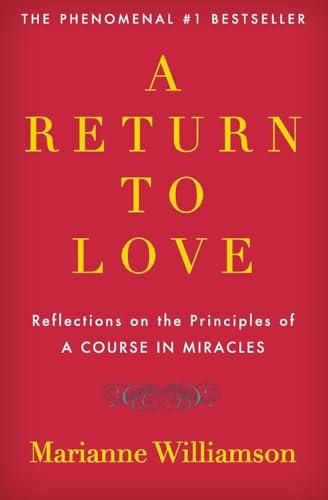
A Return to Love by Marianne Williamson explores how embracing love over fear can transform every area of our lives. Drawing on A Course in Miracles, Williamson shows how we build walls of judgment around ourselves and others. She argues that true strength comes from surrendering to love’s guidance.
Williamson begins by defining ego as the part of us that seeks separation. The ego claims it needs defenses to protect an isolated self. Yet these defenses only breed fear, conflict, and shame. Love, in contrast, unites and heals.
She then turns to miracles as shifts in perception. A miracle arises when we choose love instead of fear in any moment. By learning to notice fearful thoughts and gently replace them with loving ones, we open to guidance.
Next, Williamson gives examples of daily miracles. One might meet anger with understanding instead of retaliation. Another might forgive someone who caused pain. Each act of forgiveness loosens the ego’s grip.
Williamson argues that self-love underlies all other love. We often neglect or criticize ourselves, thinking humility means self-denial. In truth, loving ourselves allows us to extend genuine compassion to others.
She shares stories of people who transformed illness, addiction, or grief by applying these principles. A woman facing cancer found inner peace by affirming her worth. A recovering addict overcame cravings by seeing his true identity beyond the body.
The author then tackles relationships. She shows how fear creates control games between partners. By bringing love into interactions—and letting go of judgment—couples can heal old wounds and deepen intimacy.
Williamson spends time on parenting too. When parents lead with love rather than fear, children learn trust and confidence. Setting examples of forgiveness and respect shapes a child’s sense of self worth.
A key principle involves seeing others as our teachers. Every person we meet reflects our own thoughts back to us. Negative reactions we receive signal places where we still cling to fear.
She warns against spiritual bypassing—using lofty ideas to avoid real feelings. True healing requires facing fear’s roots, not denying pain. Love honors all emotions and gently lets them pass.
Financial issues also fall under the course’s reach. Williamson rebukes the notion that money is scarce. She encourages a mindset of abundance, reminding readers that giving and receiving flow from the same source.
Next, the book examines global conflicts. Williamson suggests that collective fear feeds war, poverty, and environmental damage. Shifting to love in our personal lives ripples outward, affecting entire communities.
She provides practical exercises: affirmations, guided meditations, and daily reflections. These tools help readers catch fear in action and choose love instead. Over time, this practice rewires thought patterns.
Williamson concludes by inviting readers to join a global shift in consciousness. She believes that as more individuals awaken to love, the world itself will heal. This vision rests on each person’s willingness to let love guide their thoughts and deeds.
In her final words, Williamson reminds us that love is our birthright. We return to love by dropping fear-based judgments. In doing so, we reclaim our true power and bring light wherever we go.
Detailed Summary
Key Takeaways
1. Choosing Love Over Fear
“Everything we fear is a call to love, for fear blocks the light of our true self.”
Fear’s Shadow: Marianne Williamson argues that fear lies at the root of most human suffering. We habitually react to life’s challenges with worry, anger, or withdrawal. These responses stem from a misperception that the world is hostile and that love is scarce.
She urges us to recall our inherent wholeness and to see love as the default state of the universe. When we recall our essential nature, we begin to act from compassion rather than contraction. That shift helps us heal personal wounds and mend fractured relationships.
Transformative Courage: Choosing love over fear reshapes personal behavior. When we respond with patience instead of panic, we model calm and compassion for those around us. Families find new patterns of communication, moving from criticism to support.
On a societal level, this mindset can reduce aggression. Communities that embrace empathy report lower rates of conflict. In workplaces, leaders who act from love foster trust and teamwork. Over time, a culture of fear gives way to environments where creativity and collaboration flourish.
Key points:
- Fear triggers reactive behaviors
- Love reveals our true self
- Shifting perception heals relationships
- Compassionate actions build trust
- Communities thrive on empathy
2. Miracles as Natural Expressions of Love
“Miracles are natural. When they don’t occur, something has gone wrong.”
Defining Miracles: Williamson defines miracles not as supernatural events but as shifts in perception. A miracle changes how we view ourselves and the world. It softens judgment and opens us to possibilities we previously dismissed.
She connects that shift to love, because love dissolves fear. When we view challenges through love’s lens, we see solutions where we saw walls. Miracles follow spontaneously.
Healing in Practice: Individuals report profound shifts when they apply this principle. People struggling with illness or addiction describe breakthroughs after choosing love over despair. In therapy, clients who practice loving-kindness see faster recovery.
On a larger scale, organizations that frame setbacks as learning opportunities report higher resilience. Schools that teach kindness alongside academics see fewer disciplinary issues. When we expect miracles, we act with hope and create better outcomes.
Key points:
- Miracles are shifts in perception
- They arise from choosing love
- They unlock new possibilities
- They support healing
- They foster resilience
3. Acknowledging the True Self
“Our true self is fearless and free. We cloak it in ego to survive, but that disguise suffocates joy.”
Ego vs. Essence: Williamson draws on spiritual traditions to distinguish the ego—our protective mask—from the soul, our eternal essence. The ego clings to control and thrives on doubt. It defines us by our failures and fuels comparison.
In contrast, the true self rests in unconditional love and inner peace. When we connect with that self, we tap into boundless creativity and intuition. We release the need to prove our worth and begin to live authentically.
Empowerment Through Authenticity: People who align with their true self report greater confidence. They pursue work and relationships that reflect their values. That alignment reduces stress and boosts fulfillment.
Communities that honor authenticity foster inclusivity. When people no longer hide flaws, they support one another’s growth. That openness drives social innovation and deeper collaboration across differences.
Key points:
- Ego masks our essence
- True self embodies love
- Authenticity builds confidence
- Aligned choices reduce stress
- Openness fuels collaboration
4. Forgiveness as a Path to Freedom
“Forgiveness isn’t something we do for others. We do it to free ourselves.”
Letting Go of Grudges: Williamson emphasizes that holding onto anger binds us to the past. We replay slights and injuries, draining energy and hope. Forgiveness releases that burden and creates space for love.
She offers practical steps: acknowledge the pain, recognize the shared humanity of all parties, and consciously choose to release resentment. That act doesn’t excuse wrongdoing; it liberates the forgiver.
Restoring Inner Peace: Individuals who practice forgiveness report lower anxiety and depression. They sleep better and find it easier to trust. Relationships once fractured by conflict often mend after genuine apology and pardon.
On a societal scale, truth-and-reconciliation processes mirror this principle. Nations emerging from conflict heal more fully when survivors and perpetrators engage in honest dialogue and forgiveness ceremonies.
Key points:
- Grudges drain energy
- Forgiveness frees the forgiver
- It acknowledges shared humanity
- It lowers anxiety
- It aids social healing
5. Healing Relationships Through Service
“The best way to heal yourself is to serve someone else.”
Service as Salvation: Williamson invites us to transcend self-centeredness by helping others. Service shifts our focus from personal lack to shared abundance. In giving, we discover our interdependence and our capacity for love.
She encourages small, consistent acts—listening without judgment, offering time or resources. Those gestures strengthen bonds and remind us that we belong to each other.
Ripple Effects: Volunteering and altruism boost psychological well-being. Studies show that helpers report greater life satisfaction and lower stress. Communities that foster volunteer networks see improved cohesion and safety.
Globally, service projects—like clean-water campaigns or educational outreach—ignite local leadership. They empower beneficiaries to become helpers themselves, creating cascading benefits throughout society.
Key points:
- Service shifts focus outward
- It reveals interdependence
- Small acts build trust
- Helpers gain well-being
- It sparks community growth
6. Global Healing Through Collective Love
“When enough of us choose love, we will heal the world.”
From Individual to Collective: Williamson extends her message from personal growth to global transformation. She asserts that individual shifts toward love aggregate into cultural evolution. When people act kindly, they influence neighbors and shape social norms.
She draws on examples like nonviolent movements and grassroots initiatives. Each began with a few individuals choosing love over oppression, inspiring masses to follow. Collective love then becomes a force for justice and peace.
Shaping a New Era: We see early signs of this shift in environmental stewardship, community-driven economics, and restorative justice. Citizens who emphasize compassion demand ethical policies and sustainable practices.
As more people align with love, nations collaborate rather than compete. Global crises—pandemics, climate change—meet coordinated responses. The shared commitment to healing creates a future where cooperation trumps division.
Key points:
- Individual love sparks movements
- Collective compassion reshapes norms
- It drives ethical policies
- It unites nations
- It fosters sustainable futures
Future Outlook
In A Return to Love, Williamson plants a seed that grows beyond the self. Her vision of a love-centered world challenges us to reconsider success, power, and progress. As more people embrace her call, we can expect shifts in leadership, with empathy replacing aggression and service replacing self-interest.
Research in psychology and neuroscience now validates what she proposed decades ago: compassion rewires the brain, and kindness improves health. Future studies will likely explore how collective intention shapes societal outcomes. Policymakers may incorporate love-based principles into education and justice systems.
Ultimately, the book invites each reader to become a catalyst. By choosing love in daily decisions—from conversation to voting—you contribute to a cultural metamorphosis. Over time, that metamorphosis may redefine what it means to be human: interconnected, compassionate, and whole.