
Summary
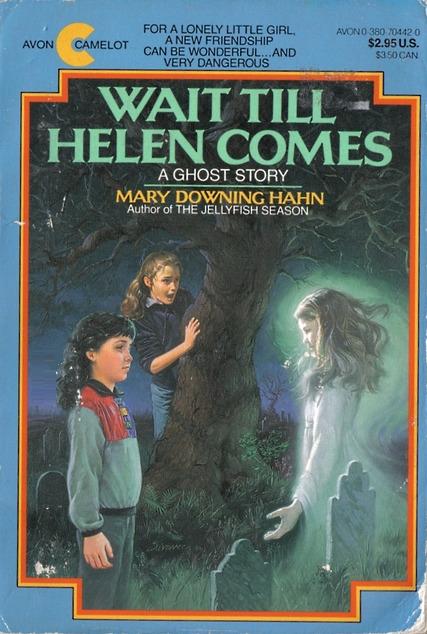
Wait Till Helen Comes by Mary Downing Hahn follows the story of thirteen-year-old Molly and ten-year-old Michael as they adjust to life with their new stepmother, Jean, and her seven-year-old daughter, Heather. The blended family moves from the city to a converted church in the Welsh mountains, hoping for a peaceful summer by a remote pond. Instead, they uncover a lonely cemetery and the crumbling remains of a small stone church. Heather, imaginative and attention-starved, is drawn to the stones almost at once.
Molly, more cautious than Heather, senses something unsettling about the place. Late one night, she hears muffled sobbing near the pond and sees a pale girl in a flowing dress. Heather claims she only wants a friend and names her Helen. Molly warns Michael that this Helen is no ordinary playmate, but Michael is more curious than afraid. He teases Heather about her secret visits, yet Heather’s obsession deepens when Helen whispers that Jean isn’t Michael and Molly’s real mother.
As Heather spends more time at the old church, she wears the ghost’s dress, hums sad songs, and vanishes for long stretches. Molly follows her one dusk and discovers Heather standing on the edge of the pond, staring into moonlit water. When Heather finally turns, her eyes glow with something not quite human. Molly yanks her away, but Heather’s laughter echoes eerily behind them.
Jean grows alarmed. She tries to coax Heather back inside and forbids her from returning to the church ruins. Heather pleads for leniency, claiming Helen will be lonely without her. Molly puzzles over Heather’s change, recalling how Helen tempted Heather with promises of love and understanding. Something about Helen’s tone reminded Molly of someone who’d been abandoned long ago.
Michael takes sides. He admires Heather’s daring and teases Molly for being too protective. They bicker over whether Helen is real or just Heather’s invention. Michael eventually braves the church alone and glimpses Helen reflected in a broken windowpane. The ghost beckons him, offering to show him secret treasures buried beneath the floorboards.
That night, Michael digs up a small tin box hidden under the crumbling altar. Inside, he finds faded letters, a silver locket, and a dried sprig of lavender. The letters reveal Helen’s real name—Helen Graves—and document the misery of a grieving family who lost her to a drowning accident seventy years earlier. Michael presses Molly to read them aloud by flashlight in their shared attic room.
Molly’s heart aches for the lonely child. She recognizes Helen’s sadness in Heather’s lonely eyes. Jean, overhearing whispers in the dark, barges in and confiscates the letters. She insists they shouldn’t meddle in old tragedies. Molly protests, arguing that Helen can’t rest until someone hears her story. Jean refuses to help a ghost and sends Molly to bed in frustration.
Heather grows sicker by the day. She resists meals and grows listless in her stepmother’s presence. One evening, Molly finds Heather slumped at the foot of the church steps, as pale as the headstones. Helen kneels behind her, murmuring that Heather must stay forever to keep her company. Molly races forward, dragging Heather away just as the moonlight turns Helen’s dress blood-red.
Jean finally believes Molly when she sees Heather collapse. They all rush home, but Heather’s illness baffles the local doctor. Jean blames stress from the move, but Molly knows Helen is draining Heather’s life force. She begs Jean to return Helen’s tin box and place it back under the altar, hoping to appease the ghost’s spirit.
Jean hesitates at the church gate, but Molly’s pleading eyes win her over. They creep into the ruins, the air thick with moss and moonlight. As Jean sets the box in its hiding place, a low whisper drifts through the stones: “Stay with me.” Heather appears behind them, eyes glazed. Helen steps from the shadows, reaching for Heather with skeletal fingers.
Molly steps between them and shouts Helen’s name. She tells Helen she’s sorry, that she cares about her pain. Molly recalls how Helen’s family carried on, living full lives even after her death. She offers forgiveness on behalf of a living world that never forgot her. Helen’s face softens for an instant, then she fades, leaving only the moonlit stones.
Heather collapses into Jean’s arms. They carry her back along the path as dawn brightens the sky. Molly lingers, touching the old altar one last time. She feels a quiet hush settle over the cemetery, as though a grieving heart finally found rest.
Back at the house, Heather wakes, pale but alive. She clings to Molly and Jean, whispering that she dreamed of a little girl who held her hand and smiled. Jean weeps relief and thanks Molly for her courage. Michael grins at Molly’s victorious look, teasing her about babysitting ghosts.
In the weeks that follow, the family grows closer. Heather laughs again, chasing fireflies across the meadow. Jean bakes muffins in the kitchen and reads bedtime stories aloud. Michael and Molly explore the hills, safe in the knowledge that some secrets belong to the past. Occasionally, Molly glimpses the church ruins from her window and thinks she sees small lights dancing among the stones—but now they feel welcoming rather than threatening.
By summer’s end, the pond lies quiet and still. Jean tucks Heather in at night and listens for footsteps on the porch. Molly sends her thoughts to Helen Graves, hoping the lonely child has finally found peace. The family packs to return to the city. As they drive away, Molly looks back at the fading rooftops and whispers, “Goodbye, Helen.” And in the rear-view mirror, she swears she sees a small figure waving among the graves.
Detailed Summary
Plot Summary
1. The Move to the Old Church
When twelve-year-old Molly and her younger brother, Michael, first arrive at the rural church-turned-vacation-home, they feel hope. Their mother, Jean, remarried handsome Dave and wants fresh starts for them all. The siblings sense excitement in the sprawling fields and the drafty attic, although Molly wonders about Dad’s absence and what this change really means.
Soon, Molly discovers faded toys and dusty photographs tucked behind an attic door. She finds a lone girl’s dress and an aged diary. Each item hints at a child who once lived here long ago. Molly flips through the shabby book at dusk, her heart beating faster as she reads of a lonely girl named Helen.
That night, Michael wakes crying, certain a little girl whispered his name. Molly comforts him, though she’s unsettled herself. The house creaks in odd ways, and shadows seem to flicker in the hall. They lie awake, listening to wind and soft footsteps overhead, neither daring to fully admit what they imagine.
2. First Encounters with Helen’s Spirit
A few mornings later, Molly finds Michael skipping over the garden path with a pale girl no one else can see. Michael claims the newcomer’s name is Helen and that she wants him to play. Molly, protective, warns him against venturing too far into the woods alone. Yet curiosity nags at her.
As twilight deepens one evening, Molly follows Michael into the orchard. There, she glimpses a wispy form—dressed in white, face streaked with tears. The girl beckons Michael. Molly rushes forward, and the spirit vanishes, leaving only footprints in the soft grass. Michael insists he saw Helen clearly, although his sister can’t shake a chill.
Back inside, Jean fusses over Michael’s bruised knee. She cautions them about wild animals or falling branches. But Molly sees fear behind her stepmother’s smile. She wonders whether Helen’s ghost is friendly—or something more unsettling. She resolves to learn Helen’s story before she intervenes further.
3. Unearthing Helen’s Tragic Past
Molly pins the old diary pages across her bedroom wall, piecing Helen’s memories together. She learns Helen Andrews died in a fire decades earlier while staying with an aunt. The townsfolk whispered she’d been left alone to play in the attic and never escaped the blaze.
Molly tracks down the graveyard at the edge of town. She finds Helen’s small headstone, half sunken into the earth. The grass is overgrown, and a broken rose bush droops beside it. Molly kneels, brushing aside dirt, calling softly, “Helen Andrews, I know your name.” Wind stirs the leaves, but no whisper follows.
That night, the house trembles with distant thunder. The siblings huddle under blankets as the diary glows faintly on Molly’s desk. Helen’s spirit appears, crying out for someone to remember her. Molly vows to help the lonely ghost find rest—even if it means facing danger herself.
4. Growing Tensions and a Threatening Force
As Molly investigates local records, Dave grows impatient. He warns Molly to drop her ghost hunt and enjoy summer. Michael, meanwhile, begins sleepwalking, mumbling Helen’s pleas for help. Jean worries but can’t explain the bruises Michael bears each morning.
Molly senses a darker presence behind Helen’s sorrow. Strange things happen: objects fly across rooms, walls thump with unseen fists. Helen’s loneliness infected the house, but now something else stirs. It hisses Molly’s name, promising retribution if she persists.
During a thunderstorm, the attic door slams shut. Footsteps pound above. Molly pleads with Jean and Dave to believe her. They finally witness a rocking chair moving on its own. In fear, Jean promises to help Molly free Helen’s spirit—and end the haunting before it destroys them all.
5. The Ritual of Remembrance
Molly organizes a small ceremony at Helen’s grave. She collects flowers from the garden and reads aloud passages from the diary. Michael places one tiny shoe on the headstone. As dusk falls, a soft glow envelops the clearing, and a pale figure emerges.
Helen hovers above the ground, transparent and weeping. Molly speaks gently, “We remember you, Helen. You’re not alone anymore.” The ghost pauses, searching Molly’s face for trust. Leaves swirl in sudden gusts, and the air grows cold. Helen extends a slender hand toward Michael, who bravely touches it.
For a moment, the world stills. Then Helen’s sorrow lifts like mist. She smiles—sad, but relieved. With a final nod, she fades into sparkling motes of light that drift skyward. Molly and Michael stand together, tears and relief intertwined, as the old church behind them settles into sudden peace.
6. A New Beginning
In the calm after the haunting, the family feels closer than ever. Jean calls the siblings in for dinner. Michael runs ahead, laughing and free of fear. Molly follows, thoughtful and lighter at heart.
They pack Helen’s diary and one lone shoe away in a keepsake box. Dave helps them bury the shoe beside a rose bush by the house. Days later, the battered attic door swings open easily, and sunlight warms the rafters.
Molly realizes that the past doesn’t vanish—it transforms. Helen’s memory remains in the garden, in whispered breezes, and in the siblings’ stronger bond. They move forward together, ready for whatever comes next.
Characters
1. Molly (Protagonist)
“I won’t leave you alone again,” Molly whispered to the empty attic, and somehow, Helen heard.
Molly, at fourteen, carries the weight of caring for her younger brother. She’s cautious and bookish, drawn to mysteries and old stories. When she first spots Helen’s diary, she feels both fear and fascination, determined to learn more even when Jean and Dave dismiss her concerns.
Over the course of the summer, Molly grows braver and more empathetic. She faces spectral threats without flinching. Her protective instincts shift from Michael to include Helen’s restless spirit. By the end, Molly learns that kindness can heal even the loneliest souls.
2. Michael (Key Supporting Character)
“Helen says she just wants someone to play,” Michael says softly, clutching his teddy bear.
Eight-year-old Michael is sweet-natured and impressionable. He adores his big sister and quickly befriends Helen’s apparition. His initial excitement turns to dread when sleepwalking and bruises plague him. Michael’s innocence makes him vulnerable, but also powerful in reaching through to Helen’s sorrow.
Throughout the story, Michael’s trust in Molly never wavers. When he finally places that shoe on Helen’s grave, he proves that childlike faith can unlock forgiveness in even the weariest spirit.
3. Jean (Mother and Ally)
“We’ll do this together,” Jean tells Molly, her voice firm even as her hands tremble.
Jean tries to balance her new marriage with the needs of her children. She’s practical and protective, eager for a peaceful life. At first, she brushes off Molly’s ghost stories and chalks bruises on Michael to scrapes and falls.
As evidence mounts, Jean’s skepticism gives way to fierce loyalty. She joins Molly in the graveyard ceremony and confronts the dark force. In doing so, she becomes the bridge between the living family and Helen’s trapped soul.
4. Dave (Stepfather)
“Sometimes old houses wake up, kiddo. Let’s just see where it leads.”
Dave, a kind man in his thirties, loves Jean and wants to be a steady presence for the kids. Skeptical of ghosts, he initially attributes noises to wind and creaks to old wood. His calm logic keeps the family grounded in reality.
When he helps bury Helen’s shoe beside the rose bush, Dave shows that open-minded support can coexist with rational care. He may not understand everything, but he stands by Jean and the children.
5. Helen Andrews (Antagonist-Turned-Spirit Ally)
“Wait till Helen comes,” the wind seems to whisper, and Michael shivers.
Though unseen for most of the story, Helen’s presence looms large. In life, she was an alone child who died tragically in a fire. Her spirit, initially lost and angry, lashes out at intruders. She craves remembrance and release.
As Molly uncovers her diary entries and honors her memory, Helen’s bitterness gives way to gratitude. She transforms into a gentle guide at the grave site, finding peace at last.
Themes Analysis
1. Memory and Remembrance
The novel shows how forgotten lives can linger when nobody remembers them. Helen’s spirit cannot rest until someone learns her story and honors it. Molly’s careful gathering of diary entries and flowers becomes an act of compassion that bridges past and present.
On a broader level, the story suggests that memory is an heirloom passed from one generation to the next. By keeping Helen’s legacy alive, the family heals old wounds and forges a stronger bond among themselves.
2. Family and Belonging
At its heart, Wait Till Helen Comes explores the meaning of home. Molly and Michael’s fear of abandonment mirrors Helen’s isolation. When Jean and Dave welcome the siblings into their lives, they form a new family unit that values trust and inclusion.
Helen’s journey parallels the children’s struggle to find belonging. By embracing Helen’s spirit, the family expands its circle. Together, they prove that love can cross boundaries—even those between life and death.
3. Courage in the Face of the Unseen
Molly’s bravery anchors the tale. She confronts rattling attic doors and spectral whispers, driven by her protective instincts. Michael, too, shows courage when he ventures into the orchard at dusk or lays Helen’s shoe on the headstone.
Their acts of boldness underscore a key message: real courage is not absence of fear but action despite it. The siblings model resilience that comforts both the living and the departed.
Key Plot Devices
1. Helen’s Diary
The torn diary pages scattered in the attic ignite the entire mystery. Through Helen’s own words, Molly pieces together the tragic fire and a lonely childhood. Each diary entry reveals new clues and deepens the reader’s sympathy for a girl trapped between worlds.
The diary also acts as a bridge between past and present. Molly’s careful reading and the family’s eventual graveyard ritual hinge on the diary’s revelations. Without it, Helen might never find rest.
2. The Attic Door
The attic door creaking open at night symbolizes the barrier between life and death. At first, it stirs Molly’s fear; she imagines every groan as spirts crossing through.
Later, the door’s willingness to swing wide on its own marks a turning point. The house itself acknowledges Helen’s release. When the door finally stays open in daylight, it signals peace in both the old church and the family’s hearts.
3. The Lone Shoe
A single child’s shoe placed at Helen’s grave becomes a tangible offering. Michael’s small act of laying it down shows innocence and faith. This simple object anchors the final release ritual.
After Helen fades, the shoe buried beside a rose bush transforms into a living reminder. It testifies that a small gesture can honor a lost soul and heal old scars.







