Summary
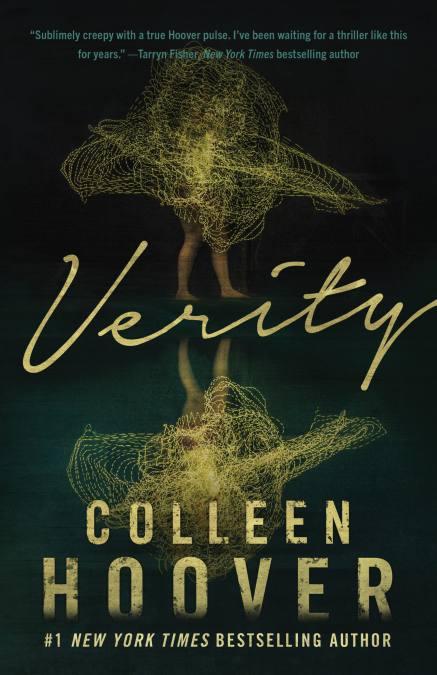
Verity by Colleen Hoover introduces Lowen Ashleigh, a struggling writer whose big break arrives when veteran author Verity Crawford suffers a car accident. Verity’s husband, Jeremy, asks Lowen to complete Verity’s bestselling series. He needs someone to review Verity’s outlines and notes, and Lowen jumps at the chance to revive her writing career.
Lowen travels to the Crawford home and feels its eerie stillness at once. Verity lies unconscious upstairs, tangled in wires and tubes. The house keeps secrets. Every room stirs Lowen’s nerves, from the walls lined with Verity’s awards to the baby crib tucked in the corner of Jeremy’s study.
Jeremy greets Lowen with a fragile smile. He still mourns the loss of his two young children in a house fire years earlier. That tragedy prompted Verity’s breakdown. Grief fouled her mind, and some feared she might harm their newborn daughter, Harper. The infant now lives with Jeremy’s sister, so tensions run high.
Lowen settles into the guest room and opens Verity’s notes. At first, she expects simple bullet points about upcoming plot twists. Instead she finds a hidden manuscript—Verity’s own confessions. Each page feels like poison ink, dripping with dark revelations about the Crawford family’s past.
The manuscript claims Verity loves Jeremy fiercely yet resents his children as reminders of her failure. She describes obsessively watching the girls die in that fire and details her plan to harm Harper next. If the words are true, then Verity is dangerous beyond repair.
Lowen wrestles with her conscience. Should she show Jeremy these shocking pages? She worries he’d dismiss them as fiction or slander. Yet every day spent hiding the truth binds Lowen in a lie of her own. She wanders the house haunted by Verity’s voice, whispered from the unseen pages.
Meanwhile, Jeremy escorts Lowen through the gated neighborhood, pointing out the children’s grave marker. He remains devoted to Verity and insists he believes she’ll wake with her old warmth intact. Lowen senses his denial more than his hope.
Night brings uneasy dreams. Lowen wakes certain someone watches her from the hall. She tiptoes down the corridor, her lamp beam cutting through darkness. She wonders if Verity stirred in her bed, her eyes opening at last to roam these halls.
As days pass, Lowen and Jeremy grow closer. Late nights editing spawn shared coffee and quiet smiles. She learns Jeremy’s soft laugh and his habit of leaving forgiveness notes in old books. He confesses the burden of caring for his comatose wife.
Lowen studies Verity’s manuscript further. It turns confessional, laced with remorse—and becomes unreliable. Verity contradicts herself, sometimes blaming mental illness, sometimes claiming deliberate murder. Lowen cannot be sure which pages reflect truth.
Jeremy reads her polished chapter and praises her skill, unaware of the dark draft tucked in Lowen’s bag. She watches him hug the words she crafted and battles guilt. Part of her wants to protect him from Verity’s lies. Another part fears letting him live in ignorance.
One afternoon, Lowen finds old family photos in Verity’s study. In some, Verity smiles at her daughters. In others, her face goes cold, hollow. These contrasts strengthen the manuscript’s power over Lowen. She cannot decide if Verity adored her children or envied them to the point of violence.
At last, Lowen catches Jeremy off guard one evening and reveals the hidden draft. His face shifts from curiosity to horror in seconds. He reads feverishly until tears stream down his cheeks. Then he storms away, crumpling the pages in his fist.
When he returns, Jeremy tells Lowen she misread Verity’s mind. He says Verity once threatened to fake a confession to protect him from scandal. The manuscript, he insists, is creative fiction by a distressed mind. Lowen stands confused, aching with doubt.
Verity awakens the next morning, alert and serene. She surveys Lowen and Jeremy with calm eyes, as if no accident ever occurred. Jeremy kneels beside her, relieved, and exchanges a look with Lowen. In that gesture, Lowen recognizes complicity. They choose to bury the manuscript’s truth and rebuild their life on a lie.
Lowen packs her bags and prepares to leave. Jeremy thanks her and offers her a permanent position. She pauses in the doorway, torn by her forbidden love for Jeremy and guilt over ruling Verity’s fate. Then she steps out, leaving the house in silence—and carrying the fragments of a broken family in her heart.
Detailed Summary
Plot Summary
1. Lowen’s Arrival at the Haworth Home
Lowen Ashleigh, a struggling writer, arrives at the secluded Haworth estate to finish the unwritten portion of bestselling author Verity Crawford’s series. Verity lies incapacitated after a car accident. Her husband, Jeremy, hires Lowen, hoping her fresh prose will spark the ending he can’t find. He leads her through Verity’s half-finished manuscript, inviting Lowen into a world shaped by Verity’s voice.
Inside the grand but cold Haworth house, Lowen faces unsettling reminders of tragedy. Sparse photographs and silent hallways hint at something darker. Jeremy greets her with polite warmth, but his eyes betray grief. He shows Lowen the guest suite, a single room overlooking the lawns where Verity once ran. As Lowen settles in, she senses the weight of unfinished business pressing down.
That first evening, Lowen reads Verity’s manuscript by lamplight. The narrative pulses with raw honesty—too raw. Each revelation unsettles Lowen more. She leans forward, caught by a confessional tone that feels less like fiction and more like a diary. By bedtime, she struggles to close the manuscript, its haunting details trailing into her dreams.
2. Unearthing Verity’s Manuscript
Lowen delves deeper into Verity’s manuscript, discovering passages that blur the line between truth and fantasy. Verity describes her life: the early days of courtship with Jeremy, the birth of their twin boys, and the piercing swirl of maternal love and dread. Yet the tone shifts. Verity hints at jealousy, even malice toward her own children. Dark thoughts slip between lines.
While writing, Verity mentions a girl she cared for before marriage—an odd insertion that puzzles Lowen. Questions bloom. Who was this girl? Why does Verity dwell on shameful secrets rather than the main story? Lowen jots notes, more unsettled with each chapter.
Jeremy checks in periodically, his concern genuine. He notices Lowen’s pale face and tired eyes. When he asks if she needs a break, Lowen lies, claiming she’s fine. Yet inside, she battles growing dread: Is this manuscript a confession or a work of twisted imagination?
3. Lowen’s Growing Unease
As days pass, Lowen reviews more sections of the manuscript and gathers eerie parallels to Verity’s real life. Verity confesses she once contemplated harm against her sons, then switched focus—no tidy remorse, just a chilling curiosity about her own darkness. Lowen shivers over each line. She stops sleeping. Hallways in the Haworth home seem too quiet, as if walls themselves hold their breath.
She crosses paths with Jeremy in the dining room. He tries to reassure her: Verity’s mind wasn’t well before the accident. But his smile wavers. He admits grief twists reality. Lowen feels sympathy—yet she can’t dismiss the manuscript’s horror. It reads like a truth Verity hoped to bury.
One night, Lowen hears a noise outside her window. She peers out and sees footsteps vanish around the corner. She rushes downstairs, heart pounding, but finds no one. Still, she’s convinced she glimpsed a dark figure, maybe Jeremy, maybe a shadow of Verity’s confession.
4. A Haunting Bond with Jeremy
Lowen and Jeremy grow closer as they discuss Verity’s story. He opens up about their early marriage—how Verity’s brilliance soared alongside her mood swings. Jeremy admits he sometimes feared her uncontrolled thoughts. In hushed tones over coffee, he reveals how guilt ate at him—guilt for loving Verity at her worst moments, guilt for failing to help her.
Lowen listens, torn. She wants to comfort him, but the manuscript’s words echo in her head. Does Jeremy truly mourn his wife, or has he stitched a narrative to blame her? He sometimes gazes at Lowen as if seeking understanding, maybe even absolution. The line between survivor’s guilt and suspicion blurs.
Their evenings become companionable. Yet every shared laugh casts a shadow. Lowen wonders if she’s falling into the role Verity once held: wife, muse, caretaker. She catches herself wanting more than professionalism—wants Jeremy to see her as someone who truly comprehends Verity’s story.
5. The Truth Revealed
Lowen reaches the manuscript’s most disturbing chapters. Verity recounts an accident: their son died under her watch. In guilt-stricken frenzy, she confesses she tried to harm the other boy. Then she writes about how Jeremy saved that child—but only by killing Verity’s boy. The revelation splits Lowen’s world.
Every detail shatters her trust. Could Jeremy be capable of such an act? She rereads the text, voice trembling. At dawn, she confronts Jeremy. He listens, expression crumpling. Then he explains: there was no dark deed—Verity’s words are fictional confessions, desperate vignettes of mental illness. The accident took one boy, but Jeremy never harmed anyone else. He pleads with Lowen to stop reading, to discard the pages.
Lowen stands at a crossroads. Does she believe the manuscript? Or trust Jeremy’s gentle denial? Her choice will shape the story’s end—and possibly her own fate.
Characters
1. Lowen Ashleigh (Protagonist / Ghostwriter)
“I can hear her voice in every paragraph, and I don’t know whether it’s guilt ringing in her words—or a trap she set for me.”
Lowen Ashleigh struggles as a writer when she’s offered a lifeline: finish Verity Crawford’s bestselling series. She arrives at the Haworth home with a mixture of hope and trepidation. Over days spent reading Verity’s manuscript, Lowen’s empathy and professionalism morph into obsession. She pores over each confession, feeling Verity’s presence press upon her.
Lowen’s drive to uncover the truth clashes with her fear. She questions her talent and her morality in equal measure. The deeper she reads, the more Lowen battles sleepless nights and trembling hands. When she and Jeremy grow close, Lowen finds herself torn between desire and dread. By the climax, she must choose between loyalty to Verity’s memory and her own survival.
2. Jeremy Crawford (Widower / Commissioner)
“I don’t want the truth if it means losing the memory of the woman I loved.”
Jeremy Crawford stands as both victim and gatekeeper. After Verity’s accident, he lost his wife and one of their twin boys. He hires Lowen to finish his late wife’s books, hoping to salvage both her legacy and his livelihood. Jeremy’s grief is raw—he vacillates between gentle sadness and bristling defense when the manuscript’s revelations surface.
He loves Verity fiercely, even as he admits fearing her darker moods. With Lowen, he shares intimate memories—early courtship days filled with laughter, then heartache over Verity’s mental struggles. Jeremy’s patience frays when he senses Lowen doubting him. Yet he softens at her fragility, longing for a partner he can trust.
3. Verity Crawford (Author / Catalyst (through manuscript))
“I love them so much that sometimes all I want is to see them gone.”
Though Verity is incapacitated, her voice dominates the novel via her unfinished manuscript. She appears brilliant but unstable—her narrative jumps from tender motherhood to unsettling fantasies of harm. Verity’s words reveal an obsessive need for control, a mind teetering between genius and madness.
She becomes both narrator and antagonist in Lowen’s mind. The manuscript’s confessions spark fear, sympathy, and revulsion. Verity’s presence lingers in empty rooms and whispered fears. Through her writing, Verity exercises a final, chilling power over Lowen and Jeremy.
4. Crew and Conner Crawford (Twin Sons (mentioned))
“Watching Jeremy hold Crew, I saw a love that could heal anything—or destroy everything.”
Crew and Conner are Verity and Jeremy’s twin boys. One dies in a tragic accident before the story begins; his death looms over every decision. The surviving twin, Crew, becomes a symbol of innocence and hope. Verity’s manuscript frames both boys in shifting lights—cherished children, potential threats to her peace.
Though Crew appears sparingly, his existence propels the plot. Jeremy’s devotion to Crew offers Lowen a glimpse of genuine love amid grief. Crew’s presence forces every character to confront guilt, fear, and the limits of parental instinct.
Themes Analysis
1. Truth Versus Fiction
Verity blurs reality and imagination through her confessional manuscript. Lowen wrestles with the authenticity of Verity’s words. Are they literal admits of violence or explorations of her fractured mind? This tension drives suspense. Readers question whether Jeremy’s denials hold weight or if Verity truly plotted harm.
The novel probes how stories shape our trust. Lowen’s role as ghostwriter makes her an unreliable narrator in her own right—she may edit, omit, or embellish. In choosing which parts to publish, she wields power over Verity’s legacy. The theme suggests that every narrative, even a personal confession, carries elements of both truth and artifice.
2. Guilt and Grief
The aftermath of loss clings to every character. Jeremy loses his wife and a son; Lowen carries survivor’s guilt reading Verity’s words. Verity’s own guilt seeps through her manuscript, coiling around her every thought. Each character grapples with what they’ve lost and what they might have done.
Grief drives Jeremy to cling to Verity’s memory, even when it hurts him. Lowen’s empathy evolves into guilt over her attraction to Jeremy. The novel shows how guilt can warp perception, making angels seem demons and vice versa. In the end, redemption feels possible only through uncovering—or redefining—the truth.
3. Power of the Pen
Verity’s manuscript wields uncanny influence. Words become weapons. She holds Lowen and Jeremy in thrall long after her body falls silent. This underscores writing’s potency: a single phrase can comfort, manipulate, or terrify.
Lowen, as a writer, recognizes her own power—and the moral weight it carries. Her decision on how to finish the series could rewrite Verity’s story entirely. The novel celebrates storytelling’s magic while warning of its dangers: a pen can restore lives or unravel them.
Key Plot Devices
1. Verity’s Unfinished Manuscript
The manuscript functions as both plot engine and psychological mirror. It propels Lowen’s investigation and raises every question the story explores: What is real? Who to trust? Each chapter she reads escalates tension, revealing darker confessions that shape her actions.
Beyond mere evidence, the manuscript acts like a haunting presence. It infiltrates Lowen’s dreams and colors her perceptions of the Haworth home. The reader, alongside Lowen, fears each new revelation—never certain if it’s a literal truth or a crafted lie.
2. Isolation of the Haworth Estate
The secluded setting traps Lowen and Jeremy together, amplifying suspense. Tall hedges and locked gates cut them off from outside help. Shadows on empty lawns feel alive; every door creak suggests eavesdroppers.
Isolation heightens emotional stakes. Lowen can’t easily escape the manuscript’s horror. She can’t seek advice without Jeremy’s permission. This pressure cooker reveals true motives and cracks in their trust, pushing both characters toward confession or confrontation.
3. Unreliable Narration
Verity’s voice in the manuscript proves wildly unreliable. Her contradictions and abrupt tonal shifts force Lowen—and readers—to question everything. Is she confessing or crafting a final novel? Her unreliability mirrors Lowen’s own growing doubts about her role.
This device fosters suspense. Each new “revelation” could be a lie, a test, or a veiled truth. The shifting narratives keep the story unpredictable, ensuring that no single perspective holds absolute authority.