Summary
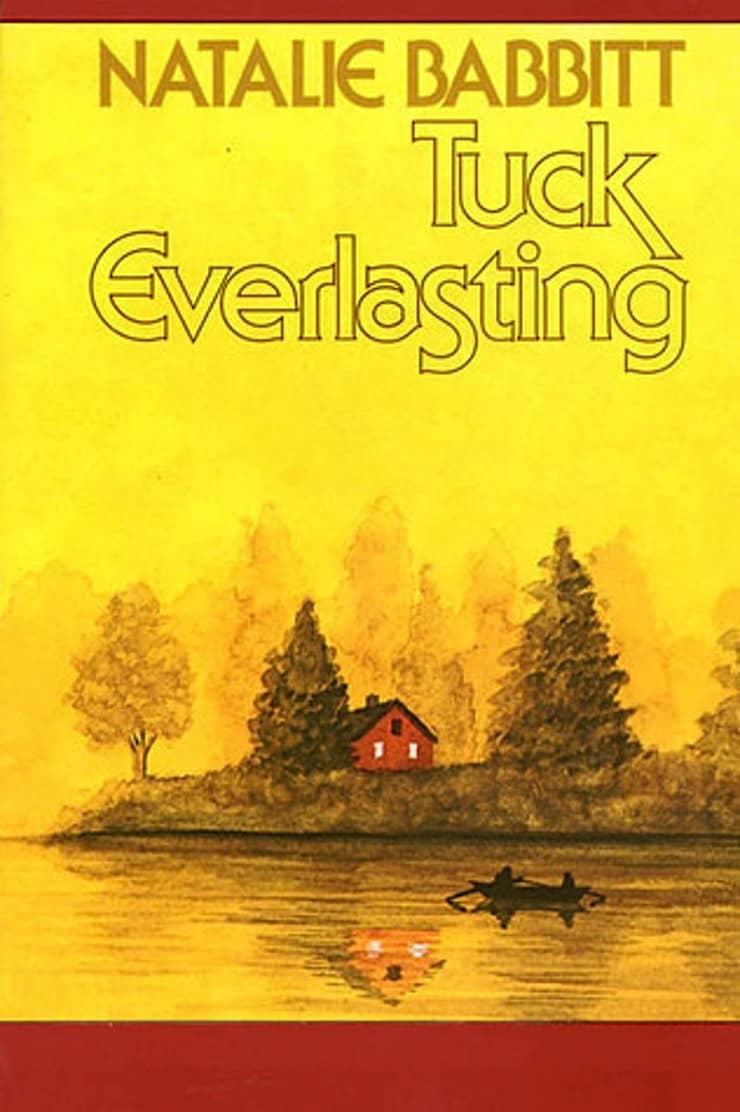
Tuck Everlasting by Natalie Babbitt tells the tale of ten-year-old Winnie Foster, a girl who feels trapped by her own family’s strict rules and the boundaries of her grand estate. Early one summer afternoon she slips away from her stern grandmother’s watchful gaze and ventures into the nearby woods. There she discovers a hidden spring and meets a pale, curious boy named Jesse Tuck, drinking from its waters as though it were the most ordinary thing in the world. Jesse seems both ageless and urgent, and when Winnie questions him, he vanishes swiftly into the trees, leaving her puzzled and drawn to the mystery.
Winnie learns that Jesse is part of the Tuck family, who live in a ramshackle house not far from the spring. One night, the Tucks appear at the Foster home where Winnie lives, uttering strange apologies before absconding with her in their carriage. They explain that drinking from that spring has granted them everlasting life: they never grow older and never truly die. Jesse, who looks about sixteen, claims he’s nearly a century and a half old. His parents—Angus and Mae—seem resigned to their fate, while Jesse’s younger brother Miles bears a deep sorrow from watching loved ones wither and die around him.
Angus Tuck, quiet and thoughtful, shares the darkest tale of their immortality: once he nearly drowned but remained alive, free from death’s release. He has since accepted that living forever is no blessing. Mae, his gentle wife, tends to the practical worries of hiding their secret. Miles, filled with regret over his lost wife and child, carries a painful longing for normal mortality. Through their voices, Winnie hears how immortality has trapped them in a frozen time, barred from friendship and family in the usual sense.
Mae and Angus debate what to do with Winnie, fearing she might reveal their secret spring. The Tucks wrestle with guilt and caution. They worry that if word of the spring spreads, countless people will drink and bring chaos. Somewhere in their hearts they hope for release—an end to their unending lives. Yet they cannot choose death for themselves.
Winnie, at first alarmed by her sudden abduction, grows curious about the Tucks’ gentle presence. She notices how they laugh, quarrel, and care for one another like a typical family. In the flicker of firelight they show her old photographs—unchanged over decades—and she realizes how alone they must feel. Jesse’s easy grin and carefree spirit stand in marked contrast to Miles’s melancholy and Angus’s somber calm.
By moonlight Jesse Tuck offers Winnie a chance to drink from the spring and join them in immortality. He insists life would never be dull, that they could wander the world without fear. But Winnie trembles at the idea of being locked in an endless cycle. She wonders if everlasting life can truly feel like living.
Meanwhile, a stranger in town—a man in a gray suit—has discovered the legend of the spring. He visits the Foster home under the guise of a music man and inquires about local lore. Suspicious of his motives, Winnie's grandmother urges vigilance. Unknown to Winnie, the stranger intends to bottle the spring water and charge townsfolk for a taste of eternal youth.
Back at Treegap, the Tucks learn of the stranger’s scheme. They fear that once the secret is sold, their private curse will turn into public disaster. Angus insists they must move on, but Mae and Jesse argue they must protect Winnie and their secret. A plan forms to retrieve Winnie and leave no trace of the spring behind.
Late one night the Tucks return Winnie to her own home. They rouse her window, convey her warning, and slip away before dawn. Winnie stumbles back inside, bewildered, as her family sleeps peacefully, unaware of her brief adventure.
The next morning Winnie finds a note tucked under her door. Mae’s shaky handwriting thanks her for listening and begs her to guard the secret. The Tucks have vanished, their house abandoned and overgrown. Only a small wooden sign marks the spot where they once lived.
At the same time, the stranger in gray places barrels of spring water in his traveling wagon. He plans to advertise in fairs and villages, charging a heft for each drop. But in the dead of night a courageous constable follows the stranger, steals back the water barrels, and destroys them by the spring itself, refusing to let such power spread.
Years pass and Winnie grows into adulthood. She never forgets that summer night or the family who offered her forever. At seventeen she flees her home one last time and returns to the woods. Beneath the whispering leaves she kneels by the spring and drinks deeply, holding her breath as she waits to emerge changed.
Time holds its course. Winnie ages and grows, experiences joy and sorrow, marries, and raises a child. In the fullness of her days she returns once more to the hidden spring. There, she meets an ancient Miles, whose own long years have worn him thin. Together they share memories of that fateful night, and Winnie steps into the water a second time.
As she rises again, she feels neither old age nor youth—just the weight of countless summers behind her. She wades ashore and leaves the spring’s gift behind, choosing mortality with its promise of an end. Miles, watching her go, finds in her choice a bittersweet hope that life’s beauty lies in its fragility.
In the end, Treegap returns to quiet slumber. The spring bubbles on, hidden by ferns. And though few know its power, Winnie Foster’s choice echoes through the woods: that living a finite life, rich with change, love, and loss, is itself the truest grace of all.
Detailed Summary
Plot Summary
1. Introduction to the Fosters and the Woods
Winnie Foster lives in the village of Treegap, bound by her overprotective family. She watches life pass by from behind curtains, longing for something real and free. At ten years old, she senses that the world beyond her lawn might hold more than rules.
One afternoon, Winnie steps into the wood near her home. She glimpses a stranger drinking from a spring at the circle of elder trees. He glances up with calm eyes. She flees. The memory of his pale, ageless face haunts her.
That evening, a stranger calls at the Foster home. He wears a black suit and a stiff collar. He asks about Winnie. He denies knowing anything about her. Still, his words chill her. She realizes the woods hide powerful secrets.
2. Winnie’s First Tug at Immortality
Winnie returns to the circle of trees. She finds Jesse Tuck, an easygoing teen, drinking from the spring. His voice is warm when he greets her. She explains her loneliness. He offers her a drink—but she hesitates.
Jesse says the water grants what people most want. Winnie, tired of confinement, almost sips. She feels a strange tug at her heart—half hope, half fear. Before she decides, the Tucks rush her away.
Mr. Tuck, Jesse’s father, drives up. His stern gaze unsettles Winnie. He tells her the spring’s water traps people in unending life. Immortality brings no peace. Then, he warns her never to return.
3. The Tucks’ Story Unfolds
At the Tuck home by Foster’s Pond, Winnie learns their secret. In sixteen ninety years, the Tucks have watched generations change while they stay the same. Anger and sorrow slip into Mr. Tuck’s words when he speaks of lost children. Mrs. Tuck gently comforts him.
The Tucks share their tale around a kitchen table. Miles, the older son, speaks quietly of the burden of eternity. He left home, traveled the world, and regretted every mile. Meanwhile, Mae, the mother, hums a lullaby and offers warm biscuits.
Winnie realizes they love her. They treat her like family. Yet, behind their smiles, she senses deep regret. Immortality sounds less like a gift and more like a cage.
4. The Stranger Returns
Days pass and Winnie grows attached to the Tucks. One afternoon, the man in the black suit reappears. He tracks her by the spring’s rumor. He tells the Tucks he’ll sell the water to the highest bidder. His eyes glint with greed.
Mr. Tuck confronts him. The stranger shrugs off the warning. He plans to bottle the water and charge a fortune. The Tucks fear unhappy consequences—immortals in the hands of profiteers. They realize they must act before their secret spreads.
Winnie watches in disbelief as the stranger ties Mae with rope. He drags her toward town. He hopes to force her to reveal the spring’s location. Fear and anger rise in Winnie’s chest. She decides she must help.
5. Winnie’s Rescue Mission
At dawn, Winnie sneaks away to save Mae. She cuts Mae’s bonds with trembling hands. Mae steadies her, offering a gentle laugh. Together they slip back to the pond’s edge.
The stranger pursues. Winnie spots a rowboat hidden by reeds. She and Mae paddle across the pond. The stranger aims his pistol—but Jesse stands at the far bank. He waves, then hurls a rock that cracks the man’s arm. He winces and drops the gun.
Breathing hard, Winnie watches Jesse approach. He helps Mae out of the boat. The stranger shrinks back. The Tucks decide they must relocate before more people learn of their immortality.
6. Winnie’s Choice and Farewell
Before dawn, the Tucks prepare to leave Treegap forever. They load a wagon with small trunks and blankets. Jesse lingers by Winnie’s window. He offers her another taste of spring water. He hopes she’ll stay immortal by his side.
Winnie falters. She imagines riding with Jesse into endless years. Yet, she thinks of her family, of growing old and returning home. She steps back. With tears, she declines. Immeasurable youth can’t replace life’s seasons.
In quiet dawn light, the Tucks depart. Winnie feels both relief and sorrow. She watches their wagon fade into the morning mist, carrying the secret that neither they nor she will ever forget.
Characters
1. Winnie Foster (Protagonist)
“I’ve always felt something was missing,” she whispered, staring at the spring.
Winnie begins as a sheltered ten-year-old, bound by family rules. She yearns for freedom, curiosity guiding her into the woods. That first step marks her journey from timid child to someone who makes a lasting choice.
During her time with the Tucks, Winnie learns sacrifices come with every gift. She grows wiser, understanding that immortality strips life of its meaning. By the end, she grasps the value of time, choosing a normal life over endless years.
2. Jesse Tuck (Key Supporting Character)
“Stay with us,” he pleaded. “There’s so much more ahead.”
Jesse carries a hopeful spirit despite a century of unchanging youth. He greets Winnie with warmth and humor, offering her the chance to stay young. His easy grin hides a deep loneliness that only Winnie’s friendship eases.
Through Jesse, the story shows how endless life warps relationships. He begs her to drink, torn between love and the burden he knows immorality brings. His heartbreak reveals that immortal days lose meaning without change.
3. Mae Tuck (Key Supporting Character)
“I’ve held children who grew and died,” she murmured. “This life… it holds no end.”
Mae embodies gentle strength. She comforts her family through centuries, singing lullabies and baking bread. Her warmth reassures Winnie that love persists even in endless life.
Yet, when the stranger binds her, Mae shows resolve. She endures pain to protect her secret. Through Mae, the novel affirms motherhood’s power to anchor people in time’s flow.
4. Angus “Pa” Tuck (Key Supporting Character)
“A thing is only precious when it’s rare.”
Mr. Tuck speaks with quiet authority. He regrets the spring more than anyone. His eyes cloud when he remembers watching loved ones age. He stands firm against greed, defending his family’s secret with unwavering resolve.
He also shares wisdom. He tells Winnie that life’s value lies in its brevity. In his hands, the spring’s power feels like a curse. Through him, the story warns that gifts without limits can destroy us.
5. The Man in the Yellow Suit (Antagonist)
“Think how many bottles I’ll sell,” he smiled. “Think how rich I’ll be.”
The stranger dresses neatly in yellow, exuding calm menace. He claims he seeks the spring for profit. His polite tone hides ruthless intent. He sees the Tucks not as people but as a path to wealth.
He threatens their peace, tying Mae and aiming a pistol at Jesse. His greed risks exposing the spring to the world. In him, the tale shows how avarice twists life’s marvels into commodities.
Themes Analysis
1. The Value of Mortality
Tuck Everlasting explores why life’s limits give it meaning. The Tucks suffer endless days and nights. They watch generations live and die. Their curse lies in feeling nothing change. Winnie’s choice shows mortality’s power to make moments precious.
When Winnie refuses the water, she affirms that endings bring purpose. Her everyday hours become gifts. The novel suggests life’s beauty rests in its fragility and in the turn of seasons.
2. Freedom and Confinement
Winnie’s home feels like a gilded cage. She longs for freedom beyond rules and gossip. The woods offer escape, but it carries its own binds. The spring traps drinkers in unending years.
Thus, freedom isn’t simply absence of walls. Both Winnie and the Tucks learn that a life without boundaries can become a prison. True freedom involves choice and change.
3. The Corrupting Power of Greed
The Man in the Yellow Suit embodies greed. He views the spring as product, not miracle. His ambition drives him to threaten life itself. He ties Mae and chases the Tucks.
His fate—being outwitted by children—underscores that avarice can blind people to love and wonder. The story warns that some treasures should stay hidden.
Key Plot Devices
1. Immortal Spring
The spring at the heart of Treegap’s woods grants unending life. It draws Winnie from her home, setting the entire story in motion. The water’s power tempts her, then reveals the Tucks’ sorrow. Its existence forces every character to face what they truly value.
As a device, the spring symbolizes both hope and peril. In each drop, readers see that gifts without limits harm us. It anchors the novel’s moral: life’s worth lies in its end.
2. The Man in the Yellow Suit
This stranger functions as catalyst and villain. His pursuit of profit endangers the Tucks. He binds Mae, confronts Mr. Tuck with a gun, and nearly exposes the spring. Without him, Winnie’s rescue and final choice would lack urgency.
He also represents the outside world’s demand to exploit wonders. The town’s innocent lore turns dangerous when greed enters. His defeat shows solidarity and bravery can protect life’s mysteries.
3. Winnie’s Telescope
Early in the story, Winnie uses a telescope to spy on the world beyond her backyard. It symbolizes her yearning. Through its lens, she sees possibilities she can’t yet grasp. That desire propels her into the woods.
Later, the telescope reminds readers that perspective shapes longing. Up close, freedom feels tangible; from afar, it can seem unreachable. It underscores the theme that true change demands daring steps, not distant gazes.