SUMMARY
Failed to generate raw summary.
DETAILED SUMMARY
Plot Summary
1. The Naming Ceremony
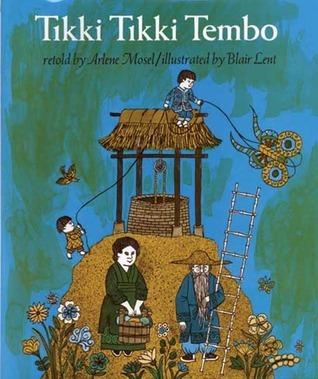
In ancient China, the villagers gather at the edge of a newly dug well. Fathers and mothers stand proudly under the sun, while elders murmur blessings. The community watches as the firstborn son moves to receive his name.
The father announces, “Chang must jump up and down,” and the little boy does so, filling the air with his laughter. Everyone claps, and the father places a simple name upon his head. They lower the bucket into the well, and the first bucket of water splashes onto Chang’s feet. It marks both his naming and the well’s blessing.
After the ceremony, mothers wrap Chang in silk and lead him toward home. Villagers chat about seasons, harvests, and the boy’s bright future. The name is short, easy to call out across fields.
Yet the empty well glistens at midday, reminding everyone that one day it will bring life and, possibly, danger. No one speaks of that now, caught up in the thrill of celebration and the simple joy of Chang’s name sounding across the valley.
2. Tikki Tikki Tembo’s Long Name
The next year, the well stands deeper and wider. The villagers feel its pull but still fear nothing. Now the father announces a new naming.
This time he calls out: “Tikki tikki tembo-no sa rembo-chari bari ruchi-pip peri pembo!” The villagers tilt their heads, struggling to repeat the syllables. The boy echoes them back, full of pride. His name is long and lyrical. It rolls like a song.
They dunk the bucket again. Water splashes higher this time. Mothers giggle at the sheer length of the name. Some old men scratch their beards, muttering that a short name saved time and breath.
Still, the ceremony ends in applause. Tikki Tikki Tembo glows with joy. He dances under the sun, announcing his own name again and again until the echo fades among the rice paddies.
3. The Brother’s Fall
One morning, Chang wanders too close to the well’s edge. He leans over, poking at the bucket rope. His foot slips on wet clay. In an instant, he topples into the well.
Chang’s scream bounces off the walls of earth. Villagers hurry to the brink, shouting his name. Yet the well is deep, cold. No one can reach the frightened boy.
Their hearts pound as they lower the bucket. They fetch a ladder, but it won’t fit. They try ropes, poles, even baskets. Chang clings to the damp wall, tears mixing with trickles of rainwater.
At last, the villagers haul him up. He emerges dripping but safe. He thanks everyone merely with a whisper of his single-syllable name. Relief floods the crowd, and they carry him home on moist blankets, vowing never to let such a thing happen again.
4. Tikki Tikki’s Plunge
Months pass. Spring brings blossoms. While playing near the well, Tikki Tikki Tembo leans too far over. His long robe flutters. He loses his balance.
With a startled cry, he, too, tumbles into the dark shaft. The bucket’s creak echoes as villagers gather once more. Their smiles vanish in an instant.
They shout his full name up and down the clearing, hoping he’ll recognize its sound. But the boy cries only for help. They lower the bucket and ropes. Yet every plea for him to hold on is lost in the wind.
Fathers test pole after pole. Mothers mop their brows. No tool is long enough. They shrink back, chests heaving. The well’s gloom seems endless now, swallowing hope with every second.
5. The Grand Rescue
An old man arrives from the next village. He surveys the crowd. Without a word, he strips his cloak and ties it to a long pole.
With steady hands and soft words, he lowers it into the well. Tikki Tikki Tembo grips the fabric. The old man lifts him gently, inch by inch. The villagers hold their breath until the boy emerges, blinking in sunlight.
No one cheers. Instead, hushed whispers sweep through the crowd. They stare at the old man and then at each other, regret heavy in their eyes.
The father kneels before his son. He touches the boy’s dripping hair and says softly, “From today on, I give you a new name.” The villagers nod, understanding. The long name falls away like water from Tikki Tikki Tembo’s sleeves.
Characters
1. Tikki Tikki Tembo-no Sa Rembo-chari Bari Ruchi-pip Peri Pembo (Protagonist (elder brother))
“Tikki tikki tembo-no sa rembo-chari bari ruchi-pip peri pembo!”
Tikki Tikki Tembo carries a name that stretches like a river through the air. He adores hearing each syllable roll from lips. His wide eyes shine when the villagers whisper his full name. He stands proud, even when the syllables trip over themselves.
Under his long name lives a curious boy who loves to explore. He wanders close to the well’s edge, unafraid of its depth. His spirit remains unbroken after his fall. Instead, he learns patience and respect for simple words. In the end, he greets his shorter name with a grin.
2. Chang (Key Supporting Character (younger brother))
“Chang must jump up and down!”
Chang holds a short, clear name that men sing easily. He admires his older brother’s flair but values his own name’s simplicity. He watches his brother parade around the village with quiet awe, sometimes trying to repeat the long syllables himself.
Chang learns caution early. After he slips into the well, he clings to the earthen wall until help arrives. His rescue teaches him that a simple name may matter less than a steady head and helping hands. He remains gentle but wiser from the ordeal.
3. The Father (Authority Figure)
“From today on, I give you a new name.”
The father stands at the ceremony’s center. He holds the power of naming, a tradition passed through generations. His voice rings clear when he proclaims names—short or long. He believes names grant honor, fortune, or folly.
After his younger son’s rescue, he questions the old tradition. He sees how the long name nearly trapped his elder son forever. In the cool light of regret, he bows to his child and bestows a new, shorter name. Through this act, he shows that love guides decisions more than tradition.
4. The Mother (Supportive Parent)
“No child should fear his own name.”
Ever watchful at the edge of the ceremony, the mother murmurs blessings under her breath. She supplies silk wraps and sweet cakes for each boy. Her smile grows with each clap, yet she senses risk lurking in laughter.
When her sons fall, she feels their pain in her bones. She kneels to smooth their damp robes, whispering words of comfort. Her embrace reminds them that safety can outshine ceremony. Through her gentle presence, the story finds its warmth beyond the echo of names.
5. The Wise Old Man (Rescuer)
“Hold tight, child. I’ve seen wells before.”
The old man comes without fanfare. He carries neither title nor trumpets—only a cloak and a long pole. His gray hair flutters in the breeze, his eyes calm as still water. He watches the crowd’s panic before stepping forward.
With quiet skill, he ropes his cloak around the pole and lowers it. He speaks softly to Tikki Tikki Tembo as he hauls him up. No one asks his name. His act alone shapes the tale’s end. By rescuing the boy, he teaches the village that wisdom often appears in unassuming forms.
Themes Analysis
1. The Burden of Tradition
The story shows tradition’s power to shape identity. Grand ceremonies can impress, but they may also blind us to common sense. The father’s choice of a long name springs from respect for age-old customs. Yet when danger strikes, that same tradition becomes a peril.
By the end, the father reverses his decision. He opts for the safety of a short name, acknowledging that customs must bend to love and reason. The tale suggests that we honor tradition but remain ready to change it when it harms those we cherish.
2. Power of Language
Every syllable of Tikki Tikki Tembo’s name carries rhythm and history. The villagers delight in its melody until it becomes a hindrance. The story highlights how language can both connect and divide. A name bridges the child to his culture but separates him when time is vital.
Once the villagers grasp this, they learn to value words not by their beauty but by their clarity. The rescue hinges on a short, spoken command rather than poetry. Thus the tale teaches that language must be balanced between art and purpose.
3. Community and Compassion
When Chang falls, the villagers rally quickly, lowering buckets and flashing ladders. Their unity conquers fear and darkness. They carry him home on woven blankets, voices soft as prayers.
Yet when Tikki Tikki Tembo falls, panic returns. The same community freezes. Only the wise old man steps forward. His courage reminds everyone that compassion sometimes requires a single brave soul. The villagers learn that true community blends many hands with a listening heart.
Key Plot Devices
1. Repetition of Names
The repeated chanting of Tikki Tikki Tembo’s long name gives the story its rhythm. Each syllable draws out the narrative, building anticipation. Villagers slow to speak it reveal how form can outweigh function.
Yet that very repetition becomes a barrier during the rescue. Repetition here teaches both story and reader that what delights in one moment may endanger in the next. It stands as a lesson: craft and clarity must coexist.
2. The Well
The well sits at the story’s heart. It promises life, water for fields and families. But it also hides a yawning abyss. This duality mirrors many real tasks—tools we need can also harm us.
By sending both brothers down the same well, the narrative shows how danger can strike twice. The villagers learn that they must respect the well’s power rather than merely celebrate it. Their approach changes from ceremony to caution.
3. The Rescue Pole
The old man’s simple pole and cloak form a humble tool. While ladders, buckets, and ropes fail, this makeshift lifeline succeeds. It symbolizes ingenuity overcoming traditions that no longer work.
Through this device, the tale honors quiet wisdom over pompous displays. The rescue pole becomes a metaphor for finding new solutions when old ones collapse. It reminds readers that sometimes the simplest tool carries the greatest power.