Summary
Failed to generate raw summary.
Detailed Summary
Plot Summary
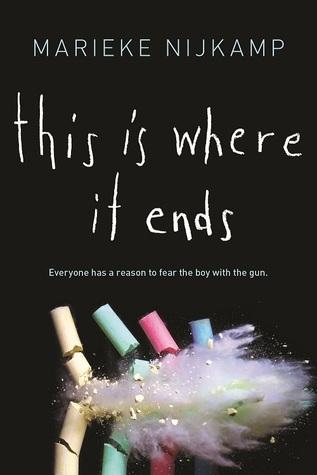
1. The First Bell and Sudden Lockdown
Opportunity High School’s morning starts like any other. Autumn during mayhem of dialing into her morning class makes final preparations for her college audition performance. Meanwhile, her best friend, Claire, fills the art studio with chatter as students sketch and joke, unware of the storm approaching their school.
At 8:15 a.m., a single gunshot echoes through the hallways. Doors slam shut as teachers lock classroom entries and switch lights off. Panic flares: students huddle under desks, some crying, others desperately texting parents for help.
Taran enters physics class late and nearly walks into a corridor of terror. He hears muffled screams and the clatter of fallen papers. Recognizing the gravity of the moment, he helps barricade the door before making eye contact with his teacher, signaling that something dire is unfolding.
By fifteen minutes into the morning, the entire school is sealed. From Hall A to the auditorium, whispers grow frantic. And so the day that was supposed to run its usual course cracks open into unplanned darkness.
2. A Web of Voices in Crisis
Inside Room 112, Autumn’s voice narrates her terror. She steadies her breathing and records short video messages for her mother. With every breath she takes, she tries to acknowledge her fear but refuses to let it win her over.
Meanwhile, Taran’s narrator voice unfolds in Room 114. He comforts younger students, jabbing his knuckles lightly on the door to check stability. He calculates escape routes and keeps a tally of the wounded, suppressing his own mounting dread.
Josie, Autumn’s ex-girlfriend, hides outside the office with Claire. Their strained friendship impacts Josie’s courage. Tears glisten in her eyes. She wishes she could comfort Claire and leave the hallway, but she stays put, trapped by fear and loyalty.
Each voice adds a layer of tension. At the same time, school security monitors emergency calls and texts, assessing the shooter’s movements. The clock on the wall ticks punishingly slow.
3. Confronting the Shooter in Hallways
Tyler Browne, the lone gunman, prowls the corridors with calculated steps. He stops at doorframes to check if rooms are sealed. With each breath, he reminds himself of the pain he feels—pain he intends to redistribute.
Back in Room 112, Autumn hears the hollow click of the shooter reloading. She presses her phone’s camera to the keyhole, capturing evidence of his intent. She whispers words of apology to her mother should she not survive, storing them in her phone’s memory.
In Room 114, Taran hears a shout. He peers through a crack and sees Tyler’s silhouette under a dim hallway light. His heart pounds so hard he worries it might give him away. Yet he reaches for his phone to silently call 911, hoping his words get through.
The three voices—Autumn, Taran, Josie—intersect in these moments of pure dread. Each minute is a lifetime. Each echo feels like the final one.
4. Fractured Alliances and Unexpected Bonds
As time crawls past, friendships and rivalries shift shape. Claire, nursing a scraped knee, reaches out to Josie. Their old resentments melt into shared shock. She tells Josie, “I still care for you,” breaking her silence. And Josie grips her hand tighter than ever.
Taran notices the freshman next to him shaking silently. He offers water and a wry smile. The young student whispers thanks, convinced he’s the only one who cares. Immediately, knowing a moment of normal kindness in this nightmare matters more than words can convey.
Autumn’s voice cracks as she recites a poem she once wrote about hope. She imagines her classmates escaping. Her faith in them fuels her calm. And she records this final piece as an offering: “I love you all, fight for each other.”
In these cramped spaces, the boundaries between enemies and friends vanish. Survival depends on unity more than anything else.
5. A Desperate Negotiation
At the fifteen-minute mark, school administrators struggle to engage Tyler over the PA system. They offer to meet his demands—counseling, recognition of his suffering—if he spares lives. Their voices quiver with tension, masking the fear that each plea might provoke more violence.
Taran intercepts an attempt to bolt open the door. He stops a younger student from nosing into the hallway. He whispers a plan: “We’ll help you, just stay calm.” Their exchange, silent yet urgent, shows that in crisis, leadership can come from unexpected places.
Autumn’s quiet defiance turns tactical. She texts coordinates of hidden supplies—tissues, bandages—to Claire and Josie, guiding them to lifesaving gear. Each instruction risks detection, yet she chooses to act rather than freeze.
Outside, emergency teams assemble in the lot. They receive conflicting updates from frantic calls. Each second ticks like a countdown to tragedy or triumph.
6. Sacrifice and Final Rescue
As seconds stretch beyond an hour, resources dwindle. A wounded teacher in Room 112 gasps for air. Autumn wraps her scarf around his bleeding wrist, murmuring, “Hold on, I’m here.” Her calm touch steadies him more than any medical training might.
Taran urges his group to follow his lead when he hears a plan broadcast over the intercom: “Stand by for coordinated entry.” He glances at each of them, seeing fear and resolve collide. “We move at my count. Trust me.” Their nods signal faith in his steadiness.
A single breach explodes into sirens and shouted orders. Officers swarm the hallway where Josie and Claire cower. The girls hug each other as the lights blaze on. And in that glare, Josie sees Claire’s tear-stained face and knows they are alive.
Amid the chaos, Autumn emerges with paramedics supporting her friend. She steps into the corridor, blinking in the fluorescent light. She looks at her phone, sees the unsent messages she recorded, and finally allows herself to weep.
7. Aftermath and Lingering Echoes
In the days that follow, the community gathers for a memorial assembly. Taran stands at the podium first, recalling the names of those they lost. His voice cracks but never quits. He reminds everyone that each life mattered more than minutes.
Autumn refrains from the spotlight. Instead, she pens an online tribute for her friends. Her words speak of hope and resilience. She closes with a vow: “We will honor your memory every day.”
Josie and Claire rebuild their friendship anew. Over coffee and lingering tears, they promise to speak more openly. Their apology becomes a pact to cherish each moment.
The school instals therapy sessions and new safety measures. And while the hallways will never feel the same, the survivors find reasons to believe in life again.
Characters
1. Autumn Markham (Protagonist, senior student and aspiring cellist)
“I promise if I don’t make it out, know I loved you all more than any song I could play.”
Autumn narrates the first hour of the shooter’s rampage through brief video logs. She’s known for her analytical mind, stringently preparing for her college audition. Even as fear tightens around her, she uses her recording app to craft messages of hope and apology, revealing her deep empathy and sense of responsibility.
Her calm voice rises and falls like a practiced melody. She refuses to let panic rule her, and each recorded message becomes part testimony, part love letter to her friends and family. By focusing on helping others—directing classmates to supplies, tending to the wounded—she shows that courage can look like compassion.
Quote: “I promise if I don’t make it out, know I loved you all more than any song I could play.”
2. Taran Matharu (Key supporting character, senior and de facto leader in Room 114)
“Stay low, stay quiet, and trust me when I say we’ll see today’s sunset together.”
Taran is the life-of-the-party type before the shooting, cracking jokes in physics class. But when chaos erupts, he shifts into leader mode. He organizes students into silent work teams, checks door locks, and drafts escape plans. His ingenuity and level head save lives.
Underneath his jokes, Taran harbors anxiety about disappointing his immigrant parents and surpassing their expectations. In crisis, he channels that drive into protecting others rather than himself. His actions reveal that heroism can be born from hard-earned selflessness.
Quote: “Stay low, stay quiet, and trust me when I say we’ll see today’s sunset together.”
3. Josie Cormier (Supporting character, Autumn’s ex-girlfriend)
“I know I messed up, but I’m right here. I won’t let go.”
Josie keeps her walls high—back when she and Autumn were together, she was the one avoiding closeness. Yet during the lockdown, she acts on instinct. When Claire collapses from a fall, Josie stays to help, ignoring the urge to flee. Her loyalty surfaces under fire.
Her guilt over their breakup pushes her to atone by supporting Autumn’s friends. In the hallway, she presses her back against a locker to hide from the shooter but also reaches out to Claire’s trembling hand. Josie demonstrates that redemption can grow from regret.
Quote: “I know I messed up, but I’m right here. I won’t let go.”
4. Claire Wilson (Supporting character, artist and close friend of Autumn)
“If this is the end, let them remember me by the beauty I left behind.”
Claire sketches landscapes and prefers paintbrushes over phones. When the lockdown begins, her hands shake too much to draw. So she clutches Josie’s arm, tears blurring her vision. She’s terrified of dying before sharing her art with the world. Yet in confinement, she learns to speak instead of hide behind her canvas.
Her fear slowly gives way to resolve. By offering her water bottle to a younger student, she discovers that even small kindnesses have power. Claire’s arc shows that bravery can blossom when vulnerability meets action.
Quote: “If this is the end, let them remember me by the beauty I left behind.”
5. Tyler Browne (Antagonist, troubled former student turned shooter)
“They never saw me. Today, they’ll all see me.”
Tyler carries scars—bullying, isolation, and whispered rumors. He enters the school intent on revenge, firearm concealed. His narration is dark and fractured: he recounts his pain without fully explaining it, leaving readers to piece together the why.
His actions speak louder than words. When he patrols the halls, he mutters lines about justice for his lost reputation. Behind each shot lies a plea for attention. Tyler illustrates how silence and neglect can warp into violence.
Quote: “They never saw me. Today, they’ll all see me.”
6. Principal David Carter (Key supporting character, school administrator)
“I failed to protect you. I’m so sorry.”
Principal Carter frantically coordinates with law enforcement, using the PA system in hopes of negotiating with the shooter. His polished exterior cracks as he begs Tyler to stop hurting his students. Each plea comes out shaky.
He grapples with guilt and the weight of responsibility. After the siege ends, he spearheads memorial services and policy changes. Carter’s journey underscores how leadership can demand both humility and grit.
Quote: “I failed to protect you. I’m so sorry.”
Themes Analysis
1. Courage Amidst Fear
This Is Where It Ends shows that courage isn’t the absence of fear but acting despite it. Autumn records apologies and love letters in the face of imminent death. Taran organizes barricades though he fears they might fail. These acts underscore that heroism can emerge from ordinary students pushed beyond their limits.
The novel asks readers to consider what they would do in a split-second crisis. Would they keep their heads, help a stranger, or freeze? By focusing on individual choices—texting a friend, carrying water, hacking a lock—the story reveals small acts can add up to something heroic.
Ultimately, courage here is communal. Each student’s bravery feeds into the group’s chance to survive. The narrative reminds us that solidarity amplifies individual hearts.
2. Trauma and Healing
The novel doesn’t end with the last gunshot; it lingers in halls and hearts. Survivors must navigate grief, guilt, and the “why me” nightmares. Autumn’s online tribute and Taran’s memorial speech become steps toward communal healing.
Nijkamp portrays therapy sessions, family conversations, and public memorials. She shows that healing is neither linear nor quick. Instead, it involves painful acknowledgments and shared stories. The survivors learn that talking about loss can lay stones in the path toward peace.
By depicting both immediate survival and long-term recovery, the book humanizes trauma. It insists that healing, like courage, requires community.
3. The Power of Voice
This Is Where It Ends uses multiple narrators to emphasize that every voice matters. Autumn, Taran, Josie, and Claire each tell a piece of the story. Their perspectives overlap and diverge, demonstrating how truth emerges from many angles rather than a single one.
Tyler’s chilling narration reminds us that silence can cloak deep wounds. When people don’t speak up—about bullying, mental health, or injustice—despair can grow. The novel thus becomes a call to listen and engage before it’s too late.
Moreover, the act of speaking—whispering pleas, recording videos, texting for help—becomes lifesaving. Nijkamp shows that sharing your voice, even when fear screams at you to stay silent, can transform tragedy into testimony.
Key Plot Devices
1. Multiple First-Person Perspectives
By shifting between four student narrators and the shooter, the novel crafts a mosaic of experiences. Each perspective adds texture: Autumn’s calm precision, Taran’s quick thinking, Claire’s emotional honesty, and Josie’s loyalty. Together, they depict the crisis in full spectrum.
This device deepens empathy. Readers live the lockdown through varied lenses, understanding how fear and hope coexist differently in each mind. It also underscores the theme that no single story can capture a trauma so collective.
2. Real-Time Timeline
The narrative unfolds over sixty minutes, tracking each tick of the clock. This minute-by-minute structure heightens tension and forces readers to inhabit the survivors’ agony as they wait, plan, and pray.
Time’s relentless march becomes a character. It pressures students to make life-or-death decisions in seconds, showing how quickly life can pivot. And by anchoring the entire story within one hour, the novel underscores how ordinary routines can shatter in a heartbeat.
3. Text and Media Integration
Students text each other updates, emergency responders receive frantic calls, and Autumn films video logs. This integration of modern communication channels grounds the story in today’s world.
It also amplifies realism. When a text goes through, hope flares. When it fails, terror deepens. The stakes hinge on cellular signals, battery life, and quiet typing. By weaving technology into the plot, Nijkamp illustrates how our tools can save lives—or leave us feeling more isolated.