Summary
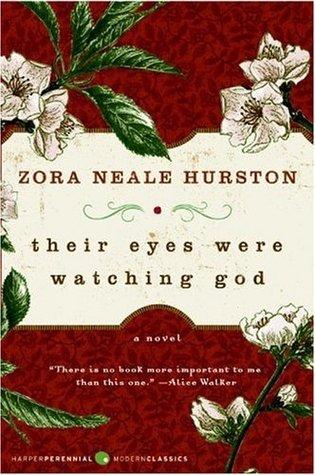
Their Eyes Were Watching God by Zora Neale Hurston follows Janie Crawford’s journey to find her own voice and identity in early 20th-century Florida.
Born on her grandmother’s porch, Janie grows up wondering about love and freedom. Her grandmother, Nanny, sees marriage as Janie’s ticket to security. Nanny’s own painful history drives her to push Janie into a safe match rather than the passionate life Janie imagines.
At sixteen, Janie reluctantly marries Logan Killicks, a landowner Nanny picks for her. She hopes for romance but finds Logan cold and demanding. Field work under the burning sun feels like chains rather than choice, and Janie wonders if security is worth the cost of her spirit.
When Joe Starks, an ambitious drifter, rolls into town on a mule-drawn wagon, Janie glimpses an escape. His promises of power and respect in Eatonville, an all-Black town, lure her away. She leaves Logan behind and steps eagerly into Joe’s grand vision.
In Eatonville, Janie watches Joe rise from outsider to mayor and storekeeper. He builds a store, hires workers, and carves the town’s future. But his dream eclipses Janie’s. Joe insists she sit high on a porch swing, silent and ornamental, to prove his status.
Janie chafes under Joe’s requirements. She longs to speak up but Joe scolds her for risking his authority. He mocks her hair and her friends, making sure she never forgets her place. With every harsh word, Janie’s hope wanes.
After years behind the store’s counter, Janie finally finds her own voice and agency the day she hits Joe in public. The blow isn’t just at him—it’s a strike for her own freedom. When Joe falls ill and dies, Janie feels both grief and relief wash over her.
Widowed and free, Janie contemplates life without a man’s control. Though older and wiser, she still longs for love. She tests the waters of independence before fate crosses her path again in the shape of Vergible “Tea Cake” Woods.
Tea Cake sweeps Janie into a whirlwind of laughter, music, and blackberry picking in the Everglades. He plays checkers, teaches her to shoot, and treats her as his equal. For the first time, Janie feels both loved and respected.
They marry on a lark, leaving Eatonville for the muck where migration workers gather. Life in the fields bonds them through long days and firefly-lit nights. Janie feels alive, her hair loose in the breeze, her heart full of purpose and joy.
Hurricane season brings disaster. A monstrous storm crashes through the Everglades, uprooting trees and flooding camps. Tea Cake risks everything to save Janie, and they cling to a dark riverbank as winds howl and water rises.
When the storm finally subsides, they find the world unrecognizable. Homes lie in ruin. Plantations that once bustled now look deserted. Tea Cake and Janie cling to each other as they begin the labor of recovery.
Tragedy returns when Tea Cake contracts rabies after fending off abandoned dogs. Fever and madness grip him. Janie nurses him through delirious nights, but the disease turns him violent. In self-defense, Janie shoots him to save her own life.
Grief floods Janie’s soul as she sits beside Tea Cake’s grave. She weeps for the love they had and the life stolen by fate. The trial that follows clears her of wrongdoing, for everyone senses the depth of her sacrifice.
Janie returns to Eatonville at dusk, carrying memories rather than burdens. She walks to her old porch, where curious neighbors cluster. She settles back on the swing, her hair loose again, and tells her story with a calm that comes from having lived and loved deeply.
Detailed Summary
Plot Summary
1. Janie’s Early Years and Search for Identity
Janie Crawford grows up under the care of her grandmother, Nanny, who rescues her from childhood neglect. Nanny, having suffered her own hardships under slavery and poverty, wants to secure Janie’s future. She teaches Janie that security and respect come through marriage to a stable man rather than waiting for love.
Janie dreams of romance after recalling a moment under a pear tree when she felt the world awaken around her. That vision sets her apart from other girls in the black community of Eatonville, Florida. Nanny, however, hears none of it. She arranges Janie’s marriage to Logan Killicks, a wealthy older farmer, hoping he will protect and provide for her.
Janie enters the marriage reluctantly. Logan treats her more like farm labor than a partner. As days pass, Janie realizes she traded her dream of love and fulfillment for a life of toil and loneliness. She begins to question Nanny’s wisdom and the meaning of security without passion.
2. Leaving Logan for the Charismatic Joe Starks
When Joe ‘Jody’ Starks—a confident, young man with big city dreams—arrives passing through Eatonville, Janie feels drawn to his energy and vision. Joe plans to create his own all-Black town, and he invites Janie to share in his ambition. She agrees, hoping for respect and a fresh start.
In Eatonville, Joe rises quickly to power and becomes mayor, store owner, and de facto leader. He builds a grand store and a handsome house for Janie to display. Janie expects love but instead meets Joe’s drive for control. He forbids her participation in town affairs and silences her when townsfolk gather on the store’s porch.
Despite material comforts, Janie senses she has once again lost her voice. Joe’s public image shines, but behind closed doors, he belittles her. By the time Joe falls ill and later dies, Janie endures years of frustration. Yet his death liberates her, and she finds the courage to speak and seek true companionship.
3. Finding Love with Vergible ‘Tea Cake’ Woods
After Joe’s death, Janie inherits his estate and sets out freely. In Orlando, she meets Tea Cake—a younger, playful man who treats her as an equal. He invites Janie to gamble, fish, and hoe beans alongside him. For the first time, she experiences laughter and genuine affection.
Tea Cake challenges Janie’s assumptions. He teaches her to shoot, fish, and play games. Their romance blossoms against the backdrop of migrant labor camps, where Janie discovers solidarity with other workers and a profound sense of belonging. Tea Cake insists they marry, deepening their bond and protection.
This relationship fulfills Janie’s vision under the pear tree. She exchanges freedom for mutual love and respect. Even though friends warn her about Tea Cake’s flaws, Janie trusts her heart. She accepts risk for the first time, glad to fill the emptiness left by her earlier marriages.
4. The Everglades and Tests of Faith
Janie and Tea Cake move to the Everglades, called the “Muck,” where seasonal jobs bring Black workers together. At first, Janie worries about their safety in a harsh environment. But Tea Cake wins her over as they share sunrise walks and late-night card games under oak trees.
Their life flows with the rhythms of planting and harvest. Janie gains confidence working the fields and selling beans. Villagers admire how Tea Cake and Janie laugh together as equals. Neighbors regard this marriage as a gift to their community.
Yet envy and gossip arise—some fear Tea Cake’s influence over Janie’s wealth. A jealous friend betrays them in a card game, leading to Tea Cake’s brief arrest. Despite setbacks, Janie’s faith in their bond deepens. She stands by Tea Cake when legal troubles threaten to tear them apart.
5. Hurricane, Loss, and Janie’s Return
A fierce hurricane descends on the Muck. Tea Cake insists they flee but soon returns to rescue stranded neighbors. Janie follows him into the floodwaters. They cling to a tree during the storm’s height, witnessing others washed away.
After the storm, violence breaks out among survivors fighting for food. In defending Janie, Tea Cake is bitten by a rabid dog amid the chaos. He contracts rabies. His illness transforms him—paranoid and dangerous. To protect herself, Janie shoots him in self-defense.
Greatly heartbroken, Janie returns to Eatonville. Though shaken, she feels the fullness of life’s joys and sorrows. She keeps the memory of Tea Cake alive, content with the love she finally found and the lessons she learned about freedom, voice, and selfhood.
Characters
1. Janie Crawford (Protagonist)
“There are years that ask questions and years that answer.”
Janie narrates her own story in retrospect, sharing the lessons of her three marriages and her quest for identity. She begins life as an orphaned girl with big dreams of love. Over time, her yearning for respect and devotion drives her choices.
Through hardship and heartbreak, Janie grows into an independent woman with a strong sense of self. She learns when to speak and when to listen, to trust her inner voice. By the end, Janie stands grounded in her own truth—unafraid to love and to lose.
“Ships at a distance have every man’s wish on board.”
2. Nanny Crawford (Grandmother and Guardian)
“Ah been a delegate to de big ‘ssociation of life.”
Nanny embodies the generation shaped by slavery’s aftermath. She rescues young Janie and marries her off to secure financial safety. Nanny values land, respect, and shelter above personal dreams.
Though loving, her view of security clashes with Janie’s longing for romance. Nanny’s choices reflect fear and caution. Their conflict highlights Janie’s struggle between duty and desire.
“She was seeking confirmation of the voice and vision, and everywhere she found and acknowledged answers.”
3. Joe ‘Jody’ Starks (Second Husband and Town Leader)
“You don't know half of what you're talking about.”
Charismatic and ambitious, Joe builds Eatonville into a landmark Black town. He wins respect through speeches and enterprise. To townsfolk, he embodies progress.
Behind closed doors, Joe demands Janie’s silence, treating her more like a trophy than a partner. His need for control suffocates Janie’s spirit. Joe’s death frees her voice, though she grieves the love she never received.
“He looked like the love thoughts of women.”
4. Vergible ‘Tea Cake’ Woods (Third Husband and True Companion)
“Ah wanted things sweet wid mah marriage lak when you sit under a pear tree and think.”
Tea Cake arrives in Janie’s life full of joy, telling jokes, dancing, and playing banjo. Younger than Janie, he treats her as equal, encouraging her growth. He shares adventure and hardship in the Everglades.
Their marriage shows mutual respect and passion. Tea Cake teaches Janie life skills and values laughter over pretense. Even after calamity strikes, Janie treasures every moment with him.
“He looked like the love thoughts of women.”—(also used earlier?)
5. Pheoby Watson (Best Friend and Confidante)
“I’m uh heap stronger’n you is, Janie. Ah owns myself.”
Pheoby listens to Janie’s story from the start. She welcomes Janie home with open arms and an open mind. Through her eyes, readers frame Janie’s journey.
Pheoby’s steady presence encourages Janie to speak honestly. She defends Janie from gossip and holds her accountable. Pheoby represents the caring community that hears and honors women’s voices.
“She could see the pain worrying on her friend’s face.”
Themes Analysis
1. Search for Self and Voice
Janie’s journey represents the struggle to find one’s identity amid societal expectations. At each marriage stage, she loses a piece of herself—first to security, then to status. Only with Tea Cake does she reclaim her voice and desires.
Hurston suggests selfhood emerges when we balance personal dreams with real-world challenges. Janie learns that fulfillment comes from speaking one’s truth and choosing love over safety. Her final reflection marks a woman who owns her story.
2. Love versus Security
Hurston contrasts two forms of love: transactional and heartfelt. Logan provides security but starves Janie’s heart. Joe brings prestige yet denies her equality. In both, Janie sacrifices her inner life.
Tea Cake offers risk and joy. Their bond shows love’s power to heal and transform. Janie accepts uncertainty for genuine partnership. The novel argues that true security lies in authentic connection rather than material comfort.
3. Nature as Reflection of Inner Life
The pear tree symbolizes Janie’s idealized romance—blooming with promise. Its image recurs when she experiences passion. Similarly, storms illustrate life’s uncontrollable forces and human resilience.
The Everglades become a living classroom. Under its sun and soil, Janie learns survival, solidarity, and humility. Nature’s cycles mirror her growth from naive girl to self-possessed woman.
Key Plot Devices
1. The Pear Tree Vision
Early in the novel, Janie’s observation of a pear tree in bloom sows her romantic ideals. She equates its harmony to the marital love she craves. This vision guides her choices, highlighting the gap between dream and reality.
Each marriage tests her against the tree’s promise. By finally living a love that echoes that vision with Tea Cake, Janie completes her arc. The pear tree anchors the novel’s exploration of feminine desire and fulfillment.
2. The Hurricane
The storm in the Everglades serves as a literal and metaphorical climax. It destroys crops, homes, and illusions. In surviving the hurricane, Janie confronts nature’s fury and human frailty.
Brushes with death deepen Janie and Tea Cake’s bond but also trigger tragedy when Tea Cake becomes rabid. The hurricane resets their world, stripping away earthly concerns and revealing raw human impulses.
3. Hurricane Aftermath and Rabid Bite
Amid post-storm chaos, a rabid dog attacks Tea Cake. His ensuing illness transforms him into a threat. Janie’s act of shooting him out of self-defense forces her to face loss anew.
This device tests Janie’s strength and loyalty. In defending her life, she violates the promise of enduring love. Yet she emerges with the hard-earned conviction that survival sometimes demands impossible choices.