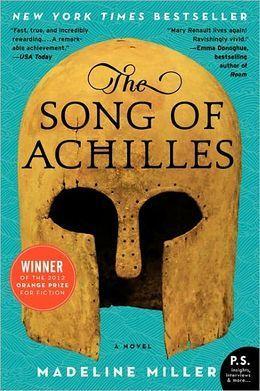
Summary
In The Song of Achilles, Madeline Miller retells the legend of Achilles through the eyes of Patroclus, an awkward prince exiled to the court of Peleus in Phthia. From their first meeting, the two boys form an unlikely bond. Achilles, son of the sea goddess Thetis and King Peleus, shines with beauty and strength. Patroclus, awkward and unsure, finds comfort in Achilles’ easy confidence.
Patroclus arrives at Phthia after accidentally causing a prince’s death. Ashamed, he accepts Peleus’ offer of a home and lives under Achilles’ roof. At first, Achilles ignores him. Yet necessity and curiosity draw Patroclus out of his shell. As they train and spar, laughter follows their shared hardships.
One day, a satyr named Chiron visits. He teaches the boys to hunt, heal, and read the stars. In the wild caves of Mount Pelion, their friendship deepens. Chiron warns them of fate’s cruelty but offers no respite. Hidden among the pines, Patroclus realizes his love for Achilles is no mere brotherhood.
Back in Phthia, court life shifts. Princess Iphigenia arrives for a neighboring alliance. Achilles courts her with charm that sends nobles murmuring. Patroclus recoils at the lofty world of palace intrigue. While Achilles dances at feasts, Patroclus serves quietly, watching the prince’s laughter crack open his lonely heart.
Then the call to Troy resounds. Agamemnon gathers Greek princes for war against the city. Achilles, bound by prophecy, must choose between a long, quiet life or glory that ends young. Thetis begs him to stay, but Achilles cannot resist fate’s fire. Patroclus volunteers to join him, determined to fight by Achilles’ side.
The Greek fleet lands on Trojan shores and tension roils under the sun. Wind-whipped sails and creaking oars echo with dread. Achilles dominates the battles, but Agamemnon seizes Briseis, Achilles’ war prize. Humiliated, Achilles withdraws to his tent, refusing to aid the Greeks further.
As days pass, the Greeks suffer. Patroclus pleads with Achilles to rejoin the fight. When the tide of battle threatens their comrades, Achilles stays distant. Still, Patroclus cares for the wounded in the camp. He tends bruises, offers wine, and whispers tales of home to keep spirits alive.
At last, Patroclus dons Achilles’ armor. He charges into the fray under a borrowed shield and helmet. His heart pounds with fear and necessity. He fights courageously, driving the Trojans back. Yet Hector, Troy’s greatest warrior, slays Patroclus before he can claim his victory.
When news of Patroclus’ death reaches Achilles, grief consumes him. He claws at the earth and howls at the sea. Thetis tries to comfort him, but she cannot soothe a wound so deep. Achilles vows revenge and reenters the battlefield with a fury unmatched.
In blazing bronze, Achilles hunts Hector before the gates of Troy. Their duel shakes the air. Achilles’ spear strikes true, and Hector falls amid Trojan tears. Achilles ties Hector’s body to his chariot and drags it in a brutal circle around Patroclus’ tomb.
Night brings quiet sorrow. Priam, Hector’s father, sneaks into the Greek camp to plead for his son’s body. In a candlelit tent, the two kings share grief. Achilles, moved by Priam’s love, grants mercy. He returns Hector to Troy and honors the dead with rites worthy of heroes.
After Troy, the war dwindles. Achilles sails homeward with Briseis, whose capture once sparked his rage. He marries her and fathers a son, Neoptolemus. Yet the Fates loom. Thetis, watching from the waves, knows that glory demands a price.
Fate strikes swiftly. Achilles meets his end on the shores of Scyros. An arrow, guided by Apollo, pierces his heel. Briseis wails, but nothing can undo the cruel sting of prophecy.
Patroclus, the former prince-now-fisherman, outlives his lover. He remembers their journey—from awkward exile to fierce love and tragic war. When his own life finally ebbs at thirty-six, he carries Achilles in memory.
At sea near Skyros, Patroclus honors the past. He scatters Neoptolemus’ ashes and whispers of Achilles to the waves. His song lingers on in every tide’s rise and fall. In love and loss, in glory and grief, their story endures.
Detailed Summary
Plot Summary
1. Childhood and Prophecy
Achilles grows up in Phthia under King Peleus. His mother, the sea nymph Thetis, tries to make him immortal. Achilles trains with Chiron, the wise centaur, and learns about war, music, and healing.
In these early years, he excels at every skill. He shows both fierce pride and deep curiosity. Meanwhile, prophecy looms: a child of Peleus will earn eternal fame but die young. Achilles hears rumours but dismisses them.
Thetis senses danger and keeps her son close. Still, Achilles craves glory. By the time he’s a youth, he knows a choice awaits: live long in obscurity or die young with honor. He does not yet grasp the full weight of that choice.
2. Meeting Patroclus
Patroclus arrives at Achilles’ court as a shamed prince, exiled after an accidental death. Achilles grants him refuge. They form a bond over shared exile and longing for home.
At first, Patroclus admires Achilles’ might and swiftness. He worries his friend’s pride might isolate him. Achilles, in turn, cherishes Patroclus’ gentle loyalty. He opens up about his fears and destiny.
Their friendship deepens into love, though they do not name it. They train together, laugh together, and share confidences. Their bond becomes Achilles’ anchor, softening his pride and giving his life new meaning.
3. Call to Troy
When Paris of Troy abducts Helen, the Greeks muster an expedition. Agamemnon, king of Mycenae, leads them. He summons warriors, including Achilles and Patroclus.
Achilles debates whether to join. Thetis warns her son of impending doom but cannot dissuade him entirely. Patroclus urges Achilles to go, wanting to stand by his side.
Finally, Achilles sails to Troy. He leaves his homeland and Thetis behind. Patroclus follows, bound by loyalty and love. Their journey marks the start of war and tests the strength of their bond.
4. War and Rising Tensions
On the shores of Troy, Achilles shines in battle. He drives back Troy’s forces, earning renown. Patroclus aids the wounded, forging ties with Achaean soldiers.
Agamemnon grows jealous of Achilles’ fame. When Briseis, Achilles’ captive prize, is seized by Agamemnon, Achilles feels dishonored. He withdraws from battle in fury.
Without Achilles, the Greeks suffer. Patroclus pleads with Achilles to return. Achilles remains stubborn. His absence shifts the war’s tide and foreshadows tragedy.
5. Patroclus’ Heroism
Seeing Greek losses mount, Patroclus dons Achilles’ armor to rally the troops. He charges into battle, slays noble Trojans, and breaches the city’s walls.
His bold stand saves the Greeks. But Hector, Troy’s champion, confronts him. In the confusion, Patroclus falls. Hector kills him, then strips Achilles’ armor in triumph.
News of Patroclus’ death shatters Achilles. Grief and guilt consume him. He vows vengeance on Hector, marking a turning point from pride to grief-driven fury.
6. Achilles’ Return and Rage
Overcome with sorrow, Achilles returns to battle with new ferocity. The Greeks fear him. The Trojans dread him.
He slaughters countless foes, seeking only Hector. Each act of violence echoes his pain. His rage becomes both his power and his curse.
At last, Achilles confronts Hector outside Troy’s gates. In a fierce duel, he kills Hector and then abuses the body, dragging it before the walls. He stands triumphant yet hollow.
7. Funeral of Patroclus
Priam, king of Troy and Hector’s father, sneaks into the Greek camp. He begs Achilles to return Hector’s body for proper rites.
Achilles recognizes shared grief. He releases Hector’s corpse and shares a tender moment with Priam, recalling his own father.
This act of compassion softens Achilles’ heart. Though he cannot undo his rage, he honors human loss above vengeance. It marks his final step toward peace with his fate.
Characters
1. Achilles (Protagonist)
My glory was this—to hate the things I loved.
Achilles, son of King Peleus and sea-nymph Thetis, stands unmatched in strength and swiftness. His destiny promises eternal fame at the cost of an early death. He begins proud and aloof, believing glory eclipses all else.
Through his bond with Patroclus, Achilles learns vulnerability and love. Patroclus tempers his pride and teaches him compassion. Achilles evolves from a single-minded warrior to a grieving friend who honors mercy in the war’s aftermath.
2. Patroclus (Key Supporting Character)
I’d rather give than receive. And I’d rather perish than live without you.
Patroclus arrives as a flawed exile, grieving the accidental death he caused. Gentle and empathetic, he contrasts Achilles’ fierce nature. His loyalty and kindness ground Achilles’ pride.
Patroclus grows from guilt to purpose. By aiding and defending others he redeems himself. His death becomes the emotional heart of the epic, driving Achilles to return and confront his fate.
3. Thetis (Supporting Mentor)
Your fate awaits, even here. You cannot wash away what the gods have decreed.
Thetis, a sea-goddess, loves Achilles fiercely. She tries to protect him by dipping him in the River Styx for invulnerability, though his heel remains mortal. She warns him of prophecy.
She embodies divine conflict, torn between her love and acceptance of fate. When Achilles suffers, she responds with tears and rage, yet she cannot alter the gods’ decrees. Her grief parallels her son’s.
4. Agamemnon (Antagonist (in conflict))
I will not yield my claim. Glory demands sacrifice.
Agamemnon, brother of Menelaus and leader of the Greek forces, craves authority and respect. His pride clashes with Achilles’ honor code. He seizes Briseis, igniting Achilles’ anger.
He represents political ambition and the flaws of leadership. Though a capable king, his envy and stubbornness escalate conflict. His eventual respect for Achilles’ choices hints at the complexity of war and honor.
5. Hector (Antagonist (Trojan Champion))
We do these things as men must, to protect what we love most.
Hector defends Troy with courage and duty. He fights not for glory alone but for home and family. His sense of responsibility mirrors Achilles’ sense of honor.
He respects Achilles even as they battle. His death at Achilles’ hands becomes a moment of tragic reflection, uniting foes in grief. Hector’s nobility underlines the war’s human cost.
Themes Analysis
1. Fate versus Free Will
The Song of Achilles weaves fate and choice through its characters. From Thetis’ warnings to the prophecy of Achilles’ death, destiny shadows every action. Achilles knows his end yet exercises his free will. He chooses honor over safety, love over glory.
This tension shapes the narrative. Achilles’ personal decisions—his withdrawal, his return, his mercy—illustrate how free will operates within a fated framework. The story asks whether knowing fate diminishes choice or intensifies meaning.
2. Love as Strength and Vulnerability
Achilles and Patroclus share a bond that transforms them. Love gives Achilles the strength to pity Priam and spare Hector’s corpse. Yet loss shatters him, fueling his rage.
The portrayal shows love’s dual power. It ennobles the warrior and heightens tragedy. Madeline Miller highlights how affection and friendship can define heroic deeds and tragic downfalls alike.
3. Honor and Glory
Honor drives Achilles’ every move. He rejects Agamemnon’s slight to preserve his dignity. His glory on the battlefield secures his legend. However, glory demands sacrifice—namely, his life.
The poem questions the worth of glory. Achilles attains everlasting fame but pays its toll in loss and grief. The tension invites readers to weigh personal bonds against public renown.
Key Plot Devices
1. Prophecy of Achilles’ Fate
The prophecy that Achilles will die young but shine forever guides his decisions. It introduces dramatic tension: he must choose between a long, quiet life and brief immortality.
This device shapes character arcs. Achilles’ awareness of his fate influences his proud retreat and later acceptance. It deepens every choice with the weight of mortality.
2. Briseis’ Seizure
Agamemnon’s taking of Briseis from Achilles sparks the hero’s withdrawal. This conflict stalls the Greek war effort and sets the stage for Patroclus’ intervention.
Briseis’ seizure illustrates the clash between personal honor and political power. It shows how human pride can alter the course of epic events, proving pivotal to the plot.
3. Patroclus Wearing Achilles’ Armor
Patroclus dons Achilles’ armor to rally the Greeks. His valor in Achilles’ guise misleads the Trojans, but it leads to his death by Hector.
This switch drives the climax. It brings Achilles back to battle in ferocious grief and ensures Hector’s duel. The device underscores themes of identity, sacrifice, and tragic consequence.







