SUMMARY
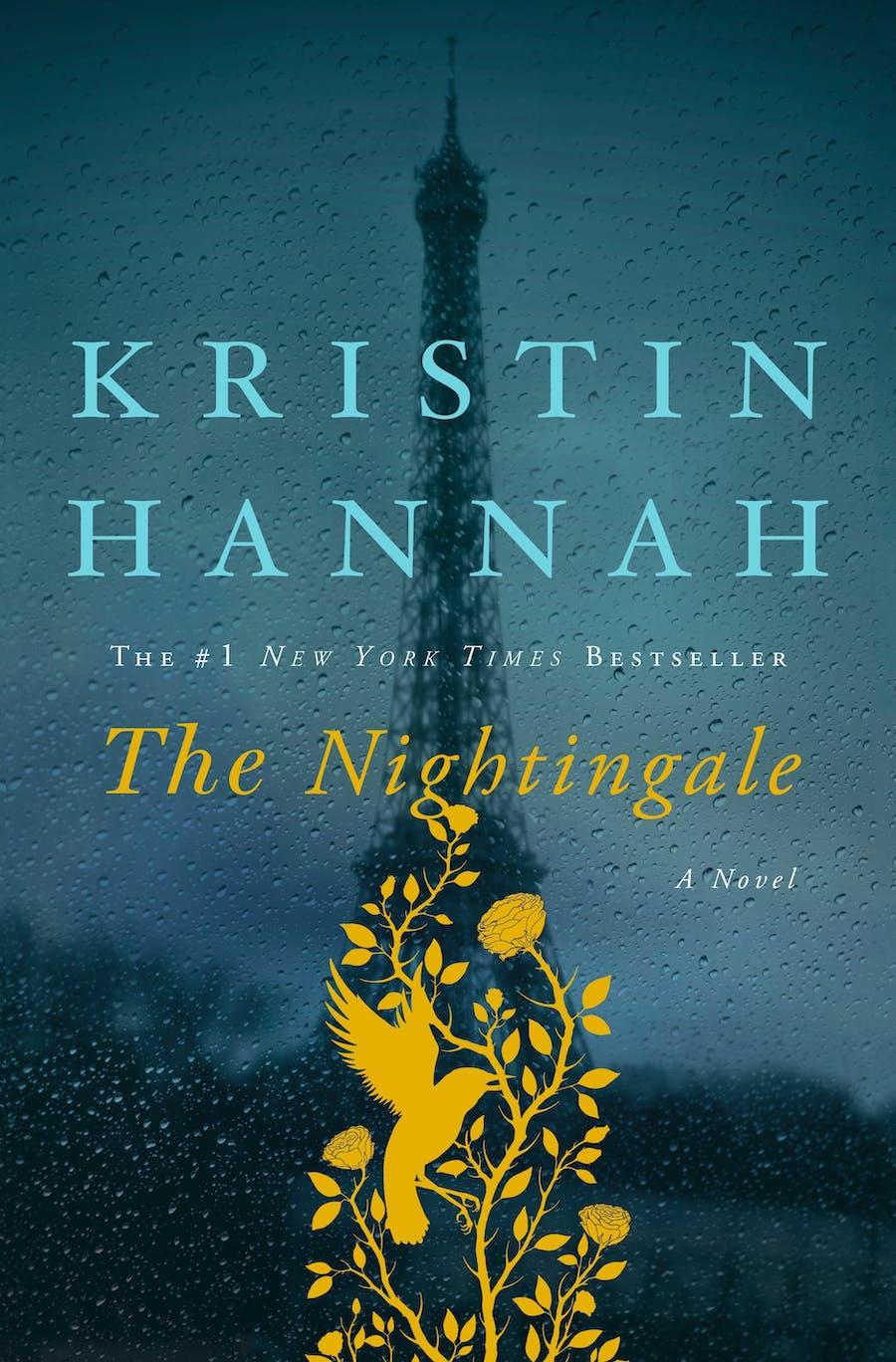
"The Nightingale" by Kristin Hannah follows the lives of two French sisters, Vianne and Isabelle Mauriac, during World War II. Vianne remains in their quiet village of Carriveau with her young daughter, Sophie, while her husband fights on the front lines. Isabelle, reckless and headstrong, lands in Paris after being expelled from numerous schools. Their bond has always been rocky, but the war forces them to reckon with each other in unexpected ways.
When German troops invade, Vianne’s world collapses. The occupiers quarter in her home, and she must surrender her house keys to Captain Beck. She endures the constant tension of hosting enemy officers, never knowing if any act of kindness or defiance will bring ruin on her family. Hunger stalks the villagers as food grows scarce and the Germans confiscate grain. Vianne struggles to protect Sophie and her elderly neighbour, Anouk, against the growing cruelty around them.
Meanwhile, Isabelle throws herself into the Resistance. She joins a network that smuggles downed Allied airmen over the Pyrenees into Spain. At first, she jumps at any chance for action, hungry for revenge after barely escaping a German detention camp for juveniles. She adopts the code name “Nightingale” and transforms from a rebellious teen into a fierce operative. With each mission, she sharpens her instincts and learns to trust new allies like Gaëtan, a young Resistance leader.
The sisters’ stories run in parallel until fate reunites them under dire circumstances. Vianne loses food rations when an airman she shelters disappears. The Germans suspect her of aiding the Resistance. They threaten Sophie’s safety and force Vianne into impossible choices. Each dawn brings fresh terror—raids, interrogations, and vigilante raids by collaborators. Still, she finds small ways to resist: slipping notes to neighbours, sharing what little she has.
Isabelle’s missions grow more dangerous as the Gestapo intensifies its hunt. She escorts pilots along icy mountain trails, dodges patrols, and battles frostbite and exhaustion. One night, after guiding a group to freedom, she narrowly escapes capture when the path behind her is swarming with German dogs. The experience hardens her but also gives her purpose. She sends coded postcards to Vianne, revealing where she hides Allied soldiers and begging for food scraps.
Their mother’s sudden death forces the sisters home. Tensions flare as Isabelle demands Vianne turn the family house into a safe house. Vianne hesitates—every extra person risks detection. Yet Isabelle is relentless. She arranges to bring downed pilots straight to their doorstep. Vianne hides them in the attic and barn, improvising medical care and ration cards. Every night, she lies awake listening for footsteps in the corridor.
A traitor’s betrayal shatters their fragile world. The Gestapo raids their village and seizes many locals. Isabelle is arrested during a delivery run and thrown into Fresnes prison. Vianne learns of her sister’s capture through a coded message delivered under cover of darkness. Horrified, she vows to free Isabelle even if it means betraying every rule she’s followed to survive.
In prison, Isabelle endures brutal interrogations. The guards beat her and starve her, determined to learn Resistance secrets. She endures because she believes Vianne will come. Meanwhile, Vianne marshals the courage to bribe Gestapo guards and forge release papers. She faces daily threats: Sophie falls ill, and everyone suspects Vianne’s role in the escapes. Still, she presses on, driven by love and guilt.
When the Allies liberate Paris, Vianne seizes her chance. She slips into the chaos at a prison near the city and stages a daring rescue. Disguised as a German nurse, she leads Isabelle out through a back gate during a blackout. Their escape is narrow—bullets whistle past—and they part ways at dawn to avoid detection. Both sisters stagger back to Carriveau, broken, relieved, and forever changed.
Postwar, the village lies in ruins. Vianne rebuilds her home, and Sophie grows into a strong, thoughtful young woman. Isabelle struggles to find her place in peacetime: her wartime defiance clashes with civilian life’s demands. She drifts from job to job, grappling with memories of loss and the guilt of those she couldn’t save. Vianne, ever practical, urges her sister to settle and find peace.
In the years that follow, the sisters reconcile. They open a small café together, a modest beacon of hope in a landscape still scarred by war. Vianne treasures her quiet life, and Isabelle gradually learns to laugh again. They keep their wartime acts secret from their neighbours, yet the shared memories bind them more tightly than ever before.
Decades later, an aging Vianne visits the ruins of the old prison. She carries Sophie’s daughter, now grown, on her shoulders. She recalls the terror she felt before dawn, when she risked everything to save her sister’s life. Isabelle, now an old woman living in Canada, receives Vianne’s letter describing the visit. She closes her eyes and breathes in the memory of cold stone corridors and clanking gates.
In the final pages, Vianne returns home to see Isabelle waiting at the train station. They embrace and cry for all they lost and all they survived. Their bond, forged in desperation and danger, remains unbreakable. They finally speak of those they mourn: the villagers taken, the pilots lost on the mountains, and the friends who never returned.
Kristin Hannah’s "The Nightingale" spotlights the hidden heroines of war. She teaches us that courage takes many forms—sometimes it’s a girl leading soldiers through snow, and sometimes it’s a mother who hides them at the risk of everything she loves. Both sisters show how ordinary people can do extraordinary things when evil threatens their world.
The novel ends with a whispered hope: peace might be fragile, but it can rise from the darkest nights. Vianne and Isabelle survive, and their story reminds us that love, loyalty, and bravery leave the deepest marks on history.
DETAILED SUMMARY
Plot Summary
1. Sisters at the Brink
In 1939 France, sisters Vianne and Isabelle Rossignol face diverging paths when war clouds their peaceful life. Vianne, the older sister, clings to routine in their quiet village of Carriveau. She teaches school and cares for her daughter, Sophie, striving to keep fear at bay.
Meanwhile, Isabelle’s fierce spirit leads her to Paris, where she engages in risky resistance work. She moves from one safe house to another, distributing leaflets and whispering hope. Her recklessness masks deep love for her homeland but brings constant danger.
As Germany invades, the sisters find themselves torn apart by choice and geography. Their bond strains under fear, loss, and different methods of survival. Yet each sister holds onto a flicker of hope that the other will stay safe.
2. Occupation and Sacrifice
German troops occupy Carriveau, forcing Vianne to host Captain Beck, an especially cruel officer. Daily life twists into a tightrope of obedience and quiet rebellion. Vianne hides her true feelings behind polite manners as she watches her village bend beneath the boots of soldiers.
Her marriage to Antoine disintegrates under the stress of occupation. He joins the Resistance and vanishes, leaving Vianne to manage the household alone. She grapples with fear, loneliness, and the moral complexity of aiding the enemy to protect her daughter.
As food and warmth dwindle, villagers turn in neighbors for small rewards. Vianne stands firm when authorities demand property and loyalty vows. Her silent courage grows, shaped by small acts—hiding messages in loaves of bread or risking her life to share a loaf with a hungry child.
3. Isabelle’s Flight
After a reckless act in Paris, Isabelle escapes to Carriveau when the Resistance network collapses. She arrives bruised, determined, and desperate for her sister’s protection. Vianne reluctantly shelters her, fearing the consequences of harboring a fugitive.
Isabelle’s return reignites old tensions. She resents Vianne’s cautious methods, while Vianne fears for Sophie’s safety under her sister’s volatile watch. Yet necessity overrides discomfort. Isabelle soon channels her zeal into guiding downed Allied airmen across the Pyrenees to freedom.
Each rescue mission pushes Isabelle closer to self-sacrifice. She forges false papers, relies on farmers’ kindness, and juggles guilt over the lives in her care. Every narrow escape becomes a testament to her stubborn bravery and the bond she still shares with her sister.
4. Hidden Resistance
As the war intensifies, Vianne transforms her home into a covert refuge. She shelters Jewish families, forges documents, and even nurses wounded Resistance fighters through the night. Fear remains constant, but compassion drives her forward.
Her involvement comes at high cost. Villagers whisper betrayal, and Nazi inspections grow harsher. Vianne hides behind polite smiles as soldiers rifle through cupboards. She distracts them with children’s drawings and stories of domestic life.
Through these acts, Vianne finds unexpected strength. Her transformation from teacher to clandestine helper parallels her sister’s overt rebellion. Both realize that resistance can wear many faces—and that everyday choices matter.
5. Storm of Loss
In 1943, bombings and reprisals sweep through rural France. Antoine’s fate remains uncertain, keeping Vianne suspended between hope and grief. Each morning, she steels herself to face another day of waiting.
Isabelle’s missions grow deadlier. A betrayal in a mountain pass sends her to a Gestapo prison in Paris. She endures interrogation, starvation, and isolation. Yet her spirit refuses to break. Letters smuggled back to Vianne carry whispered promises and coded hope.
Vianne, grappling with her sister’s capture, channels sorrow into purpose. She steps up rescue efforts and forges passes to free Isabelle. The boundaries between their methods blur, forging new alliances among villagers and fighters alike.
6. Liberation and Reunion
In 1944, Allied forces push German troops back across France. As Vianne’s networks guide survivors to safety, villages awaken from fear. Cassette radios crackle with news, and the Rossignol sisters sense liberation nearing.
Isabelle staggers back to Carriveau after a daring joint operation by the Resistance and Allies. Emaciated but unbowed, she collapses into her sister’s arms. Their reunion is raw—shaking tears, shaking bodies, shaking world order.
In the months that follow, Vianne and Isabelle rebuild their lives amid ruins. They bury friends, tend wounded survivors, and nurture hope. The war’s end brings relief, but memories linger. Their bond, reforged in fire, remains unbreakable.
Characters
1. Vianne Rossignol (Protagonist, mother, reluctant resistor)
“I’m not a hero. I just did what had to be done.”
Vianne begins as a cautious schoolteacher devoted to protecting her daughter and home. When German troops occupy her village, she expands her role into that of a covert resistor. She hides Jewish families, forges documents, and provides shelter for downed airmen. Each small act of courage chips away at her fear, revealing hidden reserves of strength and compassion.
Amid starvation, betrayal, and the threat of death, Vianne’s moral compass guides her. She weighs each risk, often questioning her choices but always acting to preserve life. Her journey highlights how generosity under pressure can be as revolutionary as armed conflict. Over time, she learns that true bravery arises from quiet determination rather than grand gestures.
2. Isabelle Rossignol (Protagonist, Resistance courier)
“They will never break my spirit. Never.”
Reckless, passionate, and fiercely independent, Isabelle rejects conventional roles from the start. She channels grief over her parents’ death into anti-Nazi activism. After a stint in Paris, she becomes a key figure in the Resistance network, guiding Allied airmen over the Pyrenees to safety. Her methods are bold, her risks high, and her spirit unbreakable—even when captured and brutalized by the Gestapo.
Isabelle’s fiery courage contrasts with Vianne’s measured caution. Yet her sister’s support becomes her anchor. Through imprisonment and torture, Isabelle clings to hope for France’s future. Her unwavering faith in human kindness fuels her actions, proving that rebellion can take many shapes.
3. Antoine Rossignol (Supporting character, Resistance member)
“I carry you in my heart every moment, Vianne.”
Antoine is Vianne’s husband, a gentle soul who believes in organized resistance. When war erupts, he enlists in the Resistance, leaving Vianne to manage their home and daughter. His letters offer comfort and guidance. Each message carries practical advice and tender reassurances that bolster Vianne’s resolve.
His absence casts a long shadow. Without him, Vianne faces danger alone, yet she draws strength from his faith in her. Though Antoine’s fate remains uncertain throughout much of the story, his presence permeates every act of resistance. His sacrifice underscores the story’s theme of love’s enduring power amid loss.
4. Rachel de Champlain (Supporting character, Jewish refugee)
“I dared to hope because you dared to act.”
Rachel arrives in Carriveau desperate to save her young son. Vianne hides her in a loft, sewing false identity papers by night. Rachel’s gratitude and terror mirror the plight of countless families hunted by the Nazis. Her soft-spoken fear contrasts with Vianne’s growing resolve.
Through Rachel’s eyes, readers glimpse the stakes of ordinary bravery. Her survival depends on neighbors who risk everything for her. Rachel’s bond with Vianne and Sophie transforms fear into trust, illustrating how compassion can forge new families in the darkest times.
5. Captain Beck (Antagonist, German officer)
“You think you can hide from me? I see more than you know.”
Captain Beck embodies the occupation’s menace. Charming at first glance, he wields power with subtle cruelty. He bilks villagers for favors, enforces harsh quotas, and enjoys the fear he spreads. Yet he also reveals an unexpected sense of duty to honor, sparking fleeting moral doubts.
His interactions with Vianne grow charged. He senses her resistance but can’t prove it. This tension fuels their uneasy dance—Vianne offering polite hospitality while Beck probes for secrets. Their relationship underscores the blurred lines between civility and violence during occupation.
Themes Analysis
1. Courage in Ordinary Lives
The Nightingale illustrates that courage doesn’t always roar on battlefields; it often whispers through daily choices. Vianne’s small acts—sharing bread, sheltering refugees, forging papers—highlight how ordinary people resist tyranny. Each risk she takes amplifies a quiet bravery that sustains lives and hope.
Isabelle’s bold courier missions contrast with Vianne’s subtler resistance, yet both forms of courage carry equal weight. The novel asks readers to consider their own thresholds for risk and the meaning of heroism beyond headlines. In doing so, it honors all who stand against injustice, regardless of scale.
By weaving personal sacrifices into a larger tapestry of war, the story reminds us that history is shaped not only by generals but by those who dare to do the right thing in secret.
2. Sisterhood and Family Bonds
At its heart, The Nightingale is a tale of two sisters whose differences become their greatest strength. Vianne’s caution balances Isabelle’s recklessness. Their love transcends fear, guilt, and misunderstandings—binding them in a shared mission to fight for freedom.
Family extends beyond blood in this narrative. Refugees become surrogate kin; neighbors unite under crisis. Through these relationships, the novel explores how community can thrive even under occupation. Each bond offers solace, illustrating that solidarity can defy walls, checkpoints, and fear.
The sisters’ evolving rapport reflects postwar healing. Their reunion and rebuilding affirm that love endures, scarred but unbroken, proving that personal ties can survive even the darkest history.
3. Sacrifice and Survival
The story examines the price of survival in wartime France. Characters weigh self-preservation against moral duty. Antoine’s choice to fight and Vianne’s decision to harbor refugees both risk death for principles beyond personal safety.
Isabelle’s imprisonment reveals survival’s harsh realities: hunger, torture, loneliness. Yet her spirit remains unsevered, fueled by the belief that one life saved justifies any sacrifice. This interplay of sacrifice and survival deepens the narrative’s emotional impact.
By portraying varied acts of selflessness—from forged documents to mountain crossings—the novel celebrates the resilience of the human spirit. It insists that survival alone is hollow without the willingness to help others endure.
Key Plot Devices
1. Resistance Network
The underground network of safe houses and couriers forms the novel’s backbone. It orchestrates daring missions across the Pyrenees and within occupied villages. Isabelle navigates this hidden web, relying on secret signals, trusted contacts, and coded messages to guide Allied airmen to Spain.
This device drives tension and suspense. Every knock on a farmhouse door and every forged passport could spell freedom or death. Through its successes and betrayals, the network reveals the fragile trust and complex morality underpinning wartime alliances.
2. Letters and Messages
Letters serve as lifelines across war-torn France. Antoine’s letters to Vianne sustain her courage. Isabelle’s coded messages to her sister convey both practical information and unwavering love. These written exchanges underpin the emotional core.
Beyond personal bonds, letters symbolize resistance through communication. They defy Nazi censorship and connect scattered fighters. By weaving written words into survival strategies, the novel underscores the power of language under oppression.
3. Occupying Officer Dynamic
The relationship between Vianne and Captain Beck illustrates the personal complexities of occupation. Their polite conversations mask mutual suspicion. Beck’s subtle probing forces Vianne to conceal her resistance while guarding her moral lines.
This dynamic heightens stakes. Every polite inquiry or shared meal could reveal hidden dangers. The tension reminds readers that wartime actions often play out in ordinary settings—kitchens, schools, living rooms—where power and defiance clash face-to-face.