SUMMARY
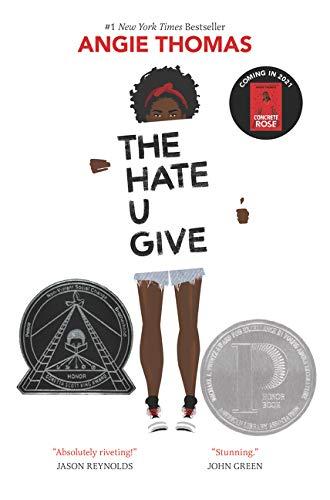
“The Hate U Give” by Angie Thomas follows sixteen-year-old Starr Carter, who moves between two worlds: her poor, predominantly Black neighborhood of Garden Heights and her fancy, mostly white prep school, Williamson. She keeps these identities separate, speaking differently, acting differently. Starr navigates friendships, family loyalties, and daily microaggressions while trying to fit in at school without losing herself at home.
One night, Starr and her childhood friend Khalil drive off after a party because someone’s chasing them. They stop at a convenience store, run into an old gang member, and moments later an unmarked police car blocks their path. The officer demands they step out. Terrified, Khalil raises his hands. He moves slowly toward the car. The officer shouts and then fires. Starr screams as Khalil collapses.
The shooting leaves Starr shaken and silent the next morning. Her family rushes her home as sirens ring out. Starr’s parents, Maverick and Lisa, hug her until she sobs. They remind her to stay safe, stay strong. Her twin brothers, Sekani and Seven, circle around, confused but supportive. No one in the Carter household knew Khalil was visiting, so they learn about him at the same horrifying moment as the rest of the world.
News of Khalil’s death spreads fast. Garden Heights erupts in protests. Local activists blame the police, while some neighbors label Khalil a thug who deserved it. Starr’s father has history with a gang, One-Fifteen, and the family worries that violence might spiral. Still, he teaches her to know her rights. Maverick drives through the neighborhood in his bulletproof car, shielding the family from drive-by shooting threats.
At Williamson, Starr attends classes as if nothing happened. She texts her friend Hailey, who complains about spring break plans. Starr stifles the urge to tell her everything. Instead, she laughs along, keeping the pain locked up. Her boyfriend, Chris, notices her distance, but she brushes off his concern. Back home, she feels angry and powerless.
A community vigil honors Khalil. People hold candles, shout his name, demand justice. Starr watches families cry. A local activist named Kenya’s cousin agitates the crowd. Starr’s heart pounds as she stands by her friend India. They chant: “No justice, no peace.” The chanting swells, and Starr feels her voice rise. She shouts until she can shout no more, tears streaming down her face.
A public defender offers Starr anonymity if she testifies at a grand jury. Schoolmates bully her for speaking up. Someone scrawls “SNITCH” on her locker. Starr tries to hide her fear, but the words sting. She debates staying silent. Starr recalls Khalil’s last words to her: “Don’t die. Promise me you won’t die.” She wonders if testifying could save lives, save her own.
At home, Lisa urges Starr to consider the family’s safety. Maverick insists the truth matters more. He shares stories of police violence from his past. He fought for his kids to avoid these issues, yet here they are. He tells Starr: “Your voice is more powerful than you know.” His words ache in her heart.
Starr’s school newspaper teacher invites her to write about Khalil. She starts drafting her thoughts, her rage, her grief. Each sentence feels like chewing glass. She pauses, then deletes a paragraph, then rewrites it. Through writing, she remembers Khalil’s laugh, his love of poetry, his dreadlocks, his gentle spirit. She remembers he was her friend, not just a headline.
On the day of the grand jury hearing, Starr’s stomach twists. She rides in an SUV with her parents. Police flank the streets. Garden Heights trembles on the edge of chaos. Starr waits in a small, stark room with prosecutors. She sees photos, police reports, Khalil’s file. Her palms sweat. She clutches her notes. When they call her name, her knees shake.
Starr delivers her testimony. She speaks in clear, steady sentences. She tells them Khalil wasn’t reaching for a gun; he was scared. She recalls every word, every movement. Her voice cracks but she refuses to stop. Quiet falls over the room. She finishes, exhales. Her heart feels both broken and proud.
Afterwards, the news breaks: the grand jury won’t indict the officer. Garden Heights ignites. Tear gas clouds the streets. Rioters break windows. On one block, protesters kneel in silence. On another, flames roar. Starr and her family barricade themselves indoors. She watches the smoke with horror, wondering if speaking out made it worse.
In the aftermath, Starr joins organized protests led by local leaders. She trains in how to march without violence, how to deescalate tension. She meets a reporter who asks her what she wants from police reform. Starr names changes: better training, accountability, body cameras. She explains how Khalil’s life mattered.
A community cookout follows the first peaceful march. Neighbors share plates of fried chicken and cornbread. Starr laughs as Sekani chases Seven around a picnic table. She tells Chris about her plans to start a scholarship in Khalil’s name. He squeezes her hand. She realizes her voice isn’t just protest—it’s hope.
Months later, a neighborhood mural rises on a boarded-up store: Khalil’s face in bright colors. Underneath, the words “Our Voices Heal” stretch across the wall. Starr stands before it with her father. She reaches out to touch the paint. She feels gratitude and grief tangled together. She whispers, “We did something.”
By the end, Starr realizes she can’t change everything, but she can keep speaking truth. She vows to honor Khalil by never staying silent. She understands now that activism is messy and painful, but also necessary. The two worlds she lived in—Garden Heights and Williamson—feel integrated at last. She’s found her voice, and she intends to use it.
DETAILED SUMMARY
Plot Summary
1. Starr’s Split Worlds
Starr Carter lives in Garden Heights, a neighborhood marked by poverty and gang conflicts. She attends Williamson Prep, a predominantly white private school, where she carefully adjusts her speech, attire, and behavior. Starr feels torn between these two worlds, fearing that her authentic self might not fit in either.
Her white friends at Williamson view her through stereotypes and tokenism. They compliment her on what they see as her model minority status, failing to grasp the struggles she faces back home. Meanwhile, her childhood friends in Garden Heights tease her for acting “too white.” This constant pressure shapes Starr’s identity crisis.
A turning point arrives when she attends a party at a friend’s house in Garden Heights. Starr craves authenticity but also fear grips her whenever she returns. This dichotomy sets up the emotional conflict that fuels her journey.
Short bursts of hope emerge when Starr reconnects with her old friend Khalil. Their reunion feels real, yet danger simmers in the background. Khalil shows her life in Garden Heights isn’t all darkness; moments of laughter and solidarity still shine through.
By the end of this arc, Starr realizes she cannot wholly deny either part of herself. She must bridge these separate worlds and find her own voice.
2. The Traffic Stop Tragedy
One night, Starr and Khalil drive home after the party. A police car signals them to pull over. Officer Brian Cruise questions their minor traffic violation in an aggressive tone. Tension spikes as he learns Khalil is unarmed.
Starr freezes, torn between speaking up and self-preservation. Khalil’s protective laugh cannot mask his fear. When Khalil reaches into the car, the officer shoots him without warning. Starr screams and watches in horror as Khalil dies on the pavement.
This moment shatters Starr’s innocence. She grapples with guilt and trauma, reliving the scene in her mind. Her silence feels painful, yet speaking out risks putting her family in danger.
Garden Heights erupts in grief and anger. Starr’s parents coach her on staying safe if she testifies. Her father reminds her that speaking truth is vital, but her mother fears violent retaliation.
By the end of this arc, Starr stands at a crossroads: protect herself by staying silent or seek justice for Khalil by raising her voice.
3. Media, Misinformation, and Pressure
News outlets turn Khalil’s death into a story ripe for spin. Some outlets paint Khalil as a drug dealer who provoked police. Starr resents how quickly everyone dehumanizes her friend. She feels his memory slipping through biased headlines.
Activists and community leaders urge Starr to testify. They invite her to rallies, teach her chants, and post flyers. Meanwhile, Williamson classmates bombard her with well-meaning but clueless questions about race and police violence.
Starr grapples with how to frame her testimony. She rewrites her statement multiple times, haunted by flashbacks. Each draft forces her to revisit the worst night of her life. She also worries about undercover officers who might threaten her family if she speaks.
A local news station offers Starr and her family a platform. Her parents weigh the risks: exposure could bring threats but also shed light on injustice. Starr senses the weight of responsibility on her shoulders.
This arc ends as Starr commits to testify. She chooses truth over fear, vowing to honor Khalil’s memory despite the dangers it brings.
4. Community Uprising and Loss
After the grand jury declines to indict Officer Cruise, Garden Heights erupts in protests. Shops board up their windows. Flames and tear gas fill the streets. The community demands justice, but violence escalates.
Starr’s best friend, Kenya, returns home and joins the protests. She channels her anger into organizing crowds. Starr admires Kenya’s courage yet fears for her safety. Their friendship deepens under pressure.
Northern officers raid homes suspected of gang ties. Starr’s family faces harassment despite their innocence. Her uncle Carlos warns that Garden Heights has become a powder keg. Even he, a police officer, questions the system’s fairness.
Amid the chaos, a stray bullet injures Seven, Starr’s half-brother. The family rallies at the hospital, facing grief and guilt. Starr realizes her activism has personal consequences.
This arc closes with Starr straining to reconcile her desire for peace with the community’s rage. She wonders if true justice can arise from such unrest.
5. Finding Her Voice
Encouraged by her father’s speech and community support, Starr agrees to testify before the grand jury. She delivers a truthful account of Khalil’s death, refusing to let fear silence her. Her words carry weight far beyond the courtroom walls.
At Williamson, the school hosts a forum on race and policing. Starr speaks to her classmates, sharing her experience and urging them to question biases. Her friends finally glimpse the real person behind the “model minority” label.
Outside, protests give way to vigils. Garden Heights finds some peace as leaders call for nonviolent resistance. Starr participates in memorial art projects honoring Khalil’s dreams of being a mechanic and rap artist.
In the final pages, Starr stands at Khalil’s grave. She recites lines from his poetry and vows to keep fighting for change. Her growth is clear: she’s no longer torn between two worlds. She has forged her own path.
The story ends on a hopeful yet realistic note. Starr carries trauma, but she also carries hope—for herself, her family, and her community.
Characters
1. Starr Carter (Protagonist)
“At home, I’m me. At school, I’m ‘Mimi’s girl.’”
Sixteen-year-old Starr navigates two distinct worlds. At home in Garden Heights, she blends in with her neighborhood friends. At Williamson Prep, she alters her voice and demeanor to fit in with her predominantly white classmates. Starr’s dual identity leads to constant tension and self-doubt.
After witnessing Khalil’s death, Starr’s character shifts from silence to action. Trauma drives her growth as she finds courage to testify and speak publicly on police violence. She evolves into a voice for her community, balancing vulnerability with determination. Starr embodies resilience in the face of injustice.
2. Khalil Harris (Starr’s childhood friend)
“Live every day like you could die any day.”
Khalil represents both the dangers and the humanity of Garden Heights. He sells loose cigarettes and listens to rap, but he dreams of a better life. His laughter and storytelling show his warmth. He looks out for Starr, teasing her yet showing genuine care.
Khalil’s untimely death sparks the novel’s central conflict. His memory fuels Starr’s activism and highlights systemic racism. Khalil remains a vivid, human figure throughout the book, reminding readers of lives lost to police violence.
3. Maverick “Big Mav” Carter (Starr’s father)
“Don’t let them make you hate them.”
Maverick is a former gang member turned community activist. He owns a grocery store that serves as a safe haven in Garden Heights. Mav teaches Starr about black history and self-respect, urging her to stand up against injustice. His tough love shapes her moral compass.
He balances fierceness with compassion. Mav’s presence brings stability to Starr’s life, even as he warns her about the dangers of speaking out. He risks everything to protect his family yet supports Starr when she chooses to fight for justice.
4. Lisa Carter (Starr’s mother)
“I want you to live long enough to use your voice.”
Lisa works as a nurse and prioritizes her family’s safety. She encourages Starr to speak her truth but fears the consequences of activism in a violent environment. Lisa’s nurturing side shines through as she comforts Starr’s nightmares and coaches her testimony.
Lisa’s quiet strength anchors the family. She balances Maverick’s fiery activism with caution. Her emotional support proves just as vital as Mav’s lessons, helping Starr face her trauma and stand up for what’s right.
5. Seven Carter Jr. (Starr’s half-brother)
“We’re Carter kids. We don’t back down.”
Seven shares a close sibling bond with Starr. He straddles the same worlds: attending Williamson yet living in Garden Heights. Seven’s protective nature surfaces when mobs threaten the family store. He supports Starr’s activism though he worries about danger.
Injured during a protest, Seven’s vulnerability reveals the cost of seeking justice. His recovery underscores the novel’s theme of sacrifice. Seven’s loyalty highlights the bonds that keep families strong under pressure.
Themes Analysis
1. Identity and Code-Switching
The novel examines how marginalized individuals adapt to different social settings. Starr constantly toggles between her authentic self and the persona she shows at Williamson. This code-switching causes emotional strain, illustrating how systemic racism forces people to compartmentalize their identities.
By confronting this duality, Starr reclaims her voice. She learns to merge both parts of herself into a unified identity. The story suggests that true empowerment arises when one refuses to hide facets of their background.
2. Police Violence and Systemic Racism
Khalil’s death spotlights how law enforcement can misuse power against black lives. Angie Thomas crafts scenes that feel raw and immediate, forcing readers to confront uncomfortable truths. The grand jury’s refusal to indict reflects broader societal failures to hold officers accountable.
Starr’s journey from silence to protest illustrates personal and communal responses to injustice. The novel emphasizes that speaking out matters, even when the system seems rigged. It calls on readers to question deep-rooted biases and demand change.
3. Family and Community Resilience
Despite economic hardship and external threats, the Carter family remains a source of love and guidance for Starr. Maverick and Lisa model strength in different ways: one through activism, the other through protection. Their unity shows how families can survive trauma together.
Garden Heights itself acts as a community. Neighbors share grief, organize protests, and support one another. The novel celebrates grassroots solidarity. It argues that meaningful change often starts in tight-knit communities where people look out for each other.
Key Plot Devices
1. Code-Switching
Starr’s habit of altering her speech and behavior is more than a personal quirk—it drives the narrative tension. It represents her struggle to be fully seen and heard. When she speaks authentically at critical moments, it marks her growth and signals her refusal to remain silent.
This device also highlights cultural divides. Readers experience how language can become a barrier or bridge. It underpins key scenes, like Starr’s confrontation with her Williamson friends, underscoring the power dynamics at play.
2. The Party Scene
The early house party serves as a catalyst for the story. It reunites Starr and Khalil, reminding them of shared history while foreshadowing tragedy. The contrast between the party’s fleeting joy and the violence that follows deepens emotional stakes.
This device also introduces themes of choice and consequence. Characters decide whether to stay or leave, reflecting real-life dilemmas in dangerous environments. It sets the tone for moral ambiguity throughout the novel.
3. Media and Misinformation
News reports shape public perception of Khalil’s death. The smear campaigns against him reveal how media can dehumanize victims. This device creates a secondary antagonist: biased headlines that twist Starr’s truth.
It forces Starr to become proactive. She battles not only the court system but also public opinion. By highlighting this element, Angie Thomas critiques sensationalism and underscores the importance of controlling one’s own narrative.