
SUMMARY
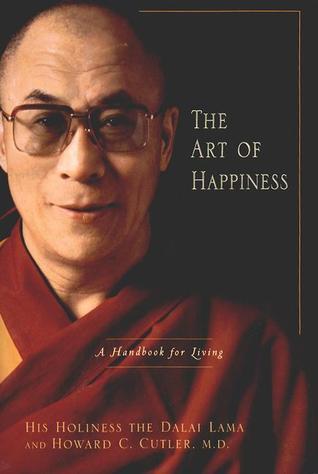
“The Art of Happiness,” coauthored by the Dalai Lama and psychiatrist Howard Cutler, explores the roots of lasting happiness through conversations, stories, and exercises. It frames happiness as the ultimate purpose we all share and shows how wisdom traditions and modern science can guide us toward a more joyful life.
The book begins by asserting that happiness comes from training the mind rather than acquiring external goods. According to the Dalai Lama, everyone wants to be happy and avoid suffering. Yet most people look outward for lasting joy—in wealth, fame, or power—only to find that these things never satisfy completely.
Instead, the authors invite us to look inward. They describe suffering as an unavoidable feature of life, whether it’s loss, illness, or emotional pain. By facing suffering directly, we can cultivate patience and resilience. Acknowledging our struggles helps weaken their power over us.
Central to the Dalai Lama’s teaching is the idea of mental training. Here, he encourages daily practices such as reflection, meditation, and gentle self-examination. Over time, these habits reshape our outlook, making kindness and optimism more natural responses.
Compassion plays a starring role. By extending concern for others, we strengthen our own happiness. When we see others as similarly seeking relief from pain and yearning for joy, walls of self-absorption fall. This shift shifts guilt and fear into warmth and empathy.
The book explores relationships next. The Dalai Lama and Cutler agree that healthy connections with family, friends, and community buffer stress. They discuss practical tips—like active listening, recognizing common humanity, and letting go of grudges—to deepen bonds and reduce loneliness.
Adversity, they say, can become fuel for growth. Rather than view difficulties as roadblocks, we can treat them as teachers. A traumatic event may spark fresh determination to develop emotional strength or inspire us to help others facing similar trials.
Resilience flows from realistic optimism. The authors warn against toxic positivity, where we ignore legitimate fears. Instead, they model balanced thinking: we acknowledge risks but also recognize our capacity to adapt and overcome.
Mindfulness meditation features as a key tool. By training attention on the breath or bodily sensations, we learn to observe thoughts without getting swept away. Regular practice reduces anxiety and enhances our ability to savor simple pleasures.
When anger arises, the Dalai Lama suggests pausing to examine its roots. Often, irritation springs from unmet expectations or fear of loss. By spotting these hidden drivers, we can choose more constructive responses and prevent resentment from poisoning our peace.
The book also addresses anxiety about the future. It proposes transforming worry into thoughtful planning. We can identify real dangers, prepare practical solutions, and then let go of hypothetical fears that only drain energy.
Death, the ultimate uncertainty, merits its own reflection. Contemplating mortality, we appreciate life’s fragility and value each moment more fully. Accepting death as part of existence loosens the grip of ego and opens the heart to gratitude.
In a chapter on wealth, the authors stress that money brings comfort but not contentment. Beyond basic needs, additional riches yield diminishing returns. A simpler life—rooted in purpose and kindness—often leads to deeper satisfaction.
Community ties provide another pillar of well-being. Whether through shared rituals, volunteer work, or casual socializing, belonging to a group nurtures our sense of worth. The Dalai Lama urges readers to serve others routinely, not for praise but for genuine connection.
Finally, “The Art of Happiness” offers daily exercises: count your blessings, reflect on compassion, practice mindful breathing, and review your reactions at day’s end. Small, consistent steps accumulate into lasting change. Over time, a gentler, more joyful mind takes shape, proving that true happiness lies in the art of training our hearts and minds—not chasing fleeting pleasures.
DETAILED SUMMARY
Key Takeaways
1. Happiness as a State of Mind
“Happiness is not something ready made. It comes from your own actions.”
Cultivating Inner Joy: The Dalai Lama argues that happiness originates within us rather than from external events. He insists that by training our mind through compassion and mindfulness, we can create lasting contentment. Practicing awareness helps you catch negative thoughts before they spiral.
In his conversations with Dr. Cutler, he explains how small daily habits—like observing your breath or offering kindness—reprogram mental patterns. Over time, these practices forge neural pathways linked to calmness and empathy. When challenges arise, you respond with steadiness rather than reactivity.
Transforming Individual Well-Being: When individuals learn to nurture happiness from within, they influence those around them. Research shows that compassionate communities report lower stress and higher resilience. Schools that teach mindfulness see students perform better academically and socially.
On a broader scale, societies that value mental health invest more in preventive care. They reduce healthcare costs tied to anxiety and depression. By shifting the focus from material achievement to inner balance, nations foster a culture of mutual support and emotional stability.
Key points:
- Happiness arises from intentional mental training
- Mindfulness rewires thought patterns
- Compassion fuels lasting joy
- Individual change ripples into communities
- Preventive mental health reduces societal costs
2. The Role of Compassion
“If you want others to be happy, practice compassion. If you want to be happy, practice compassion.”
Empathy as a Daily Practice: Compassion sits at the heart of Buddhist psychology. The Dalai Lama describes it as the wish for others to be free from suffering. He encourages readers to extend genuine concern not only to loved ones but to strangers and even adversaries.
He outlines simple exercises: start by recalling someone you care about and wishing them well. Next, expand that circle to neutral acquaintances, then to people you find difficult. This stepwise approach builds an inclusive mindset and softens harsh judgments.
Healing Relationships and Society: When people practice compassion, interpersonal conflicts drop. Couples improve communication and trust. Workplaces become more cooperative and creative. Companies that invest in empathy training see higher employee satisfaction and retention.
At a societal level, compassionate policies address homelessness and poverty more effectively. Nations that prioritize social welfare report stronger social cohesion. Empathy-driven leadership can defuse tensions and foster peace-building efforts across cultural divides.
Key points:
- Compassion begins with those you love
- Expand care to friends, strangers, and foes
- Regular exercises strengthen empathy
- Improves relationships at home and work
- Guides humane social policies
3. Handling Negative Emotions
“Problems are the inevitable companion of material success.”
Turning Obstacles into Opportunities: The Dalai Lama acknowledges that even a joyful mind faces anger, fear, and grief. He teaches that labeling these emotions without acting on them creates distance. You observe anger like a cloud passing rather than a storm consuming you.
He recommends reflective questions: What triggered this feeling? How long will it last? Can I learn from it? By investigating discomfort with curiosity, you transform it into insight. This practice reduces suffering and builds emotional resilience.
Building Resilience in Daily Life: Individuals skilled at managing negative emotions recover faster from setbacks. They suffer less from chronic stress and boast healthier immune responses. Schools that teach emotional intelligence see fewer behavioral issues among students.
In communities, leaders who model calm under pressure deescalate crises more effectively. Mental health programs that include emotion-regulation techniques lower rates of anxiety and depression. Societies become more adaptable when citizens learn to face adversity with a clear mind.
Key points:
- Acknowledge emotions without judgment
- Use reflective questioning to learn
- Transform negative feelings into insight
- Enhance stress recovery and immunity
- Support emotional-intelligence education
4. Mindfulness and Meditation
“Meditation is the tool that can bring stability to our mind.”
Steadying the Mind: Meditation trains attention and awareness, says the Dalai Lama. He clarifies that it doesn’t require elaborate rituals—just quiet time and focused breathing. By returning your attention each time it wanders, you strengthen mental stability.
He outlines two forms: concentration meditation, which anchors you to a single object like the breath, and analytical meditation, where you reflect on qualities such as compassion. Alternating these methods builds both calm and insight, deepening your understanding of mind and emotions.
Practical Benefits for Health: Studies confirm that regular meditation reduces anxiety, lowers blood pressure, and alleviates pain. It improves attention span and emotional balance. In corporations, meditation programs lead to fewer sick days and greater employee engagement.
On a societal level, integrating mindfulness into schools and prisons shows remarkable results. Students gain focus and emotional control. Inmates develop empathy and learn non-violent conflict resolution. Communities show lower crime rates and higher social harmony when mindful practices spread.
Key points:
- Simple breathing practices cultivate focus
- Concentration and analytical techniques
- Proven benefits for mental and physical health
- Reduces sick days and boosts performance
- Transforms schools and correctional facilities
5. Balancing Inner and Outer Worlds
“True happiness does not depend on external conditions.”
Detaching from Materialism: The Dalai Lama cautions against tying joy solely to possessions or status. He argues that chasing external success often leads to stress and disappointment. Instead, he encourages a balanced life where material needs are met without obsession.
He suggests examining your desires: Do they serve your well-being or fuel insecurities? By simplifying your expectations and focusing on meaningful relationships, you reduce the endless cycle of craving. This shift brings deeper satisfaction than any object can provide.
Social Implications of Contentment: When people consume less, they relieve environmental pressures. Reduced waste and lower carbon footprints follow. Economies can pivot from endless growth to sustainable practices, ensuring resources for future generations.
On a cultural level, societies that value moderation over excess foster cooperation rather than competition. Citizens report higher life satisfaction in countries that emphasize work-life balance. By valuing experiences over things, communities build resilience and mutual support.
Key points:
- Happiness isn’t tied to possessions
- Question motives behind desires
- Simplify expectations for deeper joy
- Promotes environmental sustainability
- Shifts culture from competition to care
6. Ethics and Universal Responsibility
“We must take care of each other in a spirit of universal responsibility.”
Expanding Our Moral Circle: The Dalai Lama extends compassion into a universal ethic. He believes every human shares a basic wish to avoid suffering and seek happiness. Recognizing this commonality fosters a sense of global responsibility.
He encourages small actions—recycling, volunteering, respectful dialogue—that reflect this ethical stance. Over time, these gestures grow into broader movements for human rights and environmental protection. By seeing ourselves as part of a larger whole, we act with greater care.
Shaping Global Cooperation: When citizens embrace universal responsibility, political agendas shift toward altruistic policies. International treaties on climate change and human rights gain stronger support. Grassroots movements flourish, connecting people across borders.
In emergencies, such as natural disasters, communities respond with solidarity. Aid travels faster and more equitably. Cultures once divided by language or creed collaborate on shared goals. Ultimately, global problems become more solvable when rooted in compassion.
Key points:
- Recognize shared human desires
- Practice small ethical acts daily
- Build grassroots movements
- Strengthen international cooperation
- Respond collectively to crises
Future Outlook
As our world grows more interconnected, The Art of Happiness offers a timeless guide. It shows that inner training and external action go hand in hand. Readers will likely see mindfulness and compassion integrated into education, healthcare, and governance on a wider scale.
Researchers may deepen studies on how mental training affects neurobiology and social behavior. Policymakers might adopt compassionate economics to balance growth with well-being. Ultimately, this book’s ideas point toward a future where personal happiness and global harmony reinforce each other, shaping a kinder, more resilient world.