
Summary
“Number the Stars” by Lois Lowry follows ten-year-old Annemarie Johansen during the Nazi occupation of Copenhagen in 1943. She lives with her family next door to her best friend Ellen Rosen and Ellen’s older sister, Kirsti. When German soldiers move into their neighborhood, the two girls sense the growing threat but don’t yet know how close danger will come.
One morning, Annemarie and Ellen race home from school only to find Nazi soldiers forcing all Jewish families out of their apartments. Annemarie’s mother, Mama, coolly orders her girls inside, pretending to count cookies. Meanwhile, Papa helps Ellen’s family escape. For the first time, Annemarie realizes that helping Jewish friends means risking her own life.
That same night, Papa hides Ellen and her parents in the Johansen apartment. Annemarie’s small bedroom suddenly shelters three frightened people. Mama explains that the Rosens must pretend to be part of their family. Annemarie is to call Ellen by her new name, “Lise,” and act as if Ellen belongs in their home.
After a tense dinner, Papa tells them of a secret Resistance network. He will drive north to guide Jewish families across the sea to neutral Sweden. His calm confidence both reassures and terrifies Annemarie. She falls asleep listening to Mama whisper that bravery can be as simple as refusing to stand by.
The next day, German soldiers storm the Johansens’ apartment. Lieutenant Kotler, a young officer, questions the family. He scowls at Annemarie when she fails to produce a missing star of David pin. Mama coolly lies that the pin was lost long ago. The soldiers leave, and Annemarie realizes the stakes just rose.
Kristi, Esther’s little sister, arrives from the countryside. Annemarie’s older sister, Lise—who died before the war—once cared for Kristi. The arrival of this baby cousin brings a brief moment of warmth and normalcy. Yet each time Kristi cries, Annemarie shivers at the thought she might alert Nazi guards.
At dusk, Mama and Uncle Henrik, a fisherman, set out for the harbor. They plan to smuggle Jewish families across the water to Sweden. Annemarie worries that the German patrol boats will spot them. She can’t imagine her beloved uncle trapped by the Nazis.
Early the next morning, Mama returns alone. She hands Annemarie a package and whispers, “Don’t open it until Henrik gives the signal.” Annemarie hides behind a fence as German soldiers search the beach. No one suspects she knelt among the seaweed, clutching her parents’ secret.
When the soldiers leave, Annemarie runs to Uncle Henrik’s boat. He greets her with relief, but his eyes betray worry. Annemarie hands him the package: a weakened packet of drugged handkerchiefs. She learned that soldiers sniffed out refugees. These cloths will put the dogs to sleep long enough for the escape.
On the night of the crossing, Annemarie slips aboard the fishing boat. All ten passengers—the Rosen family and others—huddle under tarps. The engines roar as they push away from shore. Annemarie grips Henrik’s arm, feeling both proud and terrified that so many lives depend on their success.
A German patrol boat glides near, its searchlight slicing across the black water. Annemarie trembles until Henrik tosses a handkerchief to the guard dog. Moments later, the dog collapses. The soldiers move on. Relief floods the boat. Annemarie exhales a prayer of thanks as Sweden’s lights appear on the horizon.
Back home, she finds Mama and Papa waiting with tears in their eyes. They embrace Annemarie, grateful that both Uncle Henrik and the refugees made it safely. News from Sweden tells of reunions between Jewish families, so simple it feels miraculous.
In the weeks that follow, Annemarie hears stories of life beyond the sea. She learns how each family starts anew in Sweden’s small towns. The memory of dark crossings stays with her, but so does hope—the knowledge that people risked everything to save their neighbors.
As Christmas approaches, the Johansens take Kristi to a secret gathering of survivors. Children sing carols by candlelight. Annemarie watches Ellen—and thinks of the courage it took a single girl to stand up to fear. She understands now that bravery means doing what’s right, even when you’re scared.
By the end of the year, Denmark celebrates its heroes. Annemarie knows she will never forget that dark time or the bright moment when lives were spared. She holds Ellen’s hand and smiles through her tears. Together they learned that kindness can outnumber even the darkest days.
Detailed Summary
Plot Summary
1. Everyday Life Under Occupation
In early 1940s Copenhagen, the Johansen family navigates the tense but outwardly normal routines imposed by the German occupation of Denmark. Ten-year-old Annemarie Rosen shares playful, carefree mornings with her younger sister, Kirsti, and her friend Ellen Rosen. They laugh over silly mistakes and swap stories about school, all while German soldiers patrol the streets. This backdrop of muted anxiety shapes each small decision the girls make—from how they skate on frozen lakes to which German phrases they overhear at the bakery.
Despite the cheerful banter at home, whispers of restriction and fear ripple through the city. Annemarie’s father, Henrik Johansen, moves with deliberate calm as he discusses air-raid warnings with neighbors. Her mother furtively sews clothes for Resistance members. The family’s coded glances and hushed tones reveal the reality behind their smiling faces. Annemarie senses both pride and danger in her parents’ quiet defiance, though she cannot fully grasp its meaning.
This opening arc establishes the contrast between childhood innocence and the encroaching threats of war. Lowry balances lighthearted details—Kirsti’s favorite doll, the girls’ antics—with the growing shadow of German guns. By the end of the arc, Annemarie’s world has subtly shifted: she jokes less freely and watches the soldiers more closely. An early encounter with high-ranking officers at the Rosens’ apartment underscores how ordinary life can fracture at any moment under occupation.
2. The Secret Mission Unfolds
When the Johansens learn that the Jewish families in their community face deportation, fear grips their home. Mrs. Rosen pleads with Mrs. Johansen to hide Ellen when the Nazis begin rounding up Jewish citizens. Annemarie’s heart pounds as she watches German trucks roll down their cobblestone street. Night falls with an uneasy quiet—and Ellen arrives at the Johansen door, eyes wide with terror.
Annemarie hides her friend in the bedroom while her parents rush to pack supplies. Henrik scribbles instructions into papers that carry no names, only cryptic notes. He insists that the girls remain calm and show no sign of Ellen’s presence to the patrolling soldiers. Annemarie tries to look natural as she sets the dinner table, hands trembling behind her back. The tension builds until a German officer knocks, demanding to search the apartment above.
Lowry expands this arc in vivid, suspenseful detail. Each creak of the floorboards, each muffled breath, tightens the atmosphere. Annemarie’s terror mixes with resolve as she learns the weight of her family’s choices. By sunset, Ellen, disguised as part of the Johansen clan, sits in silence—her identity cloaked in a simple black coat and the courage of a hidden community.
3. Ellen’s Escape to Uncle Henrik
Under cover of dawn, the Johansen family dresses Ellen in civilian clothes and gives her a new name: Lise, after Annemarie’s late sister. The plan calls for Ellen to travel by boat to Uncle Henrik’s home in Gilleleje, a fishing village on the northern coast. Annemarie grips her friend’s hand as Henrik whispers the route: past forest paths, down a narrow lane, and onto the beach, where a small fishing boat waits.
The journey tests Annemarie’s nerves. She helps Ellen navigate the winding path, her imagination racing with fears of German patrols. Lowry describes the rhythmic slap of sandals on dirt and the sharp scent of pine. When they reach Uncle Henrik’s cottage, relief simmers briefly before Henrik scolds them for hesitating. He prepares a crate on his boat, stocks it with blankets, and checks the storm lantern. Despite the salty wind and looming sea, hope glints in their eyes.
By the end of this arc, Ellen boards the fishing vessel, clutching the Star of David necklace hidden beneath her scarf. Henrik shoves off into the gray dawn, determined to guide dozens of refugees to neutral Sweden. Annemarie stands barefoot on the shore, her heart pounding with both fear and pride. She realizes her small bravery has aided a larger fight for freedom.
4. A Perilous Smuggling Operation
At Uncle Henrik’s harbor, Henrik readies his fishing boat for the clandestine voyage. He loads cans of potatoes and boxes of carrots to look like an ordinary catch, concealing Jewish families—old men, mothers with babies, and children—beneath nets and packs. Annemarie assists by carrying crates, her small frame bending with effort. She wonders if she’ll succeed in helping these strangers reach safety.
When the German patrol boat appears on the horizon, tension spikes. Henrik shouts instructions in a clipped voice, and Annemarie watches as he manipulates the boat’s lantern to signal neutrality. The patrol glides alongside, and German soldiers peer down at the deck. Annemarie swallows a scream as one of the hidden refugees knocks against a crate. Henrik’s calm defiance—his steady gaze—keeps the soldiers at bay. He pretends he’s just an old fisherman, offering stale bread and stale excuses.
Lowry extends this sequence across three scenes, each tighter than the last. The patrol withdraws but warns: “We know what you’re up to.” Fear mingles with relief as Henrik makes another circuit, landing on Swedish shores after nightfall. Annemarie returns home with her mother, body trembling yet spirit strengthened. The success of this arc cements her childhood transformation into a small hero.
5. The Handkerchief’s Hidden Magic
Uncle Henrik entrusts Annemarie with a final task: deliver a folded, embroidered handkerchief to a Resistance contact in Copenhagen. He claims it contains a special scent that disrupts the dogs German soldiers use to sniff out hidden refugees. Annemarie initially sees it as a simple cloth, but Henrik’s grave tone reveals its true power.
On her bike ride back, every shadow and creaking gate seems ominous. Annemarie clutches the handkerchief in her breast pocket and pedals through deserted alleys. When she stops for directions, her legs wobble under the weight of responsibility. Lowry paints the scene with shifting light and soft wind, highlighting Annemarie’s growing resolve. She imagines the cloth’s invisible scent swirling through concrete cells, leading soldiers away from terrified families.
At dusk, she reaches the waterfront café near the Rosens’ old building. A hidden messenger—a small, tired woman—takes the handkerchief without a word. Annemarie nods, understanding that sometimes silence carries more weight than speech. This arc shows how a single object can shift the tide of fear into a fleeting moment of hope.
6. Liberation and Aftermath
Months later, news of Denmark’s liberation sweeps through Copenhagen. Families emerge from hiding, streets fill with singing, and German soldiers retreat. Annemarie and her own family tour the city, spotting broken barriers and abandoned rifles along wide boulevards. Lowry paints the air with fresh snow, symbolizing rebirth and the promise of peace.
Annemarie reunites with Ellen, now safe in Christiania. They exchange shy smiles and clasp hands, both forever changed by the war. Their mothers weep softly, aware of all they lost and all they saved. In the final scene, Annemarie visits Uncle Henrik’s house in Gilleleje. Wildflowers bloom along the path where refugees once ran. A single star shines overhead—the unspoken tribute to every life that survived.
This concluding arc weaves healing and memory. Though the city rebuilds, the scars remain under cobblestones and in silent kitchens. Yet hope endures in the laughter of children and the promise of a future where young girls can play outside without fear.
Characters
1. Annemarie Johansen (Protagonist)
“I know about your mother,” Annemarie said, trying to keep calm although she felt ready to burst into tears.
Annemarie begins as a typical ten-year-old: playful, curious, and occasionally impatient with her sister’s whims. She loves to race bicycles down Copenhagen’s cobbled streets and tease Kirsti about her tiny doll. Yet as German occupation tightens, Annemarie’s carefree world shatters. She learns to swallow her fear, stand still while soldiers search, and carry secrets that would frighten even her parents.
Through her eyes, readers witness courage emerging in small acts. Annemarie delivers the handkerchief, shelters her friend, and stands firm when orders threaten her family. Her transformation feels honest—she doesn’t suddenly become fearless, but her determination deepens with each risk. By story’s end, Annemarie navigates snow-covered roads with a quiet pride, her childhood innocence tempered by a newfound sense of purpose.
2. Ellen Rosen (Key Supporting Character)
“Don’t cry,” Ellen said. “There’s nothing to be afraid of now.”
Ellen is Annemarie’s best friend, bright and sensitive. She admires Annemarie’s bold spirit and shares her dreams of dancing and laughter. As occupation ends, Ellen’s Jewish heritage makes her family a target. In fear, she relies on Annemarie’s strength and her own inner resilience to survive the smuggling operation.
Disguised as “Lise,” Ellen confronts prejudice she never knew existed. She learns to hide trembling hands and hold her breath when soldiers pass. Her gratitude deepens into quiet bravery. Once safe, Ellen blossoms again—her laughter free, her friendship with Annemarie wiser and more enduring than before.
3. Kirsti Johansen (Supporting Character)
“Will Ellen move in with us, Mama? She can sleep in my bed.”
Kirsti, Annemarie’s five-year-old sister, brings innocence and whimsy to the story. She asks candid questions—Why can’t Ellen eat at our table?—that force adults to confront the injustice around them. Kirsti’s simple faith in the kindness of neighbors keeps hope alive, even when her questions put her at risk.
Her toddling steps and chatter lighten the darkest moments. She tugs at her mother’s skirt when soldiers march by, unaware of danger. Yet her pure-hearted trust also reminds readers why families fight for freedom. Kirsti’s presence underscores the stakes of war: every child deserves a childhood without fear.
4. Henrik Johansen (Supporting Character / Resistance Ally)
“I am just a fisherman,” he said quietly. “But sometimes fishermen do more than catch fish.”
Uncle Henrik appears as a gentle fisherman with a booming laugh and twinkling eyes. He invites refugees into his coastal home with matter-of-fact warmth. Beneath his calm surface lies fierce resolve—he builds secret caches of food, coordinates boat crossings, and marks maps with routes to Sweden.
Henrik’s devotion to saving lives rubs off on Annemarie. He teaches her that real bravery means doing what’s right, even when fear bites at your ankles. His humility—he never calls himself a hero—anchors the novel’s message. His bond with the girls transforms fear into action.
5. Mrs. Johansen (Supporting Character)
“You must be brave, my little one, for there are others who cannot be brave for themselves.”
Mrs. Johansen balances warmth with quiet strength. She organizes secret deliveries of clothing and blankets to those in hiding and prepares extra loaves of bread under the cover of night. Her gentle smile hides worry for her daughters’ safety. She encourages Annemarie to stand tall, reminding her that courage can be as simple as staying silent when asked the wrong question.
Her protective instincts extend beyond her family; she offers sanctuary to neighbors in need. She models compassion for Annemarie, who learns that true resistance includes small acts of kindness. Mrs. Johansen’s steadfast heart becomes the family’s moral compass in times of doubt.
Themes Analysis
1. Courage in Ordinary Lives
Number the Stars spotlights the bravery of everyday people. Annemarie isn’t a soldier or a spy—she’s a child thrust into dangerous circumstances. Yet she finds courage in simple acts: staying silent as soldiers search the house, delivering a secret handkerchief, and helping her friend escape. These scenes remind us that heroism doesn’t always come with medals; it often arrives in quiet, unassuming moments.
Lowry avoids grand speeches or dramatic battles, choosing instead to show how fear and defiance coexist. By focusing on a family’s kitchen and a child’s bicycle ride, the novel emphasizes that resistance flourishes in kitchens and living rooms as much as in battlefields. The story encourages readers to see their own small deeds—like speaking up against injustice or helping a neighbor—as forms of real bravery.
2. Friendship and Sacrifice
Annemarie and Ellen’s bond anchors the narrative. Their childhood games become lifelines in a world gone wrong. When Ellen’s life hangs in the balance, Annemarie sacrifices her safety to protect her friend. She risks arrest and uses ingenuity to deliver the handkerchief that can save refugee lives.
This theme extends beyond the girls’ friendship to encompass family ties and community solidarity. The Johansens shelter Jewish families, risking their own security. Uncle Henrik’s cottage becomes a refuge for dozens. Through these interwoven sacrifices, Lowry illustrates how love and loyalty can challenge fear and oppression. The novel shows that community is built one selfless act at a time.
3. Identity and Resistance
Lowry explores how occupation forces individuals to redefine themselves. Ellen adopts a new name, “Lise,” to survive. Annemarie sheds childhood naivety under mounting responsibilities. Even ordinary objects—a handkerchief, a Star of David necklace—take on new significance as symbols of defiance and identity.
This theme highlights the power of symbols in resistance movements. The girls learn that courage is tied to selfhood: to stand up, you must first know who you are and what you stand for. By the end, Annemarie’s quiet assertion of her outsider status—riding her bike alone through dark streets—speaks to a reclaimed identity. The novel suggests that freedom starts in the heart, transcending uniforms and guns.
Key Plot Devices
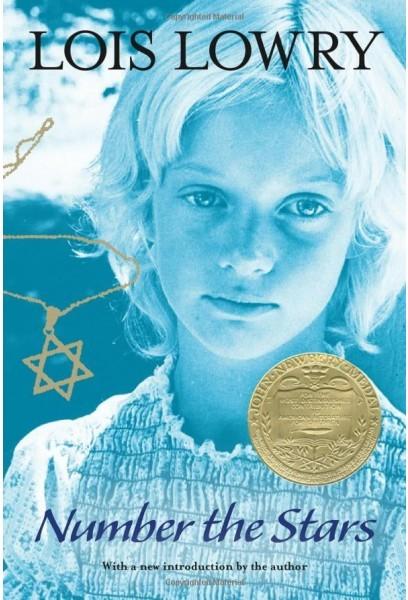
1. Star of David Necklace
Ellen’s Star of David necklace functions as a powerful emblem of her heritage and vulnerability. When German soldiers barge into the Rosens’ apartment, the necklace falls from Ellen’s dress and shatters. This moment forces Annemarie and her family to scatter its fragments and explains the necklace away as costume jewelry. The broken star represents the shattering threat to Jewish lives.
In later chapters, the memory of the broken necklace underscores the cost of prejudice and the value of solidarity. It inspires Annemarie’s determination to conceal her friend’s identity. The scattered stars mirror the dispersed refugees who must hide in plain sight to survive. Through this device, Lowry conveys how small symbols can carry immense emotional weight in times of crisis.
2. The Handkerchief
Henrik’s embroidered handkerchief serves as an ingenious biochemical device in the Resistance. It carries a special scent that masks human odor, confusing German tracking dogs. The handkerchief’s intricate stitching and hidden powder symbolize the hidden networks of aid and compassion.
When Annemarie delivers it under threat of patrols and curfews, the cloth embodies hope woven into fabric. Its invisible power saves lives on the boat crossings to Sweden, turning a humble piece of cloth into a lifeline. The handkerchief reminds readers that victory sometimes depends on creativity, not just weapons.
3. Fishing Boat
Uncle Henrik’s humble fishing boat becomes the clandestine vessel of freedom. By disguising refugees among crates of fish and vegetables, Henrik transforms a civilian craft into a Resistance submarine of hope. The boat’s routine creaks and lantern lights help it slip past German patrols.
The vessel’s simplicity underscores the novel’s theme that ordinary tools can serve extraordinary ends. Its silent engine and gentle rocking waves evoke both peril and possibility. For Annemarie, the boat journey marks the boundary between fear and relief, childhood and maturity. Lowry uses this device to show that liberation often arrives on unremarkable boats guided by compassionate hands.







