
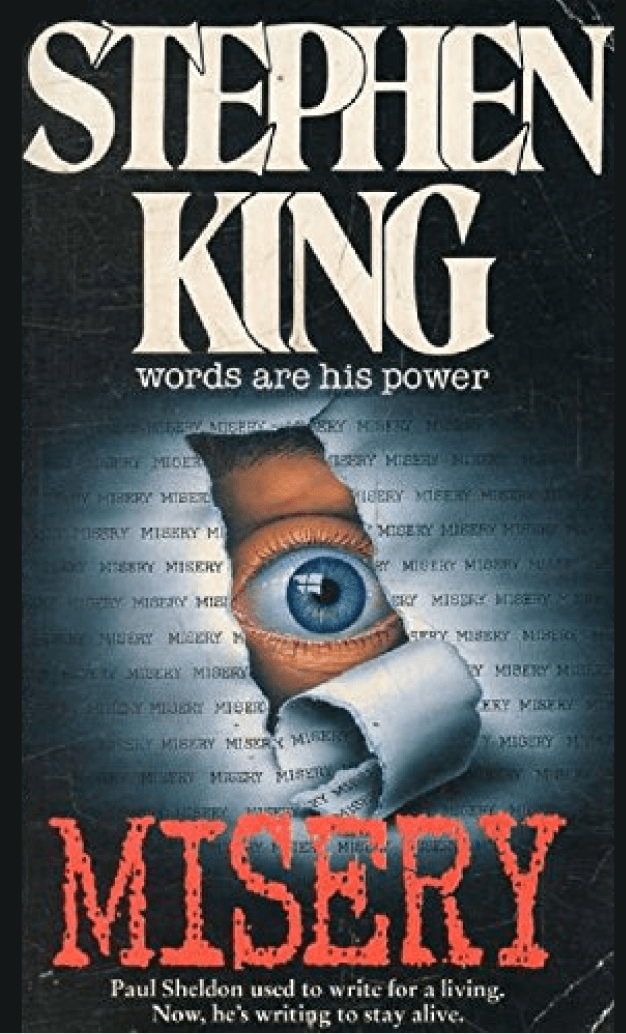
Summary
Failed to generate raw summary.
Detailed Summary
Plot Summary
1. Rescue and Awakening
Paul Sheldon wakes in agony after a car crash on a snowy mountain road. He finds himself trapped under his wrecked car, his right leg crushed. Pain and cold bite at him. Hours pass before a woman appears.
Annie Wilkes carries him to her isolated home. She whisks him inside like a savior, tending to his wounds. Her smile calms him—at first. He drifts in and out of consciousness, unsure whether to trust her strange kindness.
At dawn, Paul realizes he’s not in a hospital. He lies in a bed with iron restraints. Annie watches over him with something more than care. A chill of dread settles into his bones.
2. Captivity and Control
Paul awakes fully to Annie’s dark mood swings. She insists he remain bedridden. She wields pills with a surgeon’s precision, dosing him to keep him dependent. Annie’s obsession with Paul’s novels becomes clear. She demands he write her a new chapter in his popular Misery series.
He tries to negotiate, but Annie’s mood flips from gentle caretaker to ruthless jailer in an instant. One moment she’s humming, the next she’s smashing his typewriter keys. The locked windows and barred lights leave him no hope of escape.
Trapped, Paul realizes he’s at Annie’s mercy. Survival means submission to her literary demands.
3. Writing Misery’s Return
Paul forces himself to work on a new Misery Chastain novel. He knows Annie won’t accept any draft errors. He types by her side, haunted by her watchful glare.
His creativity twists under fear. He plots a compliant story that still carries a spark of his own wit. He pads pages, hoping to buy time, concealing cleverly hidden pleas for help.
Annie reads each chapter with breathless delight—until a misplaced comma drives her into a rage. She punishes Paul, breaking his foot with a sledgehammer. He learns that every word counts.
4. Despair and Defiance
Paul’s body weakens. Infection spreads. He steels himself against the pain. He uses morphine to stay conscious enough to think.
Annie slips into darker delusions. She reenacts scenes from Paul’s books as if she’s living the fiction. He spots a moment of clarity: a set of car keys near Annie’s purse.
Hope flares. He plans his escape between Annie’s pill-induced blackouts.
5. Escape and Confrontation
During a stormy night, Paul shuffles free of his restraint using a shard of his broken cell. He finds the keys and unlocks the door. Snow swirls outside, and he staggers into the dark, half-blind.
He crawls down the snowy slope toward a distant highway. At last, headlights appear—a car halts. It’s the sheriff. Paul collapses, red balloon still clenched in his hand.
Annie storms from the house in her nightgown. They face off in the snow. Paul trips her and escapes into the police car as Annie screams behind him.
6. Aftermath and Trauma
Paul heals in a hospital, his shattered leg now in a brace. Doctors ask questions. He gives terse answers about a patient named Annie.
In the quiet ward, memories of Annie’s laughter echo. He can’t erase the cut on his back or the echo of her voice praising Misery Chastain. He wonders if he’ll ever write again without shivering.
His notebook lies unopened by his bedside, waiting for a braver moment.
Characters
1. Paul Sheldon (Protagonist)
“You don’t know people until you’ve seen them at their worst.”
Paul Sheldon is a best‐selling author known for the Misery Chastain romance novels. He craves freedom from his own creation and fame’s constraints. His sharp humor hides self‐doubt, especially about his talent beyond the Misery series.
Under Annie’s control, he transforms from a confident writer into a desperate survivor. His resolve deepens as he endures pain and isolation. He channels fear into cunning, turning the written word into his best weapon.
2. Annie Wilkes (Antagonist)
“He belongs to me.”
Annie Wilkes presents as a humble nurse with a southern drawl and gentle smile. Yet she harbors a twisted obsession with Paul’s Misery novels. She shifts between tender caregiver and violent zealot on a dime.
Her moral compass bends around her fandom. She sees herself as Paul’s savior—and his judge. Annie’s private world of pills and manuscripts traps Paul in a maze of terror and worship.
3. Sheriff Buster (Supporting Character)
“You’re safe now, Mr. Sheldon.”
Sheriff Buster arrives late at the Wilkes home after a neighbor’s report. He’s gruff but caring. He knows Annie as a long‐time resident with odd habits but trusts her basic goodness.
When he finds Paul, his instincts shift into overdrive. He battles guilt over missing clear warning signs. His quick actions ultimately save Paul from further harm.
4. Misery Chastain (Fictional Character)
“My love, you’ll never die.”
Misery Chastain exists within Paul’s novels as the beloved heroine. She embodies innocence, longing, and the Victorian ideal of romance. Annie treats her like a real person, demanding that Paul return her to life.
As a symbol, Misery represents both Paul’s literary fame and his creative prison. Annie’s devotion to Misery blurs the lines between fiction and reality, driving the story’s terror.
Themes Analysis
1. Obsession and Idolization
Misery explores how fandom can slip into dangerous obsession. Annie’s devotion to Misery Chastain turns deadly when Paul strays from her idealized story. She worships a fictional heroine as if she’s divine, and she punishes Paul when real life doesn’t match her dreams.
This theme shows the dark side of hero‐worship. Paul becomes the object of a deranged admirer, and his survival hinges on appeasing Annie’s crazy expectations. King asks whether admiration can twist into a trap from which neither artist nor fan can escape.
2. Captivity and Freedom
Paul’s physical captivity mirrors his creative captivity. He’s chained to Annie’s demands in a locked room, cut off from the outside world. Yet his mind refuses to be caged. He scraps through pain to hatch an escape plan.
The contrast between walls and willpower highlights freedom’s value. Paul’s ordeal shows that creativity thrives in liberation. His final escape stands as a testament to human resilience when both body and spirit fight for release.
3. Power of the Written Word
In Misery, writing becomes both curse and salvation. Annie forces Paul to craft a novel chapter she approves of. His typewriter transforms from a tool of art into an instrument of torture.
But words also save him. His cunning manipulation of plot and punctuation delays Annie’s wrath and gives him precious time. The novel celebrates storytelling’s dual edge—capable of control and empowerment.
Key Plot Devices
1. Typewriter
The battered typewriter anchors Paul’s only hope. Annie fixes it to his lap, transforming a symbol of creative freedom into a torture device. He must write to survive, or face Annie’s violence.
Paul’s mastery of language becomes a weapon. He pads pages with errors, invents delays, and slips secret pleas between the lines. The typewriter thus swings between oppression and liberation.
2. Sledgehammer
Annie’s sledgehammer is her cold reminder of power. She uses it first to shatter champagne bottles, then to punish Paul’s heel. The brutal blow enforces submission and trauma.
This tool symbolizes the gap between care and cruelty. In Annie’s hands, it morphs from a repair instrument into an executioner’s hammer, underlining the story’s tension between nurture and violence.
3. Leg Brace
Paul’s crushed leg leaves him immobile and vulnerable. Annie rigs a rigid brace to keep him obedient. His physical impairment magnifies his helplessness.
Yet the brace also propels his determination. Each grinding step toward escape tests his will. The brace becomes both his shackle and reminder of the price of freedom.







