
Summary
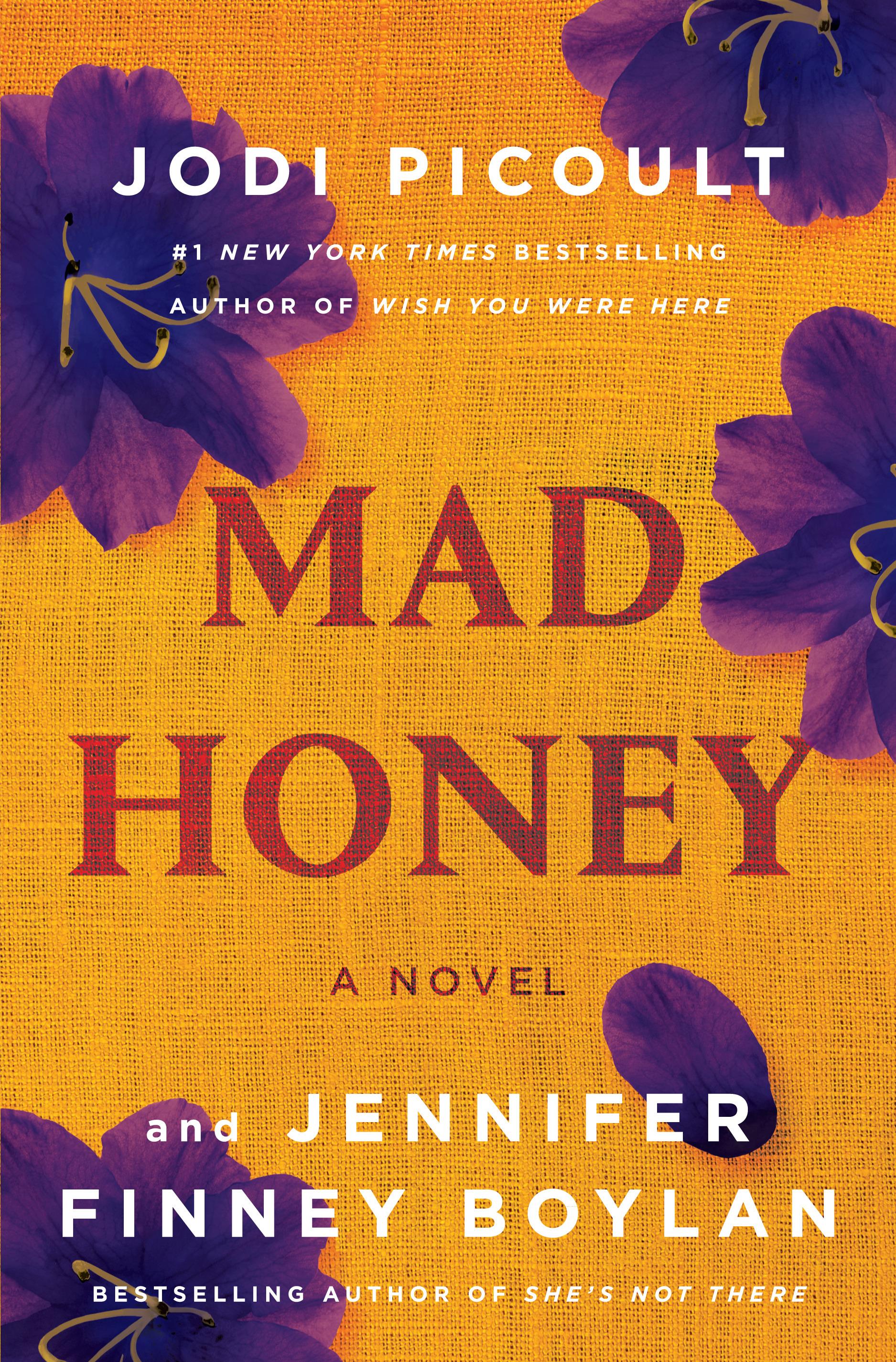
Mad Honey by Jodi Picoult and Jennifer Finney Boylan opens with a tense discovery on a sunny Vermont afternoon. Olivia McAfee, a former professional hockey player turned beekeeper, stumbles upon the body of her husband, Asher, in their orchard. She cradles him in her arms, heart pounding, as emergency crews swarm the property. The scene shatters the quiet farm life she’s built since returning home to care for her ailing mother. Already pregnant with Asher’s child, Olivia faces grief, confusion, and a whirlwind of suspicion.
In alternating chapters, we meet Lily Zhao in Georgia. She’s a millennial teacher grappling with loss after her mother’s death. Lily grew up under her mother’s strict Chinese immigrant rules, then found solace online and in music. She fell for Asher during a summer internship at Harvard, entranced by his kindness and progressive views. Their romance blooms in secret texts and stolen visits—until Asher abruptly disappears.
Lily shows up on Olivia’s porch weeks after the tragedy, suitcase in hand and a strange mix of relief and guilt in her eyes. She insists Asher loved her and confesses she shared a jar of his special honey before his death. Olivia senses something off. This honey, made from rhododendron nectar, can turn deadly if the dosage’s wrong. Lily’s arrival forces them both to face how much they knew—and what they didn’t.
Detective Juan Castillo arrives in town with a brisk demeanour and a notebook full of doubts. He questions Lily about her history with Asher and the timing of her trip north. Rumors buzz through the local diner: “She’s some city teacher, came here just in time.” Olivia bristles at the small-town whispers while reeling from neon lights in her memory of Asher’s last moments. The police want answers, and press corps from Boston descend on the orchard like locusts.
Facing a murder investigation, Lily is charged with second-degree murder based on toxicology reports showing grayanotoxin in Asher’s blood. Olivia hires a defense lawyer, Maureen Flynn, a fierce advocate with a taste for courtroom drama. Meanwhile, public opinion splits: some see Lily as a calculating outsider, others as a grieving partner. Olivia wrestles with her own doubts—did Asher ever mention Lily? Why did he eat that honey alone on that morning?
Court preparations bring flashbacks of Asher’s fluid sexuality and activism. He came out as bisexual in college, then expanded to pan after meeting Lily. He fought homophobia on campuses and donated honey profits to LGBTQ causes. Lily’s testimony recalls late-night talks and his endless encouragement. Olivia remembers sleepless nights after Asher’s relapse into grief over his mother’s death. His love was generous but fragile.
In a pretrial hearing, Judge Forbes warns both sides to stick to facts. He shuts down inflammatory questions about Lily’s background and Olivia’s parenting plans. Still, the media circus only grows. Local reporters camp outside the courtroom; national outlets compare Lily’s plight to true-crime dramas. Olivia can’t sleep, flipping through evidence photos of Asher’s body, his last text messages, and the honey jar’s residue.
On the first day of trial, Lily takes the stand in a pale blue dress, hands trembling. She describes her passion for teaching and how Asher saved her from loneliness. Defense lawyer Flynn gently asks about the honey “ceremony” they shared. Lily recalls honey tasting like spring sunshine, then Asher joking about hallucinations. The prosecutor paints a picture of a calculated lover, returning just in time to commit murder.
Olivia watches from the gallery, heart aching. She recalls the day Asher left for a beekeeping conference and seemed jittery after sampling a new batch. He called her late, voice slurred but happy. Then no call at dawn. Olivia drove straight to the orchard, where she found him pale and unresponsive. Her hands shook as she dialed 911.
Expert witnesses testify on the toxicity of grayanotoxin and how dosage, weight, and alcohol interact. A forensic pathologist suggests a lethal dose could fit in a single tablespoon of honey. The defense counters with studies showing lab contamination and bee behavior. They bring in a mycologist who argues that these “mad honey” blooms vary by mountain and season. It’s a scientific war in front of a jury.
Lily’s best friend, Ramon, takes the stand next. He recalls her calls with Asher, her excitement about an April trip to Vermont. He says she didn’t strike him as someone plotting murder. The prosecutor grills Ramon on his own record—an attempt to discredit every supportive voice. Olivia feels fiery injustice when she sees Lily trembling under cross-examination.
Halfway through the trial, Olivia visits Lily in the holding cell. She brings tea and empathy. They talk about Asher, their conflicting memories, and the truth neither fully knows. A flicker of trust grows between them. Olivia realizes Lily truly mourns Asher. Lily sees Olivia’s fierce love for her husband and wants to protect Olivia’s child.
On closing day, both sides deliver passionate speeches. The prosecutor paints Lily as a jealous ex who laced the honey with extra toxin. The defense reminds jurors of scientific uncertainties and Lily’s lack of motive for murder. Olivia feels gut-wrenching tension as the judge instructs the jury to focus only on reasonable doubt, not emotion.
The jury returns after a grueling afternoon. Foreperson stands, voice shaking: they’re deadlocked. Mistrial. Olivia exhales decades of fear. Lily cries with relief, but neither knows what comes next. The judge dismisses charges due to insufficient evidence. Outside the courthouse, flashbulbs pop as Lily thanks her lawyers and Olivia embraces her.
In the aftermath, Olivia gives birth to a daughter, naming her Amara, “strong.” Lily sends a carved wooden bee as a gift, symbolizing new beginnings. The two women start co-parenting from a distance, sharing letters and video calls. They mourn Asher together, cherishing his love and activism.
By summer’s end, the orchard hums with bees again. Olivia watches her daughter crawl among wildflowers. Lily visits once more, this time as a friend. They taste the new batch of honey—tested and safe—and laugh over spilled jars and midnight feedings. The past remains complex, but hope blooms anew on the Vermont hillsides.
Detailed Summary
Plot Summary
1. A Quiet Life in Vermont
Olivia McAfee, a widowed beekeeper, lives with her ten-year-old son, Theo, in a small Vermont town. She dedicates her days to tending hives, harvesting honey, and teaching at the local school. The honey she produces, called “Mad Honey,” carries a mild hallucinogen that reflects her own careful balance between solitude and connection.
Theo adores his mother’s routines and blends smoothly into her circle of friends. Olivia carries grief over the death of her husband, Charlie, who died when Theo was a baby. In her solitude, she finds solace in the rhythm of bee colonies and a cautious hope for new love. Her life seems steady—until Jack Ruger arrives in town.
Jack, a handsome contractor, begins renovating Olivia’s neighbor’s shed. He and Olivia share brief conversations that quickly turn into coffee dates. Thanks to her cautious heart, Olivia holds back, yet her friendship with Jack grows. Her bees buzz, her son smiles, and she almost believes happiness could bloom again.
2. Unraveling Jack’s Secret
As Olivia and Jack’s bond deepens, she meets his son, Asher. The boy seems shy but sweet. Then news pierces their tranquility: Jack’s wife, Lily, has died under suspicious circumstances. Jack insists Lily fell down the stairs, yet rumors hint at foul play.
Olivia’s maternal instincts flare. She watches Asher’s withdrawn behavior and stifled sobs. The town whispers about the tragic young stepmother who once supported Asher through his autism diagnosis. Olivia senses a hidden tension. Jack remains calm but distant, leaving Olivia unsettled.
3. Accusation and Arrest
The police arrest Asher for Lily’s death. He confesses to the crime, claiming he only pushed her once. Olivia reacts with shock. She cannot fathom harming Lily, who once guided the boy.
Meanwhile, the community polarizes—some see the boy as a murderer, others as a frightened child. Olivia steps in to defend him. She hires a public defender, determined to uncover the truth. Her honey business falters under stress, but she won’t back down. Her protective instincts trigger the fierce love she feels for Theo—and the same love that now extends to Asher.
4. Courtroom Battles
In court, Olivia watches Asher’s testimony. He describes a heated argument: Lily discovered he’d been taking hormone blockers and reacted harshly. Bullying and shame escalated when Lily threatened to reveal his secret to the world. Asher panicked.
Olivia and Jack clash over defense strategy. Jack urges a plea deal to secure a lighter sentence. Olivia insists on a full trial to clear Asher’s name. The judge allows expert testimony about Asher’s autism and Lily’s role. Details emerge: Lily’s love grew complicated by grief for her own lost daughter. Her harsh words stemmed from fear, not malice.
5. Truth and Reckoning
Forensic evidence shows Lily fell during a struggle. Asher’s small shove—born of terror—resulted in fatal injury. His confession stands, but the defense frames it as temporary insanity triggered by Lily’s betrayal. Olivia uncovers emails Lily wrote, expressing pride in Asher yet confusion over his transition.
Jack breaks. He admits he altered Lily’s meds to suppress Asher’s feelings. His guilt surfaces in tears. Olivia consoles him even as anger flares. The judge weighs Jack’s interference as evidence of parental manipulation. The community watches heartsick as these private sorrows play out in public.
6. Healing and New Beginnings
The jury finds Asher not guilty by reason of temporary insanity. He leaves the courtroom clutching Olivia’s hand. Theo greets his friend with open arms in the hallway. Jack stands back, ashamed yet relieved.
In the weeks that follow, Olivia trusts her bees to teach her patience. The honey harvest goes forward amid quiet forgiveness. Asher begins therapy and attends school with Theo. Olivia and Jack rebuild their relationship on newfound honesty. The scars remain, but hope hums softly—like bees in spring’s first bloom.
Characters
1. Olivia McAfee (Protagonist / Widowed Beekeeper)
“Bees don’t hold grudges. They only move forward toward the next flower.”
Olivia devotes herself to bee colonies and single motherhood. Since her husband’s death, she’s learned control through tending hives. She names her specialty “Mad Honey,” reflecting her need to manage grief with precision. Olivia’s calm exterior masks an inner storm of fear: fear of loss, fear of loving again. She teaches middle school science, where she encourages curiosity and empathy.
When Asher faces murder charges, Olivia transforms. Her protective instincts surge. She funds his defense, challenges witnesses, and confronts Jack’s secrets. She balances anger with compassion, shaping a fierce maternal strength. Olivia’s journey shows how grief can fuel purpose and how new bonds can heal old wounds.
2. Asher Ruger (Defendant / Jack’s Son)
“I didn’t mean to hurt her. I just wanted her to see me.”
Asher, a bright and sensitive ten-year-old, navigates life with autism. He responds poorly to change and clings to routines—traits that made Lily his safe harbor. Under her care, he learned trust. Yet her reaction to his secret crushed him. He pushed, she fell, and Asher’s world cracked.
In court, he speaks haltingly but truthfully. His testimony reveals shame at revealing his transgender identity. Panic overwhelmed him that day. Post-trial, he shows emotional growth, attending therapy and learning to express feelings. Asher’s arc underlines the challenge and courage of selfhood.
3. Lily Ruger (Stepmother / Victim)
“I want him to feel safe in his own skin—even if I have to fight for it.”
Lily, warm and devoted, married Jack hoping to build a loving family. She lost her daughter years ago and transferred maternal love onto Asher. She advocated hormone blockers to help him feel at ease in his body. Yet when pressures of town gossip surged, Lily’s anxiety turned to harshness.
Her death stems from love and fear tangled too tightly. In journals, she records pride in Asher’s bravery and dread at how the world might judge him. Her flaws don’t excuse her role in the tragedy but humanize her. Lily’s story remains a cautionary tale about the weight of unmet grief.
4. Jack Ruger (Love Interest / Key Witness)
“I thought I could fix everything with a little tweak.”
Jack, a soft-spoken contractor, meets Olivia by chance. He carries guilt and exhaustion from Lily’s death. He oscillates between honesty and concealment, trying to protect Asher and himself. Jack’s devotion to his son sparks conflict: he wants a quick plea to spare Asher pain, while Olivia demands full truth.
Under pressure, Jack admits tampering with Lily’s medications—an act he thought would ease tensions. His confession shifts the trial’s outcome. Post-trial, Jack apologizes to Olivia and Asher. He embarks on a journey toward integrity, learning that protecting loved ones demands truth not deception.
5. Theo McAfee (Olivia’s Son / Asher’s Friend)
“He’s my best buddy, and buddies stick together.”
Theo, ten like Asher, thrives under his mother’s tender care. He’s imaginative, talkative, and quick to forgive. When Asher joins their circle, Theo stands by him—offering lunch, sharing secrets, building Lego cities. His loyalty helps Asher find a friend outside legal drama.
Theo gives voice to childhood innocence. He doesn’t judge identity or crime. He only knows his friend needs love. Theo’s unwavering acceptance offers a mirror: the world could learn from a child unburdened by prejudice.
Themes Analysis
1. Identity and Acceptance
Mad Honey explores the fragile journey of self-discovery in a world full of expectations. Asher’s transgender identity challenges family and community norms. His fear of being “othered” leads to tragic consequences. Lily’s role in supporting hormone blockers hints at acceptance, yet her panic at gossip reveals how quickly fear can supersede love.
Olivia’s embrace of Asher, contrasted with the town’s whispers, shows that acceptance must be active. The novel invites readers to reflect: how often do we let fear silence compassion? The story argues that true identity blossoms only in fields free from judgment.
2. Motherhood and Protection
The novel paints motherhood as both nurturing and perilous. Olivia shields her son from harm yet learns she cannot control every danger. Lily’s fierce love, shaped by past loss, becomes overprotective when gossip stalks Asher. Jack masks truth out of paternal instinct.
These layers show that protecting a child sometimes demands painful honesty. Jodi Picoult and Jennifer Finney Boylan suggest that love without transparency may trap those we wish to save. Motherhood here means standing at the crossroads of fear and truth.
3. Justice and Compassion
The courtroom becomes a crucible where facts clash with empathy. Asher’s temporary insanity plea rests on both legal definition and moral responsibility. The novel questions whether justice can balance punishment with understanding, especially for a child driven by panic.
Olivia’s defense strategy blends legal skill with moral clarity. She confronts lies and unearths truth so the law may serve—not destroy—the vulnerable. The authors argue that compassion must guide justice, lest we forget our shared humanity.
Key Plot Devices
1. Courtroom Trial
The trial frames the novel’s tension and drives character development. Witness testimonies peel back layers of fear, love, and prejudice. Expert testimony on autism and transgender issues educates both jury and reader. Legal stakes force Jack to confess medication tampering and illuminate Lily’s hidden journals.
By placing private grief in public scrutiny, the courtroom forces characters to articulate what they once held in silence. Their words become evidence of inner lives and recalibrate the community’s sense of right and wrong.
2. Mad Honey
Olivia’s honey, infused with a mild hallucinogen from specific wildflowers, symbolizes blurred lines between truth and illusion. Just as the honey alters perception, secrets in the novel distort reality until revealed. Beekeeping rituals—inspections, winter hives—mirror the care needed to unearth hidden emotions.
Mad Honey reminds readers that our senses can betray us. Only methodical inspection—of hives or of hearts—yields clarity. The honey device underscores the narrative’s call for patience and deep observation.
3. Private Journals and Emails
Lily’s journals and her private emails serve as key evidence. They reveal her anguish over her lost daughter and her genuine pride in Asher’s courage. They also show her lapses into fear, which trigger tragic moments.
These documents shift the trial’s balance. They transform Lily from abstract victim to fully realized woman. And they show that hidden writings can carry more truth than spoken testimony. The device shows that every character leaves a trace, waiting to be discovered.







