Summary
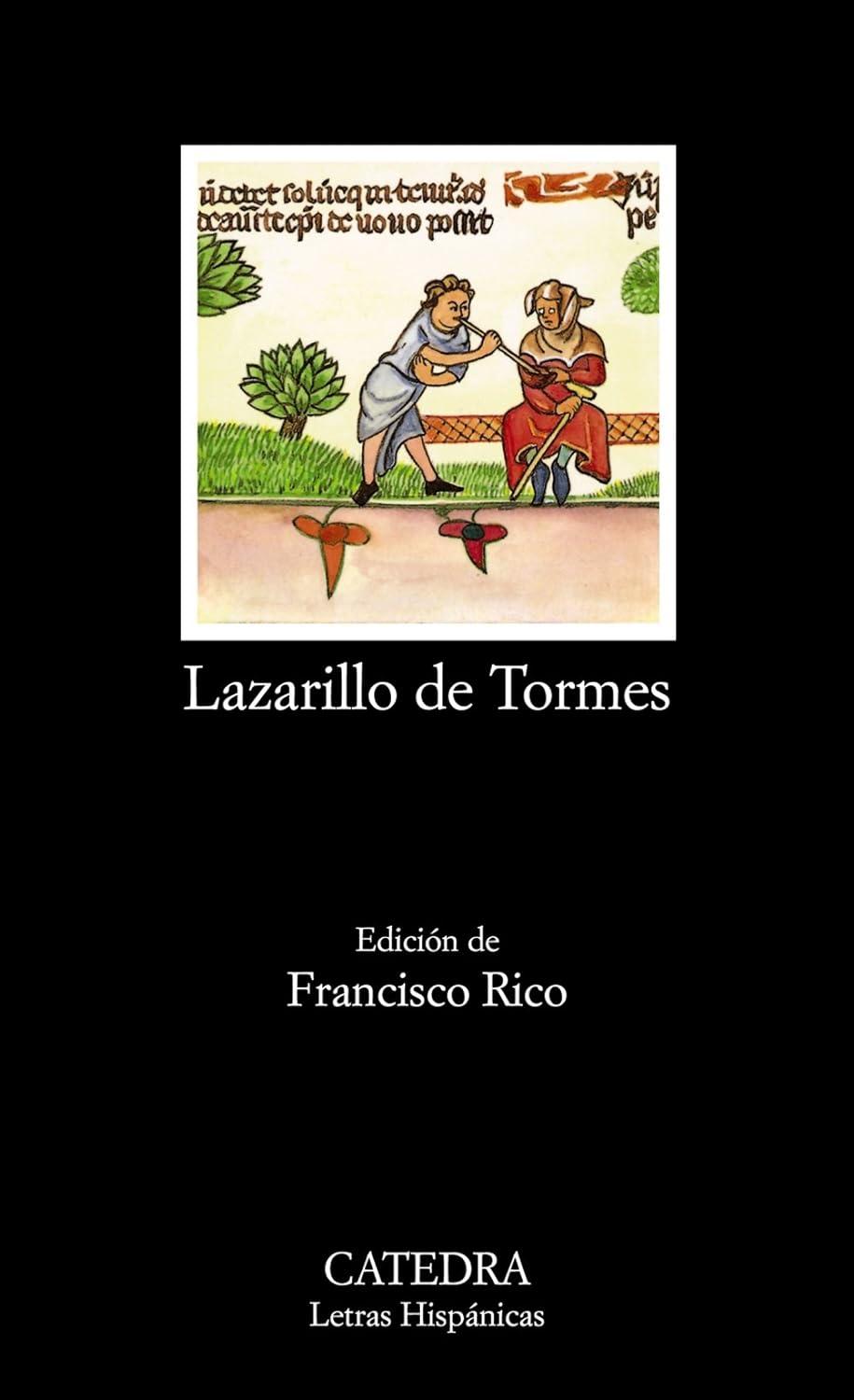
Lazarillo de Tormes, an anonymous masterpiece of sixteenth-century Spanish literature, opens with the young Lazarillo’s birth along the banks of the Tormes River. His father, a humble wagoneer, meets an untimely death in a skirmish, leaving his mother Isabel to care for him alone. She finds work in Toledo and entrusts her son to a blind beggar named Zaide, hoping he’ll learn to fend for himself. From their first meeting, Zaide proves more interested in wine than in teaching Lazarillo the art of begging.
Before long, Lazarillo’s mother arranges for him to serve a blind man, whom he addresses as simply el ciego. The blind man’s craft is cruelty: he lurches through the streets, feigning injury and demanding alms. Lazarillo learns to spot coins beneath the cloak, and he devises sly tricks to keep a share for himself. One morning, after a particularly harsh beating for “wasting” food, Lazarillo builds a toy horse out of chalk and wins back a crust of bread by impressing his master with its realistic gallop. Yet bread doesn’t soften the blind man’s heart, and he beats Lazarillo again for failing to catch real food.
After months of hardship, Lazarillo seizes his chance for freedom. The blind man attempts to drown him in the Tagus River during a supposed game of trust. Scared to death, Lazarillo clings to the side, and when the beggar tires, Lazarillo strikes him with a battered crust. He runs off, escaping the blind man’s brutal care.
Lazarillo then finds work under a proud but penniless squire who rumored to have noble blood. The squire, clad in finery but starving inside, expects Lazarillo to provide for them both. Lazarillo scrapes together scraps, steals onions, and rattles his empty wallet whenever the squire hears approaching footsteps. But the squire’s pride forbids begging or borrowing, so they often go hungry. One night, Lazarillo triumphs by cooking a loaf of bread in a hiding spot. The squire tastes it, weeps, and offers Lazarillo his first genuine gratitude.
The respite fades quickly. A sentry’s shout drives Lazarillo and the squire to flee. Exposure and hunger send the squire to deliberate disgrace, and he abandons Lazarillo beneath a bridge. Alone and destitute again, Lazarillo roams the streets until a kindly friar of the Mercedarian order takes him as his page.
The friar differs greatly from his previous masters. He provides wine and cheese, and he even shares his own pasture. Lazarillo feels pampered for the first time, gorging himself until he grows portly. Yet the friar scoffs at Lazarillo’s habits when he notices him hoarding cheese for midnight feasts. One evening, the friar notices the missing cheese and chases Lazarillo across the courtyard, brandishing a cudgel. Terrified, Lazarillo escapes through a hole in the wall and leaves the convent behind.
Next, Lazarillo accepts service with a pardoner who sells indulgences for sins. The pardoner dresses in velvet and jewels and preaches fiery sermons to convince listeners that only his parchments can cleanse their souls. Lazarillo sits by his side during masses, watching terrified women clutch their rosaries. Yet while Lazarillo trembles at the booming voice, he picks coins from frightened hands. Sometimes he even slips a coin into his own pocket when the pardoner isn’t looking.
When the pardoner’s trade slows, Lazarillo moves on to serve a drunken chaplain. This master feeds him beans cooked in oil—so rich that Lazarillo fears he’ll float away. He watches the chaplain stagger into taverns, returning late and spilling wine along the dusty floor. Lazarillo steals two roasted pigeons one evening, but the chaplain catches him and, in rage, hurls clay pots down a staircase. Lazarillo dashes off, unscathed but feeling the sharp sting of betrayal.
His next post is with an alguacil, a law officer charged with transporting criminals. The alguacil prides himself on uniforms and chains, but he refuses to share a single bite with Lazarillo. Night after night, Lazarillo scrapes a crust of stale bread from the jail’s floors to keep his belly from howling. One dawn, he stumbles upon a hidden purse beneath a bench and pockets the coins with guilty relief. When the alguacil discovers his loss, he tortures prisoners to extract revenge, and Lazarillo flees in horror.
Eventually, Lazarillo joins the household of a church clerk who claims to be devoted to piety. This cleric cherishes the Eucharist above all and hides consecrated wafers in carefully locked boxes. Lazarillo, who has endured hunger all his life, watches the cleric’s routine: prayers at dawn, locked cupboards, midnight vigils. One night, while the cleric sleeps, Lazarillo creeps into the pantry and devours every crust. He wakes to the clerk’s shriek but slips away undetected, his empty stomach finally sated.
Summoned by his mother once more, Lazarillo returns to Toledo and takes a stablemaster as his final master. The stablemaster tolerates Lazarillo’s pranks and even shares a jug of wine now and then, but he insists on absolute honesty. Under this master’s roof, Lazarillo meets a young man named Zaide—no relation to his former guardian—who hauls wood and sleeps beneath the eaves. They strike up a friendship built on jokes and shared grumbles about their masters.
When Zaide is caught stealing food, he confesses to the stablemaster out of fear. The stablemaster punishes them both, but mysteriously spares Lazarillo. Soon after, Zaide disappears, and Lazarillo is granted freedom with a small cloak and a donation from the stablemaster.
With no master left, Lazarillo seeks stability. He finds work as a town crier and marries the archpriest’s maid, whose dowry and patronage offer him refuge. He moves into a modest lodging near the cathedral and begins to earn a steady income by announcing decrees, deaths, and fairs.
As Lazarillo settles into middle age, he reflects on his journey through Spain’s underbelly. He’s learned cunning, deceit, and survival, yet he’s gained no true honor. His marriage provides food on his table, but his mistress’s greed for tithes and offerings leaves him restless. He wonders whether honesty truly pays or if slyness built his fortune.
In the final lines, Lazarillo addresses the king directly, requesting a small pension for his service to the church and crown. He suggests that a few coins might soothe his old bones and secure his family’s peace. It remains unclear if the king will heed his plea.
Lazarillo’s tale ends without moralizing. Instead, it offers a vivid snapshot of sixteenth-century Spain, where poverty and pride collide. Through misadventures and trickery, Lazarillo survives. His story remains a timeless portrait of human cunning and the quest for dignity in a world stacked against the poor.
Detailed Summary
Plot Summary
1. Early Hardship and Baptism
Lázaro de Tormes opens with a brief note from the narrator explaining that he reports events truthfully, without exaggeration or omission. He describes his birth in the town of Tormes and the shame surrounding his parentage. His mother, Antoña Pérez, gives him to a blind beggar as a servant when he is just a boy.
From the start, Lázaro learns that life demands cunning. The blind man forces him to beg on the streets, beating him if his share of alms falls short. Yet this harsh apprenticeship also teaches Lázaro observation: he notices which houses hide more alms and how to avoid the beggar’s cruel tricks.
Despite the cruelty, Lázaro clings to his master. The bond grows strange: he fears the man’s stick but also depends on the meager food he shares. By serving the blind beggar, Lázaro takes his first step into a corrupt world where wit means survival.
2. Service Under the Cruel Priest
After escaping the blind beggar, Lázaro secures a new master: a miserly priest who hoards every crumb. The priest locks away bread and olives in a chest that squeaks at every opening. Lázaro, ever resourceful, uses a key to raid it at night.
He rigs a rope-and-nail assembly to hear the chest door squeal, alerting him when the priest returns. Each theft increases his skill in stealth, though his conscience tugs at him. He philosophizes that hunger justifies his actions.
At dawn, Lázaro feasts alone, only to find hours later that the priest suspects nothing. Eventually, the injustice becomes too glaring: the clerk starves in rags while the priest dines luxuriously. Lázaro flees again, eager for a master whose generosity matches his greed.
3. The Proud Squire
Lázaro’s next master is a squire of noble airs but empty pouches. The man dresses in fine doublets and waxes his boots, yet he lacks money to buy bread. Each evening, Lázaro begs for coins, only to return to share his scant meal with the squire, who claims he will soon settle his debt.
Their roles reverse: the servant feeds the lord. Lázaro laments his blind faith in the squire’s promises. He watches the man vanish at dawn, chasing phantom wealth, and returns at dusk to recount an imaginary triumph in court.
When Lázaro finally confronts him, the squire admits he has no invisible purse. Embarrassed and ashamed, Lázaro leaves. He learns that pride often masks poverty as sharply as rags hide hunger.
4. Wife of the Tavern-Keeper
Escaping the squire’s hollow grandeur, Lázaro finds work in an inn under a tavern-keeper and his cunning wife. This woman controls food, drink, and profit. She swears servants to secrecy about her tricks to boost sales by hiding portions and charging extra.
Lázaro grows uneasy: every cup of wine and slice of meat hides deception. She teaches him to manipulate guests—serve stale bread but praise it, demand extra tips yet deny service to those who balk. He watches how she exploits hospitality for gain.
One night, the wife accuses Lázaro of theft after finding empty plates where chickens had been. She beats him for something he did not steal. Horrified, Lázaro flees into the streets, vowing never to return to a house where trust turns to lashings.
5. Pilgrimage with the Pardoner
Next, Lázaro joins a pardoner who sells false relics and indulgences on pilgrimage. The swindler offers forged cloths and bone fragments, promising absolution. Lázaro helps carry his bags and greets townsfolk at market squares.
He learns the art of salesmanship: frame a relic’s story, appeal to fear of damnation, then demand alms. Lázaro feels shame as believers kneel to kiss the pardoner’s trinkets. Yet he cannot deny the profit: customers empty their purses.
When authorities search for counterfeit relics, the pardoner escapes by bribing guards. Lázaro slips away during the chaos, disgusted by the ease of duping piety for profit. He marries soon after, hoping solid ground await him.
6. Marriage and Final Settlement
After wandering through masters, Lázaro attains a stable clerk’s position in Toledo. He marries the archpriest’s chambermaid, a woman of questionable repute, hoping to secure comfort. Yet small scandals dog their union: neighbors whisper about her affairs.
Lázaro learns to live by his wits at home too. He tolerates his wife’s liaisons, knowing that any quarrel could cost him his fragile post. He rationalizes that peace demands patience.
In the final chapter, he presents his life as a testament to human hypocrisy and the virtues of compromise. The priest’s steady pay may tarnish his honor, but it buys him security. Lázaro ends by urging readers not to judge too harshly: each man must choose survival in a flawed world.
Characters
1. Lázaro de Tormes (Protagonist (Pícaro))
“I tell my story with no lies and hold back no truth.”
Lázaro narrates his own story in first person, tracing his rise from orphan to middle-class clerk. He adapts to each master’s cruelty or folly with ingenuity, learning to mask hunger with cunning. His voice stays witty even as he endures hardship, inviting readers to share both pity and amusement.
Over time, he sheds youthful innocence. Each episode sharpens his moral flexibility: he steals bread without remorse, betrays masters to save himself, and tolerates his wife’s infidelity to keep his job. Yet beneath his sly exterior, he wonders if a better life might exist. His tale reveals how environment shapes character.
2. The Blind Beggar (First Master)
“Mind the path, boy. If you stray, I’ll break more than your pride.”
This cruel beggar teaches Lázaro his first lessons in cunning. He mocks the boy’s hunger, commands him to beg in dangerous streets, and beats him with a stick. Yet he also trusts Lázaro to guide him, showing a twisted dependence.
He shapes Lázaro’s worldview: survival demands wits over strength. Though feared, the blind man earns Lázaro’s sympathy when he begs with genuine pain. Their complex bond lingers in the boy’s memory as both a source of terror and a strange respect.
3. The Priest (Second Master)
“Charity begins at home, yet why share what no one gave?”
A miserly churchman who starves his servant while hoarding food. He hides bread in a squeaky chest and punishes any clue of theft. His hypocrisy stings Lázaro: he preaches charity yet lives in luxury.
Despite his cruelty, the priest remains devout in appearance, reciting mass with fervor each day. Lázaro resents the moral gulf between his master’s words and actions. This conflict fuels his satire of religious corruption.
4. The Squire (Third Master)
“Better starve in style than feast in shame.”
An impoverished noble who strives for dignity he cannot afford. He wears fine clothes and boasts of courtly ties but cannot feed himself. He depends on Lázaro’s begging, reversing the master-servant roles.
The squire exemplifies pride’s power to mask need. He rejects alms that might stain his reputation, instead sending his servant for coins. Lázaro admires his hauteur yet recoils at the waste of honor over sustenance.
5. The Tavern-Keeper’s Wife (Key Supporting Character)
“Never trust a plate, child, until you taste every crumb yourself.”
A shrewd innkeeper’s wife who runs her establishment like a fortress. She hoards supplies, cheats guests on portions, and punishes anyone who crosses her. Her household depends on deception for profit.
She becomes the first woman in Lázaro’s life to wield power over him. Through her, he sees gender as another axis of authority and survival. Her vindictive slaps teach him fear of female cunning.
6. The Pardoner (Fourth Master)
“A saint’s bone or a sinner’s lie? Both feed the poor purse.”
A roaming seller of false relics who embodies religious fraud. He spins livelihoods from believers’ guilt, peddling cloth fragments and bone splinters for indulgences. His bravado masks his fear of arrest.
Lázaro learns showmanship from him: stage the relic, invoke divine wrath, then collect the coins. When the law closes in, the pardoner bribes officials to save his scam. His flight cements Lázaro’s distrust of sacred promises.
Themes Analysis
1. Survival through Cunning
Lazarillo’s life shows that resourcefulness wins where force fails. He uses stealth to steal bread, eavesdrops to learn secrets, and spins promises to protect himself. Each trick reflects his forced choice: die of hunger or outwit another soul.
This theme examines moral ambiguity. Lázaro steals not from greed but from need. His actions question whether the end justifies the means when society denies honest work. The novel asks readers to consider how poverty warps virtue.
Ultimately, survival trumps moral certainty. Lázaro’s final acceptance of compromise underscores how necessity reshapes ethics. The cunning that once ashamed him becomes his ticket to stability.
2. Hypocrisy of Social Classes
Every master Lázaro serves preaches virtue while living vice. The blind beggar feigns piety yet beats his servant. The priest extols charity yet starves Lázaro. The squire cherishes honor more than food.
These contrasts expose society’s double standards. Clothing and titles conceal moral decay. Through satire, the novel reveals how each class clings to appearance over substance, highlighting the gulf between public virtue and private vice.
By chronicling Lázaro’s shifting masters, the story critiques social order itself. Nobility, clergy, and merchants alike manipulate values to preserve status. Hypocrisy emerges as the glue holding corrupt hierarchies in place.
3. Corruption of Religious Institutions
Religious figures in Lázaro’s world serve self over salvation. The priest hoards food, the pardoner sells forgiveness, and church hierarchy thrives on alms. Lázaro watches holy offices become profit centers.
This critique extends beyond individuals to the institution. The clergy’s failure to feed the poor or guide souls tarnishes religion’s moral authority. Through irony, the narrative suggests that faith without charity is hollow.
Lázaro’s cynicism toward faith mirrors his larger distrust of authority. While he respects genuine faith, he cannot ignore the church’s role in perpetuating poverty through exploitation.
Key Plot Devices
1. First-Person Epistolary Frame
The novel begins as a letter to an unnamed official, granting Lázaro license to tell his life story honestly. This frame lends immediacy and confessional tone. Readers feel they receive unvarnished truth.
By addressing a higher authority, Lázaro gains both protection and intimacy. His direct appeals and justifications create a bond. This device underscores the tension between personal story and public record, highlighting the blurred lines between fact and artifice.
2. Episodic Structure
Lazarillo’s tale divides into distinct servitudes, each a self-contained episode. This modular design mirrors picaresque tradition and stresses variability in human vice.
The episodic form allows sharp contrasts: cruelty of the blind beggar, hypocrisy of the priest, pride of the squire. It also gives Lázaro freedom to adapt anew each time. The structure emphasizes that life’s challenges arrive in unpredictable chapters rather than a single arc.
3. Irony and Satire
The narrative deploys irony at every turn. Lázaro often voices naïve observations that undercut his masters’ declarations. His deadpan delivery spotlights absurdities in social norms.
Satire permeates the prose: sacred offices become shameful trades, beggars outwit the high-born. By ridiculing authority, the novel urges readers to question accepted truths. This sharp tone drives home the moral: society’s shamelessness hides behind familiar masks.







