SUMMARY
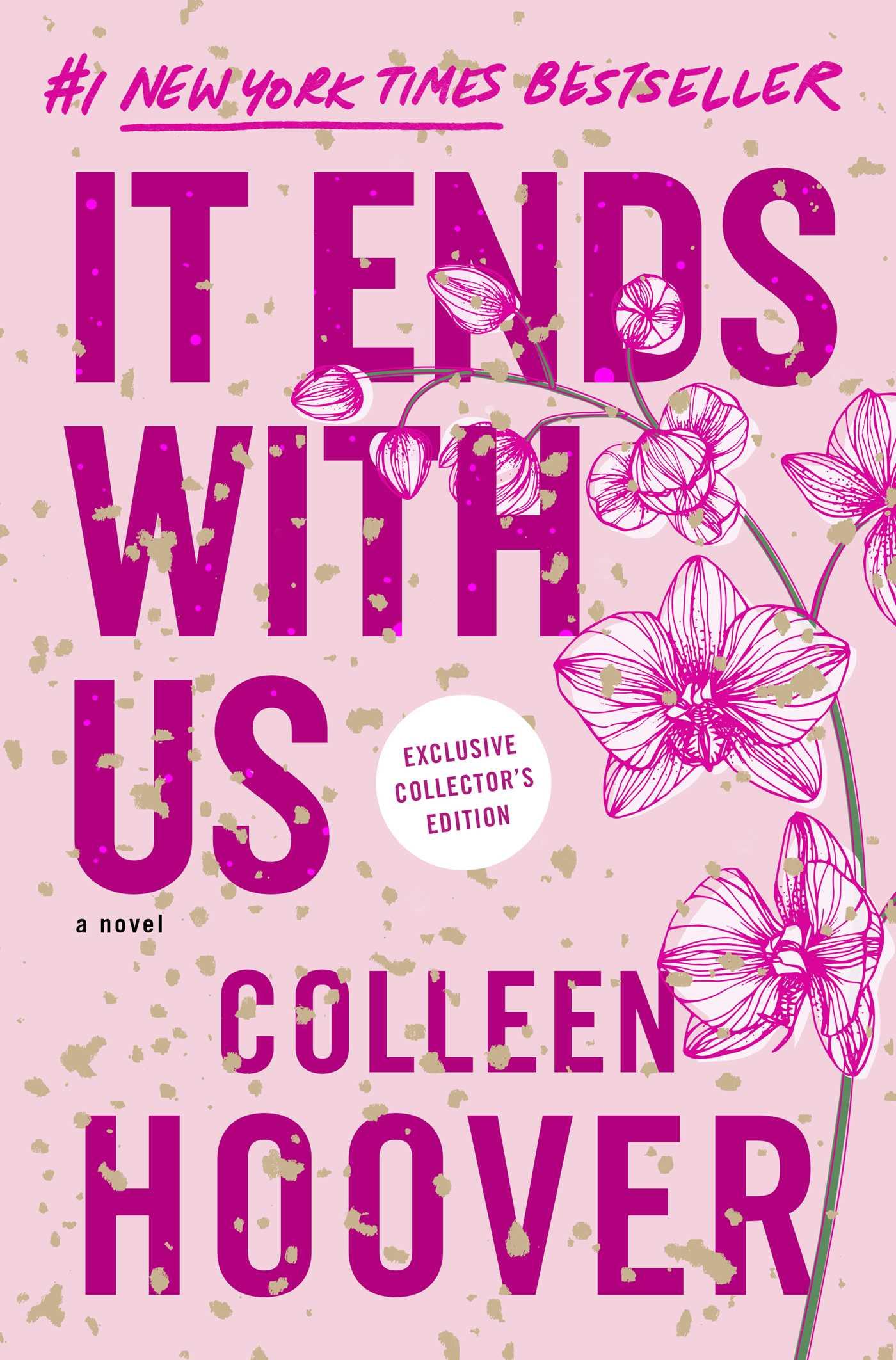
It Ends with Us by Colleen Hoover follows Lily Bloom as she builds a life in Boston and wrestles with her past and present.
Lily arrives in Boston with a dream: to open her own flower shop. She finds a job at a high-end magazine and pours her energy into design and bouquets. Despite a difficult childhood marked by her father’s abuse and her mother’s silence, Lily feels determined to forge a new path. She moves into a bright loft and decorates every corner with fresh blooms.
One evening, Lily meets neurosurgeon Ryle Kincaid on a rooftop. He’s smart, confident, and cynical about relationships. Their banter crackles. Lily finds his intensity thrilling, though he insists he won’t date. Under the city lights, they share a vulnerable moment. Lily senses both walls and warmth in him.
As Lily settles into her blossoming career, memories of her first love, Atlas Corrigan, surface. Atlas was a homeless teen Lily secretly housed and fed when she was seventeen. He taught her courage. They wrote letters until Atlas vanished to protect her. Lily still treasures one faded note.
Ryle pursues Lily despite his no-strings rule. He calls her on weekends and sends orchids for her shop. She laughs at his teasing texts and lets herself hope. They spend weekends exploring the city—strolling art galleries, picnicking by the Charles River, stealing kisses in quiet corners. Lily feels seen and safe.
Then Ryle admits a fear: he never wants children. Lily faces a dilemma. At twenty-eight, she’s ready for a family. Their talk turns tense. Lily loves him but worries her future won’t align with his. Ryle apologizes and promises to rethink. They find a fragile compromise.
Just as things feel steady, Atlas reappears. He’s changed—stronger, successful, kind. He visits Lily’s shop and greets her with the same gentle concern. Their old bond reignites. Lily feels tender around Atlas, and guilty about her growing confusion.
Meanwhile, Ryle grows closer, inviting Lily to meet his family. Dinner at his parents’ home feels warm and ordinary. His mother fusses over Lily’s health, and his father praises her drive. Lily glimpses the life she might have. Yet Ryle still shuts down when Lily brings up his past trauma.
One night, Lily stumbles on Ryle’s painful secret. He witnessed his sister’s death as a child and blames himself. Though he never shared this before, Lily listens without judgment. She reaches for his hand, vowing support. They share a rare moment of deep honesty.
But the cracks return. During an argument over Ryle’s refusal to go to couples therapy, he lashes out and pushes Lily against a wall. Horrified, she flees to her bedroom. The next morning, he’s contrite, too ashamed to apologize fully. Lily treads carefully, torn between fear and loyalty.
While Lily struggles, Atlas becomes a steady presence. He reintroduces Lily to a world without fear. They volunteer at a women’s shelter together, and he shows her that love can heal. Lily feels gratitude—and old longing.
Ryle’s violence resurfaces when Lily discovers bruises on her arm. He swears it’s an accident, blaming stress, but Lily knows better. Conflicted, she hides her pain. She recalls her mother’s choice to endure abuse rather than leave. Lily realizes she can’t repeat that cycle.
At a book launch event for her new flower design guide, Lily confronts Ryle. She explains that love doesn’t excuse abuse. She refuses to let fear win. Ryle begs forgiveness, but Lily understands she must break free. She relocates her shop and her life.
In the aftermath, Lily reconnects with Atlas by sharing her story. He supports her decision and gently suggests they try again. Lily isn’t sure about rekindling romance, yet she feels hopeful.
Months later, Lily finds strength in her independence. Her shop thrives and her heart slowly heals. She writes her own story—one of resilience, love, and boundaries. She dedicates her success to every woman who dared to say enough.
It Ends with Us closes with Lily’s diary entry about building a new future. She acknowledges that love can end—and begin—on one’s own terms. In doing so, she reclaims her power and redefines what it means to love without fear.
DETAILED SUMMARY
Plot Summary
1. Lily’s Early Years and Family Shadows
Lily Bloom grows up in a small Massachusetts town, the only child of a mother who fled an abusive marriage. From her earliest memories, Lily watches her mother’s strength bloom alongside hidden scars. She learns both resilience and the cost of silence. At ten, Lily visits the local cemetery, admiring the flowers she plants at her father’s grave. She feels both loss and relief that his harsh presence is truly gone.
School brings Lily unexpected connections. She befriends Atlas Corrigan, a homeless boy who once lived at her mother’s diner. Atlas’s world feels both dangerous and inspiring. She slips him sandwiches, offers him warmth, and shares dreams of travel. In Atlas’s company, Lily tastes both fear and freedom.
As Lily reaches high school, her mother warns her about love’s shadows. She tells Lily: “Don’t let a man dim your light.” These words shape Lily’s ambition. She vows to build a life of her own, far from the silent suffering she witnessed. Yet, she also fears vulnerability. She wonders if she can trust her own heart.
Years later, Lily leaves for Boston, determined to create a floral business called Lilium. She throws herself into design classes and late nights at a coffee shop. Her mother’s warnings echo in her mind, but so does Atlas’s promise that she deserves kindness. Lily balances ambition against a yearning for connection.
When Lily’s mother falls ill, she pauses her dreams to care for her. Through the blurred months of hospital lights and hushed conversations, Lily matures. She recognizes her mother’s unspoken fears and finds gratitude in small victories. She vows to honor her mother by living boldly, not in hiding.
2. Meeting Ryle Kincaid: Chemistry and Caution
Ryle Kincaid is a neurosurgeon with fierce ambition and a strict code: no serious relationships. Lily meets him by chance on a rooftop in Boston. He teases her while she sketches wildflowers against the city skyline. Their banter crackles. She admires his confidence; he admires her creative spark.
Their chemistry is immediate. Ryle sweeps Lily into a whirlwind of dinners, late-night drives, and private jokes. He warns, “I’m not the committed type.” Lily hesitates but believes she can handle a casual romance. Her past taught her to protect her heart.
Ryle’s walls fascinate Lily. He tells her about his demanding job and his struggle to balance life. She senses untold pain behind his steady gaze. Still, his warmth on quiet nights makes her hopeful. She decides to trust him, despite Atlas’s warning that some wounds run too deep.
As their relationship deepens, Lily fears losing herself. She still tends Atlas’s old hiding spots, longing for his familiar comfort. Yet Ryle’s passion and success lure her into believing she’s finally found someone to build with. She dreams of Lilium expanding, of Ryle by her side. She doesn’t see how quickly lines can blur.
Their romance accelerates. Ryle insists on exclusivity, surprising Lily. She feels treasured, but she can’t shake Atlas’s shadow. She wonders if she’s rushing into a lifelong promise too soon. She tries to reconcile her head’s caution with her heart’s desire.
3. Reunion with Atlas: Past and Present Collide
A surprise delivery at Lily’s shop changes everything. A letter arrives for Atlas Corrigan, addressed years after he vanished. Lily’s breath catches. She hasn’t heard from him in over a decade. She arranges to meet him at a quiet bookstore.
Atlas arrives transformed. He’s safer now—employed, housed, determined. Their reunion feels like a balm. He compliments Lily’s floral arrangements and admits he read every note she tucked in his sandwiches. Lily shares her successes and fears. They laugh comfortably, as if time paused.
Their friendship kindles old flames. Lily realizes how deeply she cared for Atlas’s kindness. He warns her about Ryle’s unpredictable ways. Yet Lily defends her fiancé, unwilling to risk her hard-won happiness. As Atlas shows her the sketches he made of her rooftop flowers, Lily feels torn between past and future.
Despite protests, the past seeps in. Lily remembers Atlas’s promise: “Never settle for anything less than you deserve.” She wonders if love should ever hurt. Their reunion reminds her of the girl who believed in pure dreams. She resolves to protect that dream, whatever the cost.
4. Shadows Emerge: Violence and Guilt
On a quiet Saturday, Lily returns home to find Ryle agitated over a medical crisis. When she presses him, he explodes in anger. His hand strikes her. Time stops. Lily feels shock, guilt, and fear swirl at once. She brushes it off, blaming stress.
Days later, Lily confronts Ryle gently. He apologizes, tears in his eyes. He promises he’ll never hurt her again. Lily feels relief and relief mingled. She convinces herself this was an isolated moment. She buries her doubts.
But violence resurfaces. Ryle’s outbursts grow more intense. Each apology chips away at Lily’s resolve to leave. She knows the cycle of abuse—she watched it in her mother. Guilt and shame bind her. She questions whether she provoked him. She believes love can fix broken people.
Atlas sees her bruises. He insists she deserves better. Lily crumbles, admitting her fear that leaving means losing everything. Atlas offers support, but Lily fears a scandal. She still loves Ryle, still imagines a future with him. She hopes someone else will mend his anger.
5. Choices and Breaking Points
Lily’s mother’s memoir surfaces, describing her decision to leave Lily’s father. Lily reads about the fear that drove her mom away. Tears blur her vision. She realizes her own fear and clinging have kept her trapped. She vows to break the cycle.
Ryle’s behavior worsens after a dispute. Lily stands firm, refusing to apologize for his anger. He shouts, forcing her to retreat. Lily calls the police, trembling. That night, wrapped in Atlas’s old army blanket, she finds clarity. Abuse isn’t love.
The next morning, Lily meets Ryle. She tells him their engagement is off. Her voice shakes, but she doesn’t waver. Ryle pleads, promising change. Lily refuses. He begs for forgiveness; Lily turns away. She steps into a new dawn.
Lily writes a blog post for other survivors. She shares her story without naming names. Her words spark conversations and hope. She finalizes her memoir project about women who break free. She honors her mother’s legacy and Atlas’s kindness. Lily finds peace in her own strength.
6. Rebuilding and Hopeful Tomorrows
Lily pours herself into Lilium’s expansion. She opens a second studio with bright windows and open shelves. Her designs reflect both fragility and strength. Clients admire her honesty and artistry.
She reconnects with Atlas as friends. Their bond remains precious, unburdened by old expectations. He helps her organize community workshops for abuse survivors. Together, they plant a garden memorial in the town cemetery, where Lily once laid flowers alone.
Lily’s mother recovers enough to visit the new studio. They hug amid roses and lilies. Lily thanks her mom for showing bravery. They laugh over shared memories and plan a mother–daughter trip. The future glows with possibility.
While Lily hasn’t chosen a new partner, she no longer feels incomplete. She recognizes her worth and trusts her heart. As she arranges a bouquet, she recalls Atlas’s words: “You deserve a love that honors you.” Lily smiles. Love may come again, but only on her terms.
Characters
1. Lily Bloom (Protagonist)
“I’m not a victim, and I will never believe my story is one.”
Lily Bloom is a florist, memoirist, and survivor. She shows fierce independence tempered by deep empathy. As a child, she vowed never to repeat her parents’ mistakes. She builds her business, Lilium, from the ground up, mixing blooms and memoirs in equal measure. Despite her success, Lily battles self-doubt. She craves love yet fears losing herself in it. Her journey tests her belief in love’s power and her own strength.
By novel’s end, Lily emerges wiser and braver. She rejects the notion that love demands sacrifice of self. Instead, she holds both kindness and boundaries as sacred. Her delicate blooms symbolize her resilience. Lily stands as a testament to self-worth and compassionate courage.
2. Ryle Kincaid (Antagonist and Love Interest)
“I never wanted to hurt you. And if I did, I’m sorry doesn’t even begin to cover it.”
Ryle Kincaid is a brilliant, driven neurosurgeon with a stark rule: no relationships. He prizes control and excellence above all else. Under his calm exterior lies unresolved trauma and a fragile sense of worth. He showers Lily with passion, then crashes into violent fits of anger. His charisma and guilt-laden apologies keep Lily hoping for change.
Ryle’s arc shows how hidden wounds can corrupt love. He forces Lily—and readers—to confront the dark side of devotion. Though he never fully redeems himself, his presence catalyzes Lily’s awakening. He remains a complex, tragic figure whose brilliance can’t mask his deepest flaws.
3. Atlas Corrigan (Key Supporting Character and Childhood Love)
“You deserve someone who will never doubt how much you’re worth.”
Atlas Corrigan is Lily’s first love and lifelong guardian angel. Abandoned and homeless, he once lived at Lily’s mother’s diner. He dazzled Lily with kindness and unwavering belief in her dreams. He left to forge a stable life, building a career and home. When he returns, he offers Lily both friendship and a mirror to her worth.
Atlas embodies healing and hope. He never pressures Lily to choose him; instead, he supports her journey to self-love. His gentle presence reminds Lily of her own value. Atlas’s steadfast integrity and quiet strength guide Lily toward breaking her cycle of survival.
4. Ellen Bloom (Lily’s Mother and Mentor)
“Never dim your light to make someone else comfortable.”
Ellen Bloom is both the pillar and the wounded heart of the Bloom family. She escaped an abusive marriage to raise Lily alone. She builds a diner from scratch, working double shifts to ensure Lily’s safety and comfort. Ellen’s love shines in her fierce protectiveness and her careful lessons on boundaries.
When her past resurfaces, Ellen’s quiet struggles reemerge. She battles guilt and fear but never loses hope. Her memoir offers Lily the courage to face her own turmoil. Ellen demonstrates that true bravery often comes in small acts: closing a door, laying down a memory, tending a wounded soul.
5. Marshall Kincaid (Secondary Supporting Character)
“We all break sometimes, Ryle. It’s what we do after that matters.”
Marshall Kincaid is Ryle’s younger brother, an emergency physician. Warm and perceptive, he senses Ryle’s volatility. He tries to counsel Ryle through his breakdowns. Marshall befriends Lily at dinner parties, offering subtle support and concern.
Though not a central figure, Marshall’s steadiness contrasts Ryle’s volatility. He quietly stands by Lily when she needs help, mirroring Atlas’s gentle strength. His presence underscores the novel’s theme that kindness can bloom even in fierce families.
Themes Analysis
1. Cycle of Abuse and Breaking Free
It Ends with Us explores the painful cycle of abuse through two generations. Lily’s mother fled her violent marriage, forging a path Lily vows never to follow. Yet Lily finds herself entangled in a similar pattern with Ryle. The novel reveals how love can blind us to danger, how guilt and hope trap survivors in silence.
Colleen Hoover shows that breaking free requires both courage and support. Lily finds strength in her mother’s memoir and Atlas’s friendship. She chooses self-worth over devotion to a broken ideal of love. The narrative suggests that healing begins when survivors name their pain and refuse to repeat it. It emphasizes that survival isn’t just escape—it’s choosing a new story.
2. Love, Boundaries, and Self-Worth
Love in this novel isn’t a fairy tale. It comes with boundaries. Lily learns that genuine love uplifts rather than diminishes. Ryle’s apologies, though heartfelt, can’t excuse his abuse. Lily’s decision to end their engagement highlights that self-worth must precede romantic devotion.
Through Lily’s journey, readers see how boundaries safeguard the heart. When she enforces them, she reclaims agency. Hoover suggests that true love honors individuality rather than demands surrender. The novel reframes romantic love as a partnership of equals, guided by respect and kindness.
3. Healing Through Community and Storytelling
Storytelling becomes Lily’s tool for healing. She writes a memoir to process trauma and help others. Her blog ignites honest conversations about abuse and survival. Hoover illustrates that sharing stories builds community and breaks isolation.
Atlas and Ellen both model healing through connection. Ellen’s diner once sheltered Atlas; Lily’s studio becomes a haven for survivors. The novel portrays community as a garden—each act of truth and compassion nourishes new growth. It pushes readers to see vulnerability as a strength that invites collective healing.
Key Plot Devices
1. Lily’s Mother’s Memoir
Ellen Bloom’s unpublished memoir anchors the novel’s emotional truth. When Lily reads her mother’s words, she recognizes the echoes of history in her own life. The memoir serves as both mirror and map: Lily sees her mother’s courage and finds a path to her own liberation.
This device deepens the narrative by linking past and present. It reminds readers that resilience often passes through generations. Lily’s decision to publish her mother’s story honors her memory and transforms private pain into a beacon for others.
2. Atlas’s Return Letter
The letter Lily receives at Lilium marks the turning point in the story. It resurrects her childhood bond with Atlas, forcing her to reassess her present. This device propels Lily into a confrontation with her past, illuminating both her strengths and fears.
By reintroducing Atlas, the novel contrasts gentle loyalty with Ryle’s volatility. The letter catalyzes Lily’s awakening. It shows how hope and truth can arrive unexpectedly, even when love seems lost.
3. The Cycle of Violence Encounters
Key scenes of Ryle’s outbursts punctuate the narrative. Each instance of violence, followed by remorse, reveals abuse’s cyclical nature. These moments heighten tension and force Lily—and readers—to question the limits of forgiveness.
By revisiting these scenes, Hoover illustrates how abuse erodes self-esteem. They underscore the novel’s message: love demands respect, not fear. Lily’s ultimate stand against violence becomes a powerful testament to breaking harmful patterns.