Summary
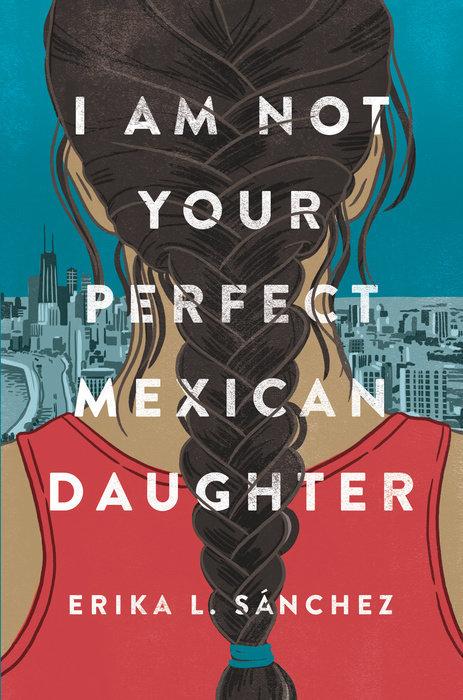
I Am Not Your Perfect Mexican Daughter by Erika L. Sánchez follows Julia Reyes, a Mexican American teenager living in Chicago. From the first pages, Julia feels the weight of expectations from her family and her culture. They wanted her older sister, Olga, to be the model daughter. Olga met their hopes: she excelled in school, socialized with the right friends, and seemed to have everything under control. But when Olga died in a tragic accident, Julia’s world shattered, and so did her family’s image of perfection.
Julia often wakes up to her parents’ sighs and their silent comparisons to Olga. At school, people whisper about her. Some pity her. Others expect her to fill Olga’s shoes. She copes by ignoring her grief, turning instead to pizza, TV, and her best friend, Lorena. Julia keeps secrets of her own: she’s saved money for college, even though her parents think only top grades matter. She chafes at their rules and their pressure.
Meanwhile, her mother puts on a brave face. She works long hours at the phone bank and dreams of Olga’s bright future, now lost. Her father buries himself in work at the post office. They rarely speak to Julia, as if silence could wipe away their pain. Julia feels invisible and unworthy, convinced she’ll never match Olga’s success.
Then Julia discovers a letter that hints at a very different Olga. The note suggests Olga was unhappy and had plans of her own. Julia hunts for more clues in Olga’s room, which her parents have sealed off. Eventually, Julia sneaks inside and finds a hidden notebook, a photo, and scraps of letters. She learns that Olga was not the perfect daughter she appeared to be.
One late night, Julia teases out Olga’s words about being pregnant and alone in Mexico before she moved to Chicago. Olga had planned to keep the baby or place it for adoption, but she never told the family. Julia’s heart pounds as she reads of her sister’s fear and shame. She realizes Olga struggled more than anyone guessed.
This revelation fills Julia with both pain and relief. She feels closer to Olga for the first time, but it also makes her question everything her parents knew. She confronts them, demanding the truth. They respond with anger and denial, afraid to admit their daughter’s hidden life. Julia storms out, furious and wounded.
In the days that follow, Julia drifts. She misses school, skips meals, and nearly quits on her college fund. Lorena confronts her, reminding Julia that Olga wouldn’t want her to give up. Julia tears through more of Olga’s journals, discovering her sister’s love for literature and her dreams of becoming a painter. Julia begins to see the sister she never knew.
Her parents, too, start to change. They visit Olga’s grave together and finally speak her name without tears. Her mother shows Julia a letter Olga wrote just before she died, saying she felt trapped but hopeful. Julia grasps her mother’s hand. They stand united in grief and guilt.
Julia returns to school. She applies to colleges and finds the courage to tell her teachers about her sister’s secret. She pushes for financial aid and prepares for SATs. For the first time, she pursues her own dreams — writing and art — rather than the straight-A life Olga maintained.
Her senior year brings new challenges. Julia works part-time at a café to help with bills. Her parents struggle less with silence and more with pride as Julia blossoms. She paints scenes of Chicago streets and writes poems about her heritage and loss. These creations comfort her and surprise her family.
On graduation day, Julia’s mother hugs her tightly. She whispers that she’s proud, even if Julia is not perfect like Olga. Julia realizes that perfection meant hiding pain, and she refuses to do that anymore. She embraces her flaws as part of her story.
In the months before college, Julia visits family in Mexico. She learns about the sister who came before, the cousin who remembered Olga’s laughter, and the aunt who kept secret letters from Olga’s high school days. Julia sees her heritage in a new light — layered, complicated, alive.
By the final chapter, Julia stands at the airport, ready to leave for New York. She carries two suitcases: one with clothes and one with Olga’s notebooks and her own paintings. She boards the plane, heart pounding, and smiles. She’s not perfect, she thinks, but she’s enough.
Erika L. Sánchez’s novel shows the frailty and strength in families, in sisters, and in ourselves. Julia’s journey from a girl defined by expectations to a young woman forging her own path feels honest and raw. In the end, Julia learns that imperfection can reveal the truest form of love and hope.
Detailed Summary
Plot Summary
1. Julia’s Loss and Family Secrets
Julia Reyes feels the weight of loss from the start when her older sister, Olga, dies in a tragic accident. Julia believed Olga led a perfect life—she was smart, popular, and dutiful. Grief and guilt twist through Julia’s thoughts as she realizes she barely knew her sibling. She pores over Olga’s belongings, seeking clues to who Olga really was behind closed doors.
As Julia digs deeper, she uncovers secrets Olga kept: hidden journals, love letters, and evidence of rebellion against their parents’ strict expectations. Each new find jars Julia’s image of a flawless sister. She wonders if Olga’s hidden struggles pushed her toward the accident. Julia’s journey begins with shock but soon turns into a determined quest for truth.
2. Clashing Cultures at Home
Julia’s parents, Patricia and Carlos, stand as unyielding pillars of tradition. They expect Julia to follow in Olga’s footsteps: earn a college scholarship, obey every household rule, and uphold the family’s reputation. Their grief transforms into pressure on Julia to succeed where Olga ‘failed.’
Julia bristles under their demands. She resents how they compare her to Olga and punish any sign of independence. Tension escalates when Julia asks to change her major or spend time with friends outside their immigrant circle. Her parents see such choices as betrayal. Thus begins a struggle between Julia’s need for self-expression and her family’s insistence on duty and sacrifice.
3. Confidants and New Friendships
At school, Julia finds solace in two unlikely allies. First is Connor, her English teacher, who gently encourages her to write about her feelings. His kindness and open-mindedness spark Julia’s confidence. She shares portions of Olga’s journal under Connor’s guidance and learns to frame her grief through words rather than silence.
Then there’s Lorena, a lively classmate who believes in living boldly. Lorena challenges Julia to stop hiding—she drags her to parties, urges her to date, and champions self-care. Under Lorena’s influence, Julia begins to step outside her comfort zone and embraces moments of joy even amid grief.
4. Unraveling Olga’s Secret Life
Julia’s sleuthing intensifies when she finds a notebook stuffed with boarding passes, cryptic receipts, and a return flight to Mexico. Determined to learn why Olga traveled alone, Julia corners her parents—who wave off the trip as ‘a harmless visit to relatives.’ Julia refuses to let it go.
She barges into their home office and finds a sealed envelope marked: “From Olga.” Inside lies a letter confessing unplanned pregnancy and fear of shame. Julia’s heart twists. She realizes Olga carried burdens alone. This revelation tears down any remaining illusion of her sister’s perfection and cements Julia’s resolve to honor Olga’s hidden struggles by telling her story.
5. Julia’s Self-Discovery
As Julia unearths more of Olga’s hidden pains and dreams, she starts writing her own narrative. She blogs anonymously about life between two cultures and sibling loss. Readers respond with empathy, and Julia feels heard. She claims bits of identity that Olga never allowed herself publicly.
Meanwhile, Patricia catches wind of the blog. Furious, she believes Julia’s airing the family’s private woes online dishonors Olga’s memory. Julia fights back, insisting that truth and healing go hand in hand. That clash forces both mother and daughter to confront unspoken grief and cultural expectations.
6. Breaking and Mending Bonds
Julia’s rebellion crescendos when she threatens to post Olga’s full letter and photos. Carlos intervenes, pleading for privacy. Julia steels herself: sharing the letter might spark critical conversations on mental health and immigrant life. Her parents lock her out. For a night, Julia camps with Lorena, who comforts her with an open heart and few wisecracks.
By dawn, Julia feels torn between exposing truths and preserving fragile family ties. She chooses to meet her parents halfway: she edits Olga’s letter, redacts the most painful passages, and frames it as a tribute rather than exposé. Her parents read it with tears. The act softens their stance and opens a cautious path toward mutual understanding.
Characters
1. Julia Reyes (Protagonist)
“I am not my sister. I am not perfect. But I will tell her story.”
Julia is a seventeen-year-old Mexican-American high school student haunted by her sister’s death. She enters the story shy, dutiful, and eager to please her strict parents. Olga’s death jolts Julia out of complacency and drives her to seek hidden truths. She learns to channel anger and grief into writing, which becomes both a coping tool and a path to self-discovery.
Over time, Julia grows bolder. She challenges her parents, explores friendships outside her cultural circle, and claims her own voice. Her journey embodies the tension between duty and self-expression, between honoring family and forging an individual identity.
2. Olga Reyes (Absent but central figure)
“I don’t know how to be the perfect daughter you want.”
Olga looms large over the narrative despite appearing only through letters and memories. Her life seems impeccable on the surface: stellar grades, an accepted college application, and flawless respect for tradition. In reality, Olga hid deep conflicts—secret trips, a hidden pregnancy, and intense pressure to meet impossible expectations.
Her hidden vulnerabilities and ultimate fate spark Julia’s quest for meaning. Olga’s duality—outward perfection masking inner turmoil—underscores the novel’s exploration of identity and mental health.
3. Patricia Reyes (Julia’s Mother)
“We came here so our daughters could be everything I could never become.”
Patricia embodies the sacrifices of an immigrant mother. She expects Julia and Olga to seize every opportunity she never had. Protective and proud, she channels grief over Olga’s death into strict rules and high demands. Her love often manifests as control, which Julia perceives as suffocating.
Patricia’s journey runs parallel to Julia’s. Through conflict and vulnerability, she learns that honoring Olga may require letting go of perfection. In the end, she opens to dialogue and softens her expectations.
4. Carlos Reyes (Julia’s Father)
“Your sister needed help. And so do you.”
Carlos works long hours and carries quiet grief beneath a stoic exterior. He trusts Patricia’s decisions and rarely intervenes. His few words, though spare, reveal deep care. When Julia threatens the family’s privacy online, he begs her to pause—he fears losing what remains of their unity.
Carlos’s gentle presence reminds Julia that love can be silent yet powerful. By story’s end, he supports Julia’s decision to honor Olga thoughtfully, showing growth from rigid tradition to understanding.
5. Lorena Gómez (Julia’s Best Friend and Confidant)
“Come on, Jules. You’re allowed to laugh again.”
Lorena bursts into Julia’s life with vibrant energy. She defies convention and champions living in the moment. When Julia isolates herself, Lorena drags her to parties and late-night conversations about dreams and heartbreak. She listens without judgment and pushes Julia to explore her identity beyond the family’s shadow.
Lorena’s friendship proves pivotal. She shows Julia that grief and joy can coexist and that self-care isn’t selfish, it’s survival.
6. Mr. Connor Sullivan (English Teacher and Mentor)
“Your words matter. Let them breathe.”
Mr. Sullivan sees Julia’s talent before she does. He encourages her to write honestly, offering prompts and feedback. His classroom becomes a safe space where Julia experiments with style and truth. He challenges her to view writing as a way to heal both herself and readers.
His steady kindness and belief in Julia infuse her with confidence. He pushes her to publish her blog posts, helping her transform private grief into public empathy.
Themes Analysis
1. Cultural Identity and Expectation
The novel probes the tension between first-generation immigrant duty and American youth culture. Julia grapples with loyalty to her parents’ sacrifices and her own desire for autonomy. Her Mexican heritage carries expectations of obedience, family unity, and academic excellence. Yet American peers prize individuality and self-definition.
This push-pull shapes Julia’s journey. She learns that identity isn’t a fixed box but a mosaic built from multiple influences. By balancing respect for tradition with personal choices, she forges a hybrid identity that honors her roots and her individuality.
2. Grief and Mental Health
Erika L. Sánchez handles grief and mental health with nuance. Olga’s hidden depression and anxiety explode in her final act, revealing how stigma and silence can intensify suffering. Julia’s own emotional breakdowns—panic attacks, isolation, anger—mirror her sister’s concealed pain.
The novel urges open dialogue. When Julia shares her blog and family confronts hidden truths, healing begins. Sánchez suggests that naming pain and telling one’s story can break cycles of shame and secrecy.
3. Sisterhood and Legacy
At its core, the novel is a sister story. Julia’s quest to know Olga becomes a path to understanding how legacies shape us. Olga’s hidden life teaches Julia to look beyond appearances. She realizes that love for a sister means honoring both strengths and struggles.
In reconstructing Olga’s story, Julia claims agency over her own narrative. She reframes her sister’s legacy not as perfection but as a testament to vulnerability and resilience.
Key Plot Devices
1. Olga’s Hidden Letters and Journals
These private writings serve as windows into Olga’s true experiences—her fears, regrets, and hopes. Each newly discovered page alters Julia’s understanding of her sister and propels the plot forward. The artifacts drive Julia to challenge her parents and ultimately reclaim agency over the family narrative.
By unveiling these documents publicly (through Julia’s blog), Sánchez illuminates the power of storytelling. The letters remind readers that truth often lies beneath polished facades, and that giving voice to hidden stories can lead to connection and healing.
2. Julia’s Anonymous Blog
The blog functions as both a confessional and a community forum. Julia posts excerpts from Olga’s materials alongside her own reflections. Readers respond with empathy and shared experiences, validating Julia’s pain and empowering her to speak openly.
The blog also ignites conflict at home. Patricia views it as a betrayal, and Julia must weigh the costs of public truth against familial privacy. Ultimately, the blog’s existence forces confrontation and fosters growth on both sides.
3. Cultural Festivals and Family Gatherings
Sánchez uses events like Dia de los Muertos and family dinners as emotional focal points. These scenes deepen cultural context and underscore familial bonds. At Dia de los Muertos, Julia places offerings for Olga and acknowledges her sister’s imperfections alongside her virtues.
Such gatherings heighten drama—conversations around the table pivot from celebration to tension as buried secrets surface. They remind Julia that tradition can anchor us, even as it challenges us to evolve.







