Summary
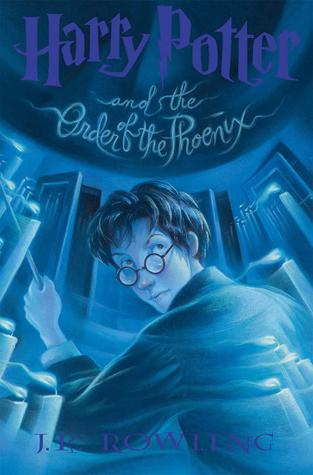
Harry Potter and the Order of the Phoenix by J.K. Rowling picks up with Harry’s lonely summer at the Dursleys. His dreams about a dark corridor at the Ministry keep him awake at night. He feels isolated as his friends send him letters he cannot reply to, thanks to the Dursleys’ brutality. Then Dementors attack Harry and his cousin Dudley. Harry fights back with a Patronus, shocking the Ministry. He worries that he might face expulsion from Hogwarts for using magic in front of a Muggle.
Harry’s emergency hearing at the Ministry of Magic intensifies his fear. He barely registers the faces of judges or the stern words about “underage magic.” Dumbledore arrives at the last minute to defend him. He reminds them that dark forces are gathering again. The court reluctantly clears Harry of wrongdoing, but he senses that the Ministry will not fully trust him.
At Number Twelve, Grimmauld Place, Harry reunites with the Weasleys and Hermione. He’s stunned by the secret headquarters hidden behind a glowering house-elf named Kreacher. The Order of the Phoenix convenes under the stern gaze of Sirius Black and Alastor Moody. Harry hears whispers of Voldemort’s growing power, of families guarded by aurors, and of spies within the Ministry itself. He learns that prophecy is a precious and dangerous thing.
Back at Hogwarts, the new Defense Against the Dark Arts teacher, Dolores Umbridge, arrives in pompous pink robes. She claims the Ministry knows best and refuses to teach practical magic. Instead, students copy Ministry-approved notes in endless lines. Harry bristles at her censorship. His warnings about Voldemort go unheeded.
Umbridge’s regime tightens its grip on the school. She bans student organizations and installs inquisitorial squads. She punishes any dissent with humiliating detention. In Harry’s detention, Umbridge forces him to write lines with a blood quill that scars his hand. The act leaves both physical and emotional wounds.
Harry, Hermione, and Ron refuse to accept Umbridge’s edicts. Hermione suggests a secret student group. They recruit friends with a whispered invitation: “Come prepared to fight the Dark Arts.” They call themselves Dumbledore’s Army.
Meeting in the Room of Requirement, the DA learns defensive spells Harry mastered in his previous years. Neville struggles but achieves a jelly-legged stunning charm. Luna Lovegood practices disarming curses with quiet determination. Ginny shows unexpected flair with protective enchantments. Harry starts to believe again in his own power and purpose.
As the weeks pass, the DA grows. Students bring their fears and hopes. They push themselves harder than any official class allows. Hermione keeps meticulous attendance and levies fines in sweets for absentees. The camaraderie lifts Harry’s spirits, though he confides nothing about the prophecy lodged in his mind.
Meanwhile, Umbridge tightens security. She installs black-hooded Centaur statues in the Forbidden Forest and demands loyalty oaths. When students try to contact Hagrid, she tears up his credentials. She even brands equal treatment for magical creatures as subversive. She makes everyone feel unsafe.
Harry suffers disturbing visions of Voldemort torturing Sirius in the Department of Mysteries. He dreams of a locked door and hears Sirius’s voice crying for help. He becomes consumed with guilt and fear. Hermione urges caution, but Harry can’t ignore the pull of his friend’s distress.
Dumbledore orders Severus Snape to teach Harry Occlumency so Voldemort cannot spy on his mind. Lessons take place in a cold, swirling pensieve of memories. Snape’s harsh words and Harry’s defensive fury clash. Harry storms out, convinced Snape wants to see him fail. Yet the lessons leave Harry drained and vulnerable to further visions.
One night, Harry panics over a vision of Sirius under torture. He races to the Ministry, convinced he must rescue him alone. Hermione, Ron, Ginny, Neville, and Luna follow at a run. They burst into the Department of Mysteries only to find a trap: Death Eaters are waiting.
A desperate battle erupts among dusty shelves and broken glass. Harry throws stunning spells. Hermione blocks curses midair. Ron flings shields. Ginny twirls her wand like a dancer. Neville rips a Death Eater’s Fiendfyre wand from his hand. Luna dodges a knife with uncanny calm. Despite their courage, the group struggles.
Sirius finally appears through a fireplace floo flame—but a knife strikes him. He falls backward through the veil into death’s silence. Harry lunges to catch him, only to find an empty archway. Rage and grief surge through Harry as he fights off the enemy. Reinforcements arrive: Dumbledore flares to life in golden fire. He drives the Death Eaters away.
In the aftermath, Harry and his friends sit broken in the atrium. He learns that Voldemort has returned openly. The Minister of Magic tries to deny the truth, while Dumbledore reveals the full prophecy: neither can live while the other survives. At the post-battle inquiry, officials see a different story than Harry’s. Dumbledore’s calm support shields him.
By term’s end, Hogwarts mourns its dead and rallies its defenders. Umbridge is driven out by centaurs in the Forbidden Forest. Dumbledore reassumes control, promising to prepare students for the war ahead. Harry stands next to Ron and Hermione, bound by shared loss and determination. He knows the fight will get darker, but he also trusts he won’t face it alone.
Detailed Summary
Plot Summary
1. The Grim Warning at Number Twelve Grimmauld Place
Harry Potter returns to London after a tense summer at the Dursleys’ home. He and his friends—Hermione Granger and Ron Weasley—find refuge at the hidden family house of Sirius Black, the Order of the Phoenix’s secret headquarters. The house feels heavy with old magic and memory. Harry senses both comfort and unease as he reunites with Sirius, his godfather.
Inside, the Order members—led by Albus Dumbledore—brief Harry on the Dark Lord’s growing power. They explain how Voldemort is gathering allies among Death Eaters and stirring fear in the wizarding world. Harry struggles with anger and helplessness. He wishes for action but must stay safe until his seventeenth birthday when he can perform magic outside Hogwarts.
Meanwhile, the Ministry of Magic launches a smear campaign against Harry and Dumbledore, denying Voldemort’s return. Newspapers, led by The Daily Prophet, publish false accounts claiming Harry is delusional. The Order’s leaders warn him to stay quiet. Frustrated, Harry wonders how he can help if no one believes him.
2. Dementors, Detentions, and Defying Authority
As school resumes at Hogwarts, the new Defense Against the Dark Arts teacher, Dolores Umbridge, arrives straight from the Ministry. She sets strict, theory-only rules. Students face endless detentions for any rule-bending. Her sweet voice belies a cruel temperament. She orders Harry to write lines with a quill that carves words into his skin. He emerges each time in pain.
Meanwhile, students face real danger outside. Dementors patrol the grounds on Ministry orders, searching for the escaped Sirius Black, though Harry knows Sirius is innocent. A public attack on Harry and his cousin Dudley by Dementors forces Harry to cast a Patronus. As a minor, he faces an unauthorized use of magic hearing before the Wizengamot.
Hermione and Ron plead for lessons. They form Dumbledore’s Army in a hidden room at Hogwarts. Harry reluctantly agrees to teach his peers practical defense against the Dark Arts. These secret sessions build camaraderie and hope. They defy Umbridge’s authority, forging a safer community among students.
3. Prophecy and Betrayal in the Department of Mysteries
Harry dreams repeatedly of Sirius trapped and in pain. He senses a link through a mysterious corridor of memories. Acting on that vision, he believes the Ministry holds Sirius captive. He resolves to rescue him.
Together, Harry and his friends break into the Department of Mysteries. They navigate shifting rooms—filled with time-turners, veils of death, and mysterious prophecies—until they reach the Hall of Prophecies. There they discover a record of a prophecy made before Harry’s birth. It states that either Harry or Voldemort must kill the other. It hints at Voldemort’s choice to mark Harry as his equal.
The group is ambushed by Death Eaters led by Lucius Malfoy. A fierce battle erupts, spells cracking around the orb shelves. Harry fights desperately while his friends protect him. Sirius arrives with other Order members. In the chaos, Sirius falls through the archway of death after grappling with Bellatrix Lestrange. Harry plunges through, but emerges alone, shattered by grief.
4. Aftermath: Grief, Fury, and Rebellion
In the days following Sirius’s death, Hogwarts mourns. Harry retreats into silence and anger at Dumbledore for withholding the prophecy’s truth. He feels betrayed—he believes Dumbledore sacrificed Sirius to teach him a lesson.
Umbridge tightens control. She imposes curfews and forces teachers to report student behavior. The school feels more oppressive than ever. Harry’s friends struggle to reach him through his sorrow. Hermione urges him to channel his pain into action—Dumbledore’s Army expands beyond self-defense to challenge injustice.
At the school’s end-of-year feast, Dumbledore swoops in to confront Umbridge. He reveals her crimes to the assembled staff and students, forcing her removal. Then he comforts Harry, explaining that he shielded him from the prophecy’s weight until he was ready. Harry finally grasps Dumbledore’s protective intent, though the cost remains crushing.
5. A World at War: The New Order
As the term closes, the wizarding world splits. The Ministry is forced to admit Voldemort’s return. Public trust fractures. Many join Dumbledore’s side, but some fall under the Ministry’s reactionary wing, led by Rufus Scrimgeour.
Harry refuses to be cast as a passive pawn. He vows to train himself and his friends for the battles ahead. He inherits Sirius’s mantle in the Order of the Phoenix. Inside him burns the prophecy’s burden—and with it, a fierce determination to end Voldemort’s reign.
The term ends on a note of tension and unity. Students, once passive, now stand ready for conflict. Harry understands the fight will cost him more loss. But he also knows he will never face it alone.
Characters
1. Harry Potter (Protagonist)
“I’m not going to let you get away with this, Dolores.”
Harry Potter enters his fifth year burdened by grief and rage. He mourns the loss of his godfather, Sirius Black, and wrestles with feeling powerless against Voldemort’s rise. Despite his anger, Harry shows compassion for his friends and a fierce loyalty to those he loves. He struggles to trust authority—especially when he feels lied to—but matures as a leader through Dumbledore’s Army.
Harry’s bravery remains unwavering. He confronts danger with raw emotion, leaning on Hermione’s logic and Ron’s support. His grief at Sirius’s death sharpens his resolve. Though haunted by the prophecy, Harry learns to channel terror into strength. By the end, he accepts responsibility to lead the fight against dark forces, even if it breaks his heart again. "I’ll fight you, Voldemort—I will."
2. Hermione Granger (Key Supporting Character)
“We need to learn how to fight, or we might as well give up now.”
Hermione Granger stands out with her intellect, determination, and fierce sense of justice. She organizes Dumbledore’s Army and fights for student rights against Umbridge’s tyranny. Her vast reading skills and tireless research keep the group one step ahead. She balances Harry’s impulsive courage with careful planning and study.
Under pressure, Hermione shows vulnerability—she fears losing control of the situation. Yet she pushes forward, reminding her friends of their duty. Her moral compass guides every choice. Through the year, she confronts prejudice against Muggle-borns, deepening her commitment to equality. "Books and cleverness? There are more important things—friendship and bravery."
3. Ron Weasley (Key Supporting Character)
“Even if you’re not a Gryffindor, you’re our friend.”
Ron Weasley battles his own insecurities in his fifth year. He feels overshadowed by his siblings and frustrated by Harry’s fame. Yet his loyalty never wavers. He defends Hermione and Harry, even when fear grips him. His humor lightens tense moments, and his giant-hearted courage emerges in critical battles.
Ron’s growth shines when he offers honest counsel to Harry after Sirius’s death. He admits his jealousy but reaffirms his dedication. Later, he stands by Harry’s side in the Department of Mysteries. His steadfast support cements the trio’s bond. "I’ll follow you anywhere—just don’t expect me to look happy about it all the time."
4. Dolores Umbridge (Antagonist)
“The benefit of the doubt is to be given to the Ministry, not you.”
Dolores Umbridge arrives at Hogwarts with saccharine speeches and copperplate quills. She quickly reveals a sadistic streak. Under the guise of order, she silences students, punishing any dissent with inky torture sessions. She embodies the Ministry’s denial of Voldemort’s return.
Umbridge’s pink ribbons and kitten plates mask her cruelty. She imposes arbitrary rules, fosters fear, and spies on staff and students. Even after her removal, the damage she causes lingers—students learn when silence can kill. Her reign at Hogwarts symbolizes how bureaucratic evil can thrive behind polite smiles. "I speak for the Minister, you will do as I say."
5. Albus Dumbledore (Mentor)
“Youth cannot know how age thinks and feels. But old men are guilty if they forget what it was to be young.”
Albus Dumbledore operates from the shadows this year. He trusts Harry yet shields him from full knowledge of the prophecy too long. Dumbledore orchestrates the Order’s counterattack against Voldemort, even as the Ministry accuses him of subversion.
He displays compassion and cunning in equal measure. He defends Hogwarts by confronting Umbridge publicly. With gentle guidance and strategic restraint, he gradually prepares Harry for leadership. Dumbledore’s failures—most painfully in Sirius’s death—teach Harry and the readers that even wise mentors must face limits. "Sometimes we must face the truth, no matter how painful."
Themes Analysis
1. The Burden of Prophecy
The prophecy in the Department of Mysteries reveals Harry’s destiny locked against Voldemort’s fate. It forces Harry—and readers—to ponder free will versus fate. Harry asks: must I die because it was foretold, or can I rewrite that end?
This theme resonates through every choice Harry makes. It heightens tension and underscores the cost of leadership. Harry’s awareness of the prophecy weighs on him as he realizes that love and sacrifice, not predestination alone, shape his future. It reminds us that knowing our fate can imprison or empower us, depending on how we respond.
2. Authority and Rebellion
Umbridge’s takeover of Hogwarts dramatizes how institutions can become oppressive when they deny truth. Through detentions, propaganda, and surveillance, she crushes dissent under a veneer of kindness. Students and teachers must risk punishment to stand up for justice.
Dumbledore’s Army signifies the power of grassroots resistance. When leaders refuse to act, individuals must organize themselves. Hogwarts students learn spells, tactics, and solidarity. Their rebellion shows how ordinary people—teenagers, even—can challenge corruption and defend their rights.
3. Grief and Resilience
Sirius Black’s death leaves Harry reeling. He sinks into rage and despair, blaming Dumbledore and himself. His grief isolates him until his friends force him to confront pain rather than bury it.
Through shared loss, the characters find resilience. Hermione channels sorrow into purpose by teaching spells. Ron fights jealousy to comfort Harry. Even Umbridge’s cruelty galvanizes them. The novel shows that grief can fracture communities—or, when faced together, strengthen them.
Key Plot Devices
1. The Prophecy Orb
Stored in the Department of Mysteries, the prophecy orb contains the fateful message regarding Harry and Voldemort. Its existence drives the final battle. Both sides covet it, believing it reveals a decisive edge.
When Death Eaters seize the orb, Harry and his friends rush to rescue it. The device’s revelation forces Harry to grapple with his role in Voldemort’s downfall. By its curse on secrecy, the orb tests loyalties and pushes Harry to act on instinct rather than prophecy alone.
2. Dumbledore’s Army
Formed in secret to teach practical Defense against the Dark Arts, Dumbledore’s Army evolves from a student club into a symbol of resistance. It defies Ministry-mandated ignorance at a time when power is abused.
The device shows how grassroots organization can counter state propaganda. The DA builds confidence in individual magic, fosters teamwork, and cements friendships. At the Department of Mysteries, skills learned in those rooms save lives, proving that self-education can become a powerful plot lever.
3. The Veil in the Death Chamber
Hidden in the Department of Mysteries, the ancient stone arch conceals a tattered veil that separates life and death. It embodies mystery more than utility—until Sirius’s fall.
When Bellatrix Lestrange knocks Sirius through the veil, it kills him—or at least removes him from Harry’s world. The device’s ambiguity about what lies beyond enhances the emotional punch. It represents the finality of death and the unknowable nature of loss, shaping Harry’s journey beyond this book.