Summary
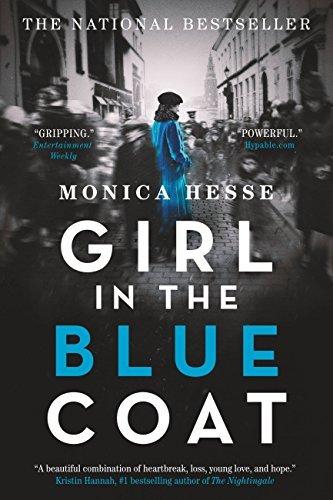
The Girl in the Blue Coat, by Monica Hesse, opens in Nazi-occupied Amsterdam in the spring of 1943. Sixteen-year-old Hanneke van den Eynde stores and delivers women’s clothes for Mrs. Janssen’s shop. She moves through shadowed streets under curfew, keeping her head down and her convictions to herself. She spares only a glance for the Jewish families who once lived behind curtained windows.
Each morning Hanneke sorts dresses, coats, and scarves. She marks the best items for black-market buyers, the rest bound for the Nazis. The work pays well, but it unsettles her. She remembers fairness, decency—values that feel dangerous under occupation.
One day a stranger brings her a battered suitcase. He asks her to find a girl in a blue coat inside. Hanneke hesitates. She knows the price of secrets. Yet curiosity wins. She slips the case under her bicycle seat, feeling its weight in the early wind.
At home, Hanneke examines the suitcase’s slender contents: a simple blue coat, a few photographs, and a tacked-on note about a Jewish girl named Mirjam. Hanneke studies the photos, noting Mirjam’s bright eyes. She clips the coat from the suitcase and finds an address scribbled inside its pocket.
The next afternoon Hanneke pedals to the address in the Jewish Quarter. She tries the door, then peeks through the keyhole. She spies furniture piled in corners, windows boarded shut. Someone must have slipped away long ago.
Still, Hanneke feels compelled to try again. She traces the flaking plaster with her fingertips, wondering how Mirjam survived. She leaves a note tucked under the door, promising help. Fear trembles in her chest. She knows the Nazis punish anyone who aids Jews.
That evening Hanneke returns to her room above the shop. She dresses the blue coat on a mannequin and studies its seams. The coat’s maker left a label: Atelier Schwartz. Hanneke realizes this tailor might lead her to Mirjam’s trail.
She rents a scrap of courage and heads to Schwartz’s atelier, a threadbare shop near Dam Square. The tailor man, tall with thinning hair, remembers the coat. He says it belonged to a Jewish client who fled town six months ago. He never learned her new address.
Deflated but not deterred, Hanneke takes the tailor’s sketchbook, where he drew her coat’s pattern. She poring over the notes until late into the night, piecing together the woman’s features and location. Each scribble hints at a hidden life.
In the coming days Hanneke enlists help from Jewish Resistance contacts. She crosses the city by tram, passing grey barricades and soldier patrols. She trades a stolen ration card for a tip. Each small victory tastes bittersweet under the occupation’s weight.
Meanwhile, her friendship with her neighbor, Otto—a quiet student turned Resistance courier—grows tenuous. Otto checks in on her deliveries, dropping coded messages in her bike’s basket. They share anxious silences, knowing they might be betrayed at any moment.
One afternoon a violent raid descends on Anne Frank’s old neighborhood. Hanneke hides behind a fruit stall, watching trucks of captured families roar away. Her breath catches. Some faces she’ll never forget—neighbors she once waved to from her window.
Back home, Hanneke finds a note under her door: “Meet me at the quay, midnight.” It bears Mirjam’s elegant handwriting. Hanneke’s heart pounds. This could be the girl in the coat.
Under the moon’s pale light, Hanneke waits at the canal’s edge. A slim figure emerges, draped in the blue coat. It’s Mirjam. Her eyes shine with relief and lingering fear. They embrace, though the night air is sharp.
Mirjam whispers her story: she escaped a roundup with false papers and hid in the countryside. Months later she returned to find her home seized. She entrusted her coat to Hanneke, hoping to be found. Now she wants to flee north to safety.
Hanneke nods. She learned enough from the Schwarz sketchbook to guide Mirjam to a safe house across the border. With Otto’s help, they slip through checkpoints on foot and by bicycle, forging papers as they go.
Days later they reach the Frisian coast. A small boat waits under a tarp. Hanneke hugs Mirjam tight, knowing this farewell might be their last. The boat drifts out into the dark sea, carrying Mirjam toward freedom.
Afterward Hanneke returns to Amsterdam in the autumn chill. She resumes her deliveries, but something inside her has shifted. The blue coat hangs empty in her room, a reminder of the risk she took and the life she saved.
In the final scene, Hanneke writes her own clandestine note to Otto, inviting him to meet by the canal. She tugs on a new coat—plain, sturdy—and steps into the street. She keeps moving forward, determined to honor the choices that changed them all.
Detailed Summary
Plot Summary
1. A Risky Job in Occupied Amsterdam
Hanneke boasts a business fetching rare items for wealthy Germans in Amsterdam’s perilous underworld. She masks her wariness under guarded silence at her small workshop on the Plantage. Every July morning finds her sorting through crates of looted goods while eyes watch from across the canal.
Behind the shutters she hides more than jewelry. In a secret cabinet, she conceals supplies for the resistance—false passports and ration cards. She never intended to choose a side. Yet, daily exposure to the city’s suffering makes that impossible.
When Ms. Jans, an elderly neighbor, begs Hanneke to look after a lost child, Hanneke senses the request carries hidden weight. She nods reluctantly and slips a glance at the plain blue coat draped over her worktable.
2. The Discovery of Mirjam
Hanneke discovers the small Jewish girl, Mirjam, hiding beneath the floorboards in Jans’s apartment. The child trembles, clutching the blue coat that bears her name. In that moment, Hanneke realizes the coat is more than a garment—it’s a lifeline.
Over late-night tea, Mirjam explains that her family didn’t make it out of Poland. She was sent alone on a freight train with a note pinned to her coat. Guilt and dread settle in Hanneke’s chest. She understands that bringing this child back to her motherland equates to certain death.
Hanneke resolves to hide Mirjam among her stolen goods. She fashions a cardboard crate to smuggle the girl through German checkpoints. Every knock on her workshop door sends her pulse racing.
3. Allies and Suspicions
Word of a Jewish girl in Hanneke’s care spreads through the underground. Pieter, a handsome courier for the resistance, offers help transporting Mirjam by bicycle. He moves with quiet confidence that unsettles Hanneke—both thrilling and frightening her.
As they sneak past German sentries, Hanneke glances at Pieter. She wonders whether his calm mask ever cracks. He insists on secrecy, refusing to explain his past. The hush between them grows heavy.
Meanwhile, Ms. Jans’s absence arouses suspicion among neighbors. Rumors swirl that Jans has fallen ill or worse. Hanneke worries the loss of her ally will leave Mirjam dangerously exposed.
4. Betrayal at the Auction House
Hanneke’s cover job sends her to a Nazi-run auction to sell a priceless silver chalice. There, she spots Mirjam’s coat hanging on a rack with confiscated clothing. The sight stops Hanneke’s breath.
She learns a Gestapo officer with a hawk’s gaze oversees the sale. Heart pounding, she negotiates the chalice price while plotting a rescue. Facing the officer, she flinches only once.
Under the guise of inspecting embroidery, she slips the coat into her crate. Pieter looms behind, signaling readiness. They vanish into the city’s maze before anyone notices the missing garment.
5. Close Calls and Hidden Truths
Back at the workshop, Hanneke tends to Mirjam’s wounds after a knock nearly exposed their hiding place. Fear bulges in every heartbeat. Mirjam clings to Hanneke, whispering that she’s afraid of the dark.
Pieter reveals he lost a sister during the roundup of Jews in 1942. His grief binds him to the cause. Hanneke listens, torn between admiration and fear that she might fall for him.
Their fragile trust shivers when Jans resurfaces at dusk. She returns with news: a female German officer moved into the building next door. The safe house is no longer safe.
6. Escape to an Uncertain Future
Hanneke, Mirjam, and Pieter cross the IJ River under moonlight, heading toward a waiting boat bound for Switzerland. Each stroke of the oars echoes betrayal and hope intertwined.
Mirjam sleeps, the blue coat traded for a rough blanket. Hanneke presses her hand against the child’s heart, praying quietly for mercy and safe passage.
As dawn breaks over distant hills, they glimpse freedom’s edge. Hanneke realizes that war’s scars will follow them, but so will the love that grew amid danger.
Characters
1. Hanneke (Protagonist and underground smuggler)
“I’m good at hiding things,” she said softly, “but I’m tired of hiding myself.”
Hanneke works feverishly in her cramped workshop, trading in looted antiques while secretly aiding the Dutch resistance. She carries a lonely past—her fiancé disappeared in 1942—so she buries herself in work. Her cautious smile masks a core of steel forged by wartime sorrow and guilt.
As she shelters Mirjam, Hanneke wrestles with the risk of attachment. Each trip past German checkpoints makes her pulse spike, yet she presses on. Her moral compass guides her steps even when fear demands retreat. In her quiet moments, she wishes for a normal life she fears she’ll never know.
2. Mirjam (Jewish orphan and symbol of hope)
“Will the coat keep me safe,” she asked, “even if the Germans see it?”
At thirteen, Mirjam faces loss that no child should endure. She clutches her blue coat—her only link to family. Even in terror, her bright eyes refuse to dull. She asks simple questions about bicycles and birds, reminding Hanneke of life beyond dread.
As days pass, Mirjam grows courage from Hanneke’s strength. She learns to whisper code words and follow silent signals. Her laughter returns in soft bursts. The girl’s resilience becomes Hanneke’s salvation, a reminder of why risking everything matters.
3. Pieter (Resistance courier and Hanneke’s ally)
“Sometimes courage is the quiet voice you hear at dawn,” he murmured, “not the trumpet blast.”
Pieter pedals through ruined streets with crucial documents strapped to his back. He speaks sparingly, but his eyes reveal a past filled with loss—his sister deported and never heard from again. Duty drives him, yet kindness humanizes him.
He volunteers to ferry Mirjam out of Amsterdam, navigating checkpoints with reckless grace. His calm under fire erases Hanneke’s doubt. Beneath his steely facade lies hope for a world where love outlasts war.
4. Ms. Jans (Elderly neighbor and resistance contact)
“Old bones can still break chains,” she said, voice sure.
Soft-spoken and stooped with age, Ms. Jans carries secrets as deftly as she carries groceries. Once a nurse, she treats Hanneke’s cutting injuries and delivers whispered orders from the resistance leadership. Her apartment conceals safe passages carved into the floorboards.
Despite frailty, Jans embodies moral clarity. She never hesitates when a child’s life hangs in the balance. Her courage glimmers in trembling hands pressing false papers into Hanneke’s palm.
Themes Analysis
1. Identity and Disguise
The novel probes how war forces people to wear false faces. Hanneke’s day job selling stolen goods becomes a cover for risking her life. Each lie she tells chips away at her sense of self. By hiding Mirjam beneath discarded antiques, Hanneke confronts the question: which roles define us?
Mirjam’s sewn-in coat holds her identity even as she learns fake names. Every false passport she carries feels like a betrayal of truth. Yet, these deceptions also save lives. The story suggests that survival sometimes demands we reshape our identities.
2. Moral Ambiguity
Amid Nazi occupation, clear lines blur. Hanneke profits from looted art. She works for Germans and then undermines them. Her actions dwell in gray space. The narrative asks whether a good act can cleanse a tainted past.
Pieter escorts refugees but once considered self-preservation above all. His shift to sacrifice underscores how war forces moral choices. The characters wrestle with guilt and redemption, underscoring that heroic acts often spring from flawed souls.
3. Loss and Hope
Loss permeates every corner of Amsterdam. Families vanish in rail cars, shops shutter under curfews, laughter fades behind shutters. Hanneke’s fiancé, Pieter’s sister—both gone. Yet amid ruins, hope kindles through small acts of kindness.
Mirjam’s resilience sparks light in Hanneke’s heart. The blue coat becomes a talisman of future possibility. Flight toward freedom on the IJ River reminds readers that hope can outlast despair.
Key Plot Devices
1. The Blue Coat
Mirjam’s coat anchors the plot. Its distinctive color and hidden messages transform it into a coded signal among resistance cells. By marking the coat with a name and address, the network pinpoints safe routes. At the auction, the coat’s reappearance triggers Hanneke’s desperate rescue plan.
Symbolically, the coat represents identity and protection. It distinguishes Mirjam from thousands of other refugees. When Hanneke trades it for a crude blanket at journey’s end, she lets go of fear while keeping hope stitched in memory.
2. Secret Workshop Compartment
Hanneke’s hidden cabinet conceals false passports, ration cards, and secret instructions. It powers every narrow escape. Each time a crate slides into view, tension spikes. That unseen space holds the characters’ fates, a quiet engine of resistance.
This snug cavity also symbolizes the hidden strengths within ordinary people. Hanneke’s unassuming workshop becomes a fortress. The device reminds readers that even the smallest places can harbor the greatest courage.
3. Underground Bicycle Routes
Pieter’s network of bike paths beneath Amsterdam’s streets carries refugees past checkpoints. These routes thread through abandoned basements and flooded cellars. Each turn presents fresh danger. The paths propel the story toward its climax, cycling from shadowed alleys to the river’s edge.
Narratively, the bicycle routes embody movement and choice. Every pedal stroke takes characters closer to freedom—or death. The device underscores the power of ingenuity in a world closing in.