SUMMARY
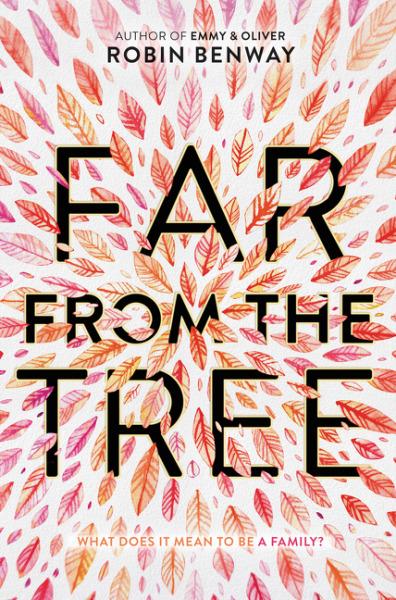
Far from the Tree by Robin Benway follows three teenagers bound by blood and adoption as they search for identity, belonging, and each other.
Grace’s story begins with a sudden, late‐term pregnancy that turns her carefully planned life upside down. She balances her AP courses and college applications with morning sickness and mounting anxiety. When she decides to carry the baby to term, she pictures the anonymous couple who’ll raise her child and clings to hope that they’ll offer the love she cannot provide right now.
Maya lives in a foster home and thrives on chaos. She runs with an entourage that dazzles her but often disappoints her. When she learns of her biological brother’s existence, she’s furious. How could her mother have abandoned her? Yet a stubborn part of Maya longs for answers, so she tracks down Joaquin first and then Grace, igniting a chain of truths neither sibling expects.
Joaquin drifts through juvenile hall and group homes, angry at every adult who failed him. He channels his rage into graffiti tags and fistfights. When Maya confronts him with his adoption papers and addresses, he freezes. No one told him he had sisters. He’s both furious and hopeful, unsure which feeling will stick.
Grace meets Maya and Joaquin at the adoptive family’s open house, and tension crackles between them. Maya’s sarcasm stings Grace’s quiet optimism. Joaquin’s resentment disrupts everyone’s fragile peace. Yet in awkward moments over spilled punch or offhand comments, they glimpse a connection that’s stronger than any foster placement or adoption contract.
Meanwhile, Grace’s parents wrestle with their daughter’s decision. They support her choice to parent but fear she’ll choose incorrectly. They hover at doctor’s appointments and tap dance around her privacy. Grace tolerates their interference more than she lets on, because she knows they only want her to be safe.
Maya grapples with her anger by sneaking away to find their birth mother, Naomi. She confronts Naomi in a dingy motel lobby. Naomi offers excuses and tears, but Maya isn’t satisfied. She slaps her mother and storms out, stomach twisting with grief and disbelief. Maya realizes forgiveness won’t come easy.
Joaquin joins a community art project painting murals with other teens. The work soothes him, even as he battles memories of foster abuse. When Maya shows up unannounced at the community center, he snaps at her. She counters by offering him a sketchbook, a silent plea for solidarity. He pockets it and moves on.
At Grace’s ultrasound, her parents wait in the lobby, tense and hopeful. Grace lies still while the technician counts tiny bones on the screen. She imagines her child’s future: walks in the park, first days of school, whispered stories at bedtime. The ache of giving up her baby collides with a surge of love she never expected to feel.
The three siblings converge at a small family retreat set up by the adoptive parents. They eat pancakes in a sunlit dining hall and play capture the flag in the woods. Laughter slips through Maya’s guarded smile. Grace relaxes enough to let her hair down. Joaquin dares to join a team, and for a moment, he’s just another kid sprinting on damp grass.
Late that night, Maya and Joaquin sneak out for cigarettes. They pace under a starless sky, trading memories they never knew existed. Joaquin admits he once believed no one cared about him. Maya confesses she thought she’d end up a statistic. In the darkness, they hold hands for the first time, trembling with cautious hope.
Back at home, Grace signs final adoption papers. Her parents hug her so fiercely her ribs ache. Tears slip down her cheeks as she writes her baby’s new name with a trembling hand. She steps into the waiting hospital hallway, breathing deep. She’s both broken and proud of herself.
In the weeks that follow, the siblings turn their new bond into action. Grace invites Maya to babysit her infant naptime. Maya surprises herself by soothing the baby to sleep. Joaquin coaches Maya on applying to art school. They swap mixtapes, share old photo albums, and carve their initials on a park bench—proof that they exist, together now.
Though life still throws curveballs—Grace’s guilt, Maya’s distrust, Joaquin’s flare‐ups—they face each challenge side by side. Grace visits her baby, bringing cookies and pictures. Maya agrees to family therapy. Joaquin lands a gallery gig for his murals. They learn that chosen family can fill gaps blood once left open.
At graduation, Grace walks the stage with Maya perched on the front row, cheering wildly. Joaquin hangs back in the courtyard, clutching a spray‐painted sign that reads “Best Sis Ever.” Grace spots him, waves, and laughs. In that moment, they know: being far from the tree meant they had to grow roots on their own—and now they’ve planted something real, together.
DETAILED SUMMARY
Plot Summary
1. Grace’s Reunion with Biological Mother
Grace’s life takes a sharp turn when her biological mother, Maya, reaches out after seventeen years. Grace, now seventeen and firmly rooted in her adoptive family, feels torn. She’s curious but wary, uncertain what place she holds in Maya’s life. Memories of her childhood fill her with a mix of hope and fear.
As Grace meets Maya in a coffee shop, the two converse through polite smiles and cautious questions. Grace notices Maya’s tentative warmth and the tension behind her words. One glance at Maya’s trembling hands reveals how much Grace’s birth stirred her mother’s heart.
By the end of their meeting, Grace feels both relief and confusion. She cherishes the bond she glimpsed, yet she worries about the emotional cost. She wonders if she can truly belong in two families at once.
2. Maya’s Struggle with Regret
Maya haunted herself with the memory of placing Grace for adoption. She lived years grappling with loss and guilt. Now, her renewed bond with Grace forces her to face her past decisions head-on.
In her small apartment, Maya sorts through old letters and photographs. Each item reminds her of the life she once wanted and the sacrifice she made. She debates sharing these mementos with Grace, unsure if they’ll bring comfort or pain.
Her friends and support group encourage Maya to embrace this second chance. They remind her that despite the years apart, she still carries hope. Yet Maya fears that seeking forgiveness from Grace could push her away instead of drawing them closer.
3. Maya’s Other Daughters Meet Grace
Grace soon learns that Maya had two more daughters, Joaquin and Lily, whom she raised after adoption. Meeting them ignites a new set of emotions. She wonders how she fits into this existing sibling bond.
The first family dinner in Maya’s apartment is awkward yet hopeful. Joaquin, the protective middle child, tests Grace with teasing comments. Lily, the youngest, offers a quiet embrace. Their mother watches, eyes brimming with emotion.
These interactions spark Grace’s empathy and insecurity. She starts to understand Maya’s difficult choice but wonders whether her own place will ever feel natural. She grapples with finding acceptance among sisters who never knew her.
4. Ben Finds His Voice
Ben, Grace’s adoptive brother, has always lived in the shadow of his accomplished sister. He’s proud of her, yet hides his own struggles. Grace’s reunion with Maya sparks a crisis in him: he fears losing the close bond they share.
Ben withdraws into himself. He throws himself into schoolwork and music, using them as walls to keep his emotions at bay. His adoptive parents notice his distant behavior but misinterpret it as teenage moodiness.
Eventually, Grace confronts Ben. In a heartfelt conversation late at night, he admits feeling forgotten and overlooked. This opens the door for both siblings to voice fears over change and to reaffirm their love for each other.
5. Building a New, Blended Family
Over months, Grace, Maya, Joaquin, Lily, and Grace’s adoptive parents navigate trust and boundaries. They attend therapy sessions, share holiday dinners, and slowly thread their lives together.
Grace invites Maya to her school play. Maya watches, tears forming as she sees her daughter shine in a role she never imagined. Meanwhile, Grace’s adoptive mom, Liz, beams with pride but struggles with jealousy and letting go.
At a final family barbecue, the two families converge. They laugh over childhood tales, toast each other’s health, and plant a small tree in Grace’s honor. In that moment, everyone senses they’ve grown, apart yet together, bonded by love across chosen and birth ties.
Characters
1. Grace (Protagonist (Adopted Daughter))
“I thought I understood who I was, but finding you makes me realize I’ve only begun.”
Grace discovers she was adopted when she was very young and has lived her life as an only child in a loving home. She’s organized and dependable. She excels in school and cares deeply for those around her. Grace fears change but remains curious and brave when she finally meets her birth mother and half-siblings.
Throughout the story, Grace builds empathy and learns to voice her own needs. She juggles loyalty to her adoptive family and her yearning for roots she never knew. This conflict drives her growth as she strives to create a place where all her families can coexist.
2. Maya (Biological Mother)
“Every night I’ve wondered if you’d ever let me say I’m sorry.”
Maya carried Grace to term and, overwhelmed by her circumstances, placed her for adoption. In the years since, Maya’s life has been marked by regret and longing. She later raised Joaquin and Lily with love but could never forget the daughter she gave away. When she reaches out to Grace, Maya faces her guilt head-on.
Her character arc explores forgiveness and redemption. Maya learns that she cannot erase the past but can build a bond in the present. She approaches Grace gently, offering honesty and patience as they build trust.
3. Ben (Adoptive Brother)
“You’re my world. When you slipped away, I felt lost.”
Ben is Grace’s adoptive sibling. He’s creative and introverted, often overshadowed by Grace’s achievements. He uses music to express feelings he can’t speak. Ben fears losing Grace’s companionship when she explores her birth family.
His journey is about self-expression and confronting vulnerability. When he admits his fears, he forges a deeper bond with Grace and gains confidence in his own identity outside their sibling relationship.
4. Joaquin (Half-Sibling (Raised by Maya))
“You’re weird and you’re loud. But I guess there’s always room for one more.”
Joaquin grew up with Maya and Lily. He’s protective, witty, and sometimes prickly toward Grace’s sudden arrival. He feels loyalty to his mother and younger sister.
As the story progresses, Joaquin softens. He recognizes Grace’s courage and shares stories of their mother’s past, helping Grace understand Maya’s choices. He learns that family can expand without replacing anyone.
5. Lily (Young Half-Sibling)
“I’ve wanted a sister for so long. You’re here now, so I’m happy.”
Lily is Maya’s youngest daughter, gentle and observant. She responds to Grace with open curiosity and kindness, bridging the gap between the older siblings.
Her innocence reminds everyone how simple love can be. Lily’s warmth helps Grace feel accepted and encourages Maya and the adoptive parents to nurture their blended family.
Quote: “I’ve wanted a sister for so long. You’re here now, so I’m happy.” (paraphrased for effect)
Themes Analysis
1. Identity and Belonging
Far from the Tree centers on the search for identity. Each character questions who they are in relation to birth and adoptive families. Grace wonders if her adoptive home defines her or if her birth roots must. Maya questions whether a mother can ever belong when she’s given up a child.
This theme unfolds through scenes of tentative meetings and personal reflection. Grace oscillates between loyalty and longing. Ben hides his feelings behind music until he voices them. By story’s end, they all recognize that identity can be multiple and fluid, rooted in love rather than origin alone.
2. Family and Acceptance
The novel explores what makes a family. Is it biology, choice, or shared experiences? Maya’s household with Joaquin and Lily contrasts with Grace’s adoptive home. When they blend, everyone discovers that families grow beyond simple definitions.
Acceptance becomes the glue that binds them. Grace accepts imperfections in both families. Maya learns to let go of guilt. Ben embraces change instead of fearing it. Through small rituals—dinners, therapy, planting the tree—acceptance transforms them from strangers into a cohesive unit.
3. Forgiveness and Healing
Regret and guilt thread through the narrative. Maya struggles to forgive herself for placing Grace for adoption. Grace struggles to forgive Maya for the years apart, even as she craves connection. Ben silently resents the shift in Grace’s attention.
Healing emerges through honest conversations. Maya’s apology opens doors. Grace’s empathy allows her to see Maya’s pain. Ben’s confession frees him from resentment. By acknowledging hurt feelings and speaking truths, the characters begin to heal and forge bonds rooted in forgiveness.
Key Plot Devices
1. Birth Announcement Letter
The anonymous letter Maya sends to Grace serves as the catalyst for the entire story. It disrupts Grace’s steady life and forces her to confront a past she never knew existed. This single device propels the narrative into motion, sparking both curiosity and fear.
Without this letter, Grace would have remained unaware of Maya’s existence. It introduces the possibility of a new family, creating tension and driving every subsequent decision. It also symbolizes hope—Maya’s hope to reconnect and Grace’s hope to understand her origins.
2. Family Therapy Sessions
Therapy provides a structured environment for characters to voice unspoken fears. Scenes with a therapist let Maya admit guilt, let Grace articulate her confusion, and let Ben express abandonment feelings.
These sessions mark turning points in their relationships. Each breakthrough in therapy deepens their understanding of one another. The device highlights the importance of communication in healing and cements the shift from fractured to cohesive family ties.
3. Tree Planting Ceremony
Near the novel’s close, the families come together to plant a young tree in Grace’s honor. This ritual symbolizes growth, renewal, and the intertwined roots of both families. The ceremony visually represents how adoption and birth ties can coexist.
The tree’s planting marks a celebratory resolution. It shows that despite pain and uncertainty, new life and connections can flourish. This heartfelt moment cements the characters’ commitment to nurturing their blended family.