
SUMMARY
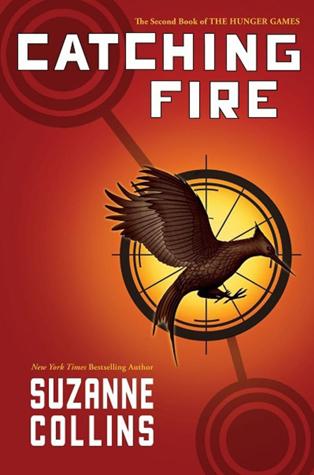
Catching Fire by Suzanne Collins opens months after Katniss Everdeen and Peeta Mellark have returned to the Victor’s Village in District 12. They bear the scars of their shared victory in the Hunger Games, but they also carry a dangerous symbol: the Mockingjay. President Snow pays them a personal visit, warning Katniss that her act of defiance—pretending to be in love to save both their lives—has sparked unrest in the districts. He gives her a chilling ultimatum: quash the rebellion in its infancy or face dire consequences for everyone she loves.
Soon after, Katniss and Peeta begin the mandatory Victory Tour, traveling through each district to celebrate and suppress growing dissent. Each stop reveals the fragile peace that hangs over Panem. In District 11, they witness a public execution of protesting villagers. The moment Peeta kisses Katniss to save her is broadcast everywhere, fueling hope and anger. Katniss sees how her presence triggers resistance, and the weight of responsibility presses down on her.
As they arrive in District 12, Katniss realizes the consequences of her failure to fully tame the crowd’s spirit. President Snow shows up again, pointing out a rose bush outside her house, just like his own charger’s personal emblem, as proof he’s watching her every move. He demands she convince District 12’s citizens that her defiance was only an act for the Games. Otherwise her friends and family will face severe punishment.
Back in the Victor’s Village, Katniss tries to pretend everything’s normal. She gift-wraps gratitude flowers for Rue’s family. She goes fishing with Gale—her friend and confidant. Gale’s safety feels uncertain now, though; his very presence threatens her cover story. Peeta visits her quietly at night, whispering about the future. No one can know they fear for their lives.
Then President Snow announces the 75th Hunger Games, the Third Quarter Quell, with a twisted rule: previous victors must compete again. Representatives will be drawn from the existing pool of winners. Katniss realizes that the Capitol plans to crush the spark she lit. She and Peeta must return to the arena, not as underdogs, but as bait aimed at settlers who would dare challenge Snow’s rule.
During the reaping, the odds seem stacked against Katniss. Haymitch Abernathy, their drunken mentor, gets thrown in the ring. The Capitol even poisons his drink before the Games begin, testing how far they can push. The entire country watches as Katniss volunteers for a second time to save Peeta. Each victor selected carries fears and scars of past battles, forging uneasy alliances.
Inside the arena, the environment shifts constantly—in some sectors fire rains from the sky, in others force fields trap competitors. Katniss recalls lessons from her first Games: she tests the traps, watches the landing pods, and navigates melted snowfields. Despite alliances with old and new faces, the Capitol’s arena design forces them into isolated conflict. She spies Finnick Odair, Peeta’s cunning partner, and listens to Johanna Mason’s biting wit. Their trust wavers but keeps them alive.
As days pass, Katniss becomes the linchpin of strategy. She forms a tight circle with Peeta, Finnick, and a few others. They realize that if Katniss reaches the force field’s edge and sings, the Capitol will be forced to extract her alive. She tries it—soft words carry across the deadly barrier. The field dissolves at her approach, and the Games lose their power.
Just then, the Capitol breaks its own rules. Hovercraft swoop down and rip Finnick, Johanna, and Beetee out of the arena before Katniss can reach them. They appear in an underground rebel base at District 13. Katniss learns that this district has survived in secret, waging its own quiet war. President Coin, the rebel leader, explains that the Quarter Quell was designed to eliminate strong victors, but it backfired: Katniss became even stronger—a symbol of hope.
Back in the Capitol, Peeta and Johanna lie unconscious after being captured. Katniss realizes her defiance cost her friend. Distraught, she escapes the rebel base—briefly ignoring orders—because she feels guilty for endangering him. Haymitch tracks her down and calms her. She returns reluctantly.
District 13’s underground city hums with activity. Citizens misdirect scanners with walls of counterfeit garbage. They have raised resources and weapons despite the Capitol’s relentless attacks. Katniss tours the bleak corridors, dwarfed by the cold metal and the faces of rebels who lost loved ones. She feels suspended between roles: fallen tribute, reluctant hero, and the Mockingjay to come.
President Coin convenes a council and announces the plan: a full-scale rebellion against the Capitol. Districts will rise up guided by Katniss’s image. She hesitates—trust doesn’t come easy after all she’s endured. Still, she accepts her role because she can’t unsee the suffering outside her window: children in gas masks, farmers hiding in bunkers, families torn apart by fear.
Before deployment, Haymitch reveals that he’s been working with Plutarch Heavensbee, the former Head Gamemaker, turned rebel ally. Their strategy hinges on propaganda more than bullets. Katniss agrees to film staged messages, but she demands control to ensure the rebel cause stays honest. In a rare moment of levity, she trains with bow and arrow again, finding solace in the motion and rhythm.
On the day of departure, Katniss stands before a crowd of soldiers. She holds her bow like a conductor’s baton. As cameras click, she vows to fight for every district’s right to live in peace. Then she’s escorted to a hovercraft bound for the Capitol. Each beat of its engines echoes hope—and war.
Catching Fire ends as a countdown to revolution. Katniss knows that nothing will ever be the same. The Capitol’s cruelty reigns stronger than ever, but so does the spirit of unity she’s helped ignite. As the craft races toward battle, she steadies herself. The Mockingjay’s wings are ready to open.
DETAILED SUMMARY
Plot Summary
1. Aftermath of the 74th Hunger Games
Katniss Everdeen and Peeta Mellark return to District 12 wounded and changed. Katniss struggles with PTSD—flashbacks of the arena, the tracker jackers’ stings, and Rue’s death haunt her. She tries to resume life in her family home while the Capitol showers both victors with gifts and praise. District 12’s mine collapse and President Snow’s warning remind her that victory does not bring safety.
Peeta grapples with his own trauma, showing Katniss that healing may take different shapes. He cringes at memories of being hunted and injured. Katniss senses his vulnerability but also fears that his raw honesty might threaten their façade of unity the Capitol demands. Both endure interviews, stylists, and the Capitol’s forced narrative: a star-crossed lovers’ romance meant to sweeten their public image.
Their actions on the Victory Tour feel scripted—Katniss must feign love to protect her family. Every town visit reveals simmering unrest; crowds applaud but also seethe at the Capitol’s cruelty. Katniss realizes her defiance in the arena sparked hope across Panem. District 11’s salute, especially, struck her. She worries: if rebellion spreads, the Capitol may come for District 12 next.
At home in the Seam, Katniss tries hunting with Gale. He flinches when she half-draws her bow in practice—he knows why she struggles. Their bond deepens, built on shared loss. Yet even Gale begins to think she should address her feelings for Peeta out loud, before the Capitol twists them further. Katniss only feels more trapped: love as a weapon and an obligation.
Meanwhile, President Snow visits Katniss before the Tour ends. He praises her performance while threatening her loved ones. Katniss leaves shaken. She senses how fragile her position is. Victory meant escape from the arena, not from the Capitol’s reach. Her mind sharpens: compliance may save lives, but only if she plays Snow’s game convincingly.
The finale of the Tour arrives in District 12. The mayor announces the town’s new prosperity—an effort to mask tension. Katniss interrupts the scripted finale: she crashes the stage to set off District 12’s signal—a silent call for rebellion. Fires flare in homes around the Seam. Snow’s plan to keep her under control backfires into open insurgency.
2. Quarter Quell Announcement
Shortly after returning, Katniss attends the 75th annual Hunger Games reaping in the Capitol. Coinciding with the third Quarter Quell, past victors must return to fight again. The shock ripples through every district. Survivors whisper that the rule was devised to eliminate heroes who inspire rebellion.
When Katniss’s name is reaped again, she freezes. Peeta steps forward to volunteer beside her—an echo of District 12’s tradition. Gale watches helplessly, grief in his eyes. Johanna Mason, Finnick Odair, and other victors share a knowing glance. They understand: the Capitol plans to crush hope by forcing them back into the arena.
Throughout the rest of the day, the Capitol enforces tight security. District 12’s people beg Katniss to fake an injury so she doesn’t go. She resists. Peeta refuses an ankle injury. Gale helps Katniss bow out by smashing her fine dress—but she barely notices. The Capitol’s broadcast portrays her as defiant and enraged, fueling unrest.
Back home, Katniss packs. She cradles the Mockingjay pin, now a symbol of both defiance and sacrifice. She shares a quiet moment with Prim and Mrs. Everdeen. Prim’s tears and mother’s silent support ignite Katniss’s resolve: if she dies in the Games, she’ll do so fighting for a cause beyond the arena’s walls.
On the train to the Capitol, Haymitch warns Katniss and Peeta: survive long enough to break the arena’s rules. He hints at an underground rescue plan spearheaded by District 13 rebels. Katniss suspects Coin, their leader, but also questions her motives. Trust will become a precious, rare commodity.
3. Preparation and New Allies
In the Capitol, Katniss trains and interacts with other tributes. Finnick Odair offers sly counsel: survive, gain sponsors, then strike. His confidence and distrust of the Capitol mirror her own conflicted feelings. Johanna Mason growls her bitterness—she escaped early once, and she plans to do so again.
The training sessions feel tougher this time. Gamemakers focus on weapons, strategy, and psychological manipulation. Katniss practices with a new bow and meets Beetee and Wiress. Beetee’s intellect captivates her: he sketches electrical trap designs, while Wiress mumbles strange equations about time and circuits.
Days later, during interviews, Caesar Flickerman tries to coax audience votes. Katniss refuses to play the star-crossed lover card despite Caesar’s prodding. She knows the Capitol craves drama, not rebellion. Peeta, however, gives an emotional plea that breaks the Capitol’s seats. Sponsors promise gifts, but Katniss senses that sponsors want spectacle as much as survival.
Meanwhile, in secret, Haymitch and Plutarch Heavensbee coordinate with rebels in District 13. They plan to breach the arena after Katniss signals them. Katniss suspects an undercurrent of betrayal—who will keep their end of the deal when cameras roll? Her unease deepens when Haymitch’s warnings become cryptic: “Don’t trust Coin.” She files away his words for later.
4. Arena Deception and the Alliance
The Quarter Quell arena reshapes into a clock—each section with hidden dangers. Months remain outside before disasters strike. First a tsunami, then a firestorm, then carnivorous fog. Tributes fall quickly. Katniss joins forces with Finnick, Johanna, Beetee, Wiress, and Peeta. Their combined skills—strength, cunning, circuits, healing—boost their chances.
Gale’s face flickers in Pat’s sponsor package video, reminding Katniss of home. She clenches her bow more fiercely: win, then inspire. Finnick teases her for brooding, but his trust warms her. He gave her a gold clasp to hold a tracker that protects her family—a gesture she never asked for but deeply appreciates.
When Wiress discovers a pattern in the clock’s storms, Beetee builds a wire to channel electricity from the arena’s central tower. They need a volunteer. Johanna hops forward—she’ll get bitten. Instead, Katniss convinces Beetee to let her pull the wire. It’s a gamble: setting a trap around the forcefield might expose them all to electrocution.
The plan succeeds spectacularly. The forcefield shorts out. A breach follows. Katniss, Finnick, and Beetee slip through as the cameras go dark. Wiress, weakened, urges them to trust District 13. “Tick tock,” she murmurs. Johanna and Peeta are rescued by Capitol hovercrafts, but the other three see a hidden bunker and go down. Katniss narrowly escapes before the arena explodes. The Capitol loses control of the narrative.
5. Revelation of District 13
Katniss wakes in a medical bay under fluorescent lights. Her hair roughly cut, she trembles not from illness but shock. Commander Paylor greets her—she’s from District 8, now freed. Katniss’s confusion fades when Plutarch Heavensbee emerges, alive and well. He reveals District 13 never fell; they moved underground. They’ve spent decades rebuilding an independent state of strict order.
President Coin stands before Katniss. She praises Katniss’s defiance but outlines her plan for a final push: kill Snow by winning public support across all districts. Katniss feels a chill: Coin mirrors Snow’s cold logic. The difference, Coin insists, will be their moral high ground. Katniss nods, too numb to say no.
Haymitch arrives, elbows her aside. He explains the cost: District 12 has been bombed for raising the Mockingjay symbol. Coal dust rains over Katniss’s home. Prim, Gale, and Mrs. Everdeen—missing. He doesn’t hide his sorrow. Katniss realizes protecting her family might be impossible now. She steels herself: rebellion demands sacrifice.
President Snow’s fate hangs between Katniss and Coin. Katniss wonders which leader she’ll serve. Her heart breaks for District 12’s few survivors. No turning back. The final war begins.
Short Summary Katniss Everdeen returns after her victory in the Hunger Games only to face a crueler contest—a Quarter Quell forcing past victors back into the arena. As rebellion ignites across Panem, Katniss must navigate political allies, old friends, and hidden agendas. Betrayal, sacrifice, and unshakable defiance build toward an all-out revolution that will reshape her world forever.
Characters
1. Katniss Everdeen (Protagonist)
“I’m more than just a piece in their Games.”
Katniss Everdeen, a resourceful 17-year-old from District 12, carries burdens few should bear. She volunteers to save her sister Primcorn from the Games, proving her fierce loyalty to family. Her skills as a hunter—keen eyesight, steady hands—help her survive brutal trials. Beneath her ice-cold exterior, however, Katniss craves connection. She distrusts authority but fights for those she loves, whether that means her mother, her sister, or District 12’s downtrodden miners.
Throughout Catching Fire, readers see Katniss’s inner conflict deepen. Publicly, she plays the Mockingjay—a symbol of rebellion—though privately she wrestles with guilt and fear. Love complicates her life: should she choose Peeta’s honesty or Gale’s fierce loyalty? She hates being a pawn yet gradually recognizes that hope can spark true change. Her growth emerges in small gestures—a silent nod to Rue’s memory or a whispered promise to Prim. Each moment sharpens her resolve to overthrow the Capitol’s tyranny.
2. Peeta Mellark (Key Supporting Character/Victor)
“Real or not real?”
Peeta Mellark, District 12’s baker’s son, hides a tender heart behind an everyman’s smile. He volunteers to protect Katniss, revealing a depth of devotion. In Catching Fire, his trauma surfaces: he flinches at warm food, dreams of bloody fields, and fears betraying Katniss when cameras roll. Yet his empathy remains strong. He uses kindness as a weapon—winning sponsors’ support or deflecting Capitol cruelty with grace.
His greatest conflict arises from authenticity. Peeta’s televised love story with Katniss once saved them both, but now it risks undermining genuine feelings. He battles panic attacks but also stands firm against Capitol manipulation. Through whispered confessions and shared nightmares, Peeta anchors Katniss’s humanity. His unwavering belief in compassion challenges her to trust—perhaps the greatest gamble of all.
3. President Snow (Antagonist)
“I want to see you pick up the bow again.”
President Coriolanus Snow rules Panem with chilling precision. He monitors every move of his subjects—through Peacekeepers, surveillance aircraft, and public executions. Snow’s signature gesture—rose-scented blood—masks cruelty with cultivated poise. He seeks to maintain oppression by manipulating symbols. Katniss’s Mockingjay image threatens his carefully held balance.
In Catching Fire, Snow’s threats grow personal. He reminds Katniss that rebellion costs lives. He murders District 12’s survivors to prove power. Yet his calm veneer cracks when he underestimates Katniss’s will. Snow’s motivations stem from fear: fear of revolution, fear of losing control, fear of being overthrown. His final confrontation with Katniss marks a turning point: the tyrant’s empire may fall to a single arrow.
4. Haymitch Abernathy (Mentor/Victor)
“Stay alive.”
Haymitch Abernathy, District 12’s lone surviving victor, balances whiskey-soaked humor with sharp insight. He survived his Games by playing the Capitol’s expectations. Now, he nurses guilt over past tributes he couldn’t save. In Catching Fire, he mentors Katniss and Peeta more fiercely—pushing them to use their public personas to ignite rebellion.
Despite his cynicism, Haymitch’s loyalty runs deep. He forges secret ties with rebels, orchestrates sabotage in the Quarter Quell, and risks his life for his wards. He cracks jokes to defuse stress but never loses sight of his goal: dethrone the Capitol. Haymitch’s complex moral compass—alcohol-lubricated but ultimately steadfast—guides the young victors toward revolution.
5. Plutarch Heavensbee (Ally/Rebel Leader)
“Game on.”
Plutarch Heavensbee, the Capitol’s Head Gamemaker, betrays the system he once served. His calm demeanor and genial smile hide strategic brilliance. In Catching Fire, he designs the Quarter Quell arena as a clock, embedding subtle flaws to aid rebellion. He leaked the plan to District 13, setting the rescue in motion.
Plutarch’s motives blend ideology and guilt. He witnessed unnecessary deaths in earlier Games and vowed to end the Capitol’s cruelty. His alliances span District 13 generals and Capitol insiders. He treats Katniss kindly yet cautiously. She must decide whether to trust a man who built her cage. Plutarch’s risk defines his courage: he bets on Katniss’s defiance to shatter Panem’s chains.
Themes Analysis
1. Rebellion and Oppression
Catching Fire portrays rebellion as both collective uprising and personal defiance. District 12’s salute to Katniss becomes a ripple across Panem. Katniss embodies this transformation: from survivor to symbol. Her mockingjay pin, once a token of friendship, becomes an emblem of revolt.
Oppression manifests through public executions, forced Games, and poverty. President Snow’s elegant cruelty—rose petals and silent threats—reveals how regimes use spectacle to quell dissent. As districts burn, readers ask: what costs are worth change? The novel shows rebellion’s blood and irony: tyrants thrive on fear but collapse under hope’s weight.
Ultimately, the story suggests that true freedom demands sacrifice. Katniss’s choices—endure trauma to inspire others, risk loved ones’ safety, or wield her image as a weapon—echo across characters. Even minor acts, like standing on stage or sparing an opponent, fuel resistance. In Panem, one spark can start a fire.
2. Media Manipulation and Performance
The Hunger Games and Victory Tour broadcasts demonstrate how media shapes truth. Katniss and Peeta’s romance began as a survival act; it morphed into compulsory theater. Each interview, costume change, and public appearance hides deeper motives.
Catching Fire heightens this lens. The Capitol scripts every moment— from Haymitch’s blunt advice to Caesar Flickerman’s rehearsed banter. Yet the rebels also exploit media to rally districts. Plutarch’s plan uses cameras’ blind spots to engineer the rescue. This duality highlights media’s power: it can oppress or liberate, depending who controls the narrative.
The novel invites readers to question authenticity. Who watches and who edits? When Katniss disrupts the Victory Tour’s finale, she demonstrates that a genuine act—unplanned, raw—resonates more than any staged performance. In a world drowning in filters, real courage emerges unscripted.
3. Trauma and Healing
Katniss and Peeta’s shared trauma anchors the novel. Their nightmares, panic attacks, and scars remind readers that victory doesn’t end suffering. Katniss wakes from hallucinations of fire and falling figures; Peeta reacts violently to bread’s sweetness, once a gesture of kindness turned sinister under Hunger Games pressure.
Yet the story also reveals paths to healing. Community—fellow tributes, family, even Mr. Everdeen’s fractured support—provides fragile safety nets. Peeta’s honesty offers Katniss a mirror for her hidden wounds. Haymitch’s blunt mentoring bristles with tough love but also genuine care.
The novel suggests that trauma’s aftermath can galvanize resilience. Katniss channels fear into strategy, grief into solidarity. While scars remain, acts of compassion—holding hands, sharing food, carrying a wounded ally—forge bonds stronger than the Capitol’s chains.
Key Plot Devices
1. Quarter Quell Rule Twist
The reintroduction of past victors into a new Hunger Games shocks both characters and readers. This twist transforms Catching Fire from a direct sequel into a deconstruction of the Games themselves. By forcing experienced fighters back into combat, the Capitol exposes its cruelty more vividly and reveals the political motives behind each twist.
Functionally, the Quarter Quell escalates stakes: no longer is survival the only goal. Now, victors must confront past trauma and public symbolism. The arena’s clock design ties them to the Capitol’s choreography—until the rebels hijack it. This device underpins the plot’s shift from spectator sport to full-scale rebellion.
2. Mockingjay Symbol
Originally a token Katniss wore to honor Rue, the mockingjay becomes the emblem of all districts’ defiance. Its presence on her costume, in broadcasts, and in whispered slogans builds momentum. Each time Katniss acknowledges the symbol—by wearing the pin or pausing during the Tour—she fans the flames of resistance.
Narratively, the symbol links disparate districts. It travels through sponsor gifts, smuggled notes, and graffitied walls. The Capitol, once dismissive of a simple bird, grows paranoid at its spread. By story’s end, the mockingjay unifies people under a shared banner, proving how ideas can outlive and outpower tyrants.
3. Arena as a Clock
The Quarter Quell’s arena design disguises hidden traps behind an elegant motif: twelve sectors, each corresponding to an hour. Nature-based hazards—floods, muttations, firestorms—rotate on a timed schedule. This structure offers predictability for the tributes who decipher it, but also demonstrates the Gamemakers’ theatrical flair.
When Beetee and Wiress crack the clock’s code, the device becomes a tool of liberation. Their electrical weapon targets the arena’s central power, collapsing the forcefield. This act transforms the clock from instrument of death to mechanism of escape. It underscores the theme of knowledge as power: understanding the system allows one to break its chains.