Summary
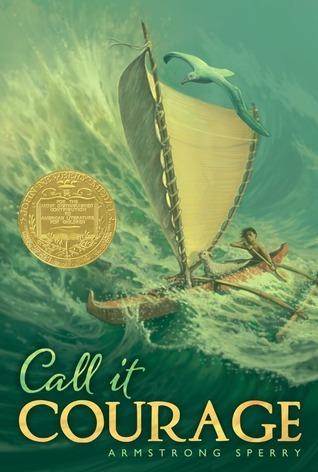
Call It Courage by Armstrong Sperry tells the story of Mafatu, a young boy born on the island of Touana. From early childhood, Mafatu lives in fear of the sea. Though his people depend on fishing for survival, he trembles at every swell and avoids boats at all costs. His mother worries over him, and his father’s disappointment weighs heavily on his heart.
At sixteen, Mafatu’s fear becomes more than a private worry—it turns into public shame. Other boys mock him, calling him “Coward.” When his father dies in a fishing accident, the whispers grow louder. Mafatu hears them as he watches the waves he still loathes. He resolves that he must prove his courage or forever carry the mark of disgrace.
One dawn, Mafatu slips away from his village. He takes the family’s single canoe, provisions of yams, coconuts, and dried fish, and his faithful dog, Uri. As the sky brightens, he pushes off into open water. His heart pounds, but each stroke brings him closer to a reckoning with his deepest dread.
Before long, a sudden squall catches him. Waves rise like mountains. Mafatu fights to control the canoe, but he capsizes and tumbles into the sea. Fear clamps around his mind, yet a fierce survival instinct kicks in. He clings to the overturned canoe, gasping for breath, and prays for strength beyond his own.
When calm returns, Mafatu finds himself far from home, drifting toward a distant archipelago. He is cold, hungry, and exhausted. During the night, stars guide him, though he scarcely dares look. By morning, he sights land—an island teeming with unfamiliar trees and stony beaches. Relief and new anxiety wash over him in equal measure.
Onshore, Mafatu drags the canoe above the surf line. He and Uri explore the island’s edge. They discover a freshwater spring beside a grove of pandanus trees. Mafatu drinks deeply, then sets up a crude camp using branches and palm fronds. Each movement feels foreign, yet he acts with growing resolve.
Days pass. Mafatu learns to fish with a sharpened spear. His skin tans under an unrelenting sun. He forages for breadfruit and wild yams. Sometimes Uri digs out clams from tidal pools. Mafatu’s fear of water does not vanish, but he edges closer to the surf with each sunrise.
One morning, Mafatu spots a huge shark circling the canoe in the lagoon. His heart hammers, but he steadies his spear and waits. When the shark approaches, he lunges with all his strength. The beast retreats, wounded, and Mafatu stands firm. In that moment, he tastes the first real victory of his life.
Despite this triumph, loneliness gnaws at him. He misses the voices of his people, the laughter of other boys. At night he stares at the same moon that hangs over Touana and wonders if he has gone too far. Then he recalls his father’s stern face and steels himself.
In time, he encounters the natives of a neighboring isle. They live in small huts and worship a carved god named Ku. Unlike the crowd back home, they greet him without mockery. A young boy, Kivi, becomes his playmate. Mafatu shows him how to fish with the spear. Kivi teaches him local songs and tells him tales of mountain spirits.
Friendship warms Mafatu’s days, yet the call of Touana grows. He builds a larger canoe from driftwood and lashings of palm fiber. Uri watches with bright eyes. Mafatu carves new paddles and tests the craft in calm water. Each stroke on the oar feels like a message to his old home.
Before departure, Kivi begs Mafatu to join a village feast. As drums pound and voices rise, Mafatu dances in a circle of firelight. He moves with a confidence he never knew he possessed. For the first time, he senses that fear will never rule him again.
At dawn, Mafatu and Uri launch the new canoe. Kivi and the islanders wave until they fade into the gleaming horizon. Mafatu glances back only once, then fixes his gaze forward. He paddles with measured strength, the sea no longer a monster but a friend he has earned the right to cross.
After days of effort, the familiar silhouette of Touana emerges. Villagers line the beach in astonishment. Word spreads that Mafatu has returned—alive, skilled, and unafraid. The chieftain, his mother, and the other boys greet him with cheers. They call him “Mafatu the Brave.”
That evening, under palm fronds shimmering in torchlight, Mafatu stands before his people. He speaks little, for his deeds have already spoken volumes. Uri sits loyally at his side. The sea, once the source of his deepest terror, looks tranquil under a sky full of stars. Mafatu smiles, knowing he has found courage within himself.
Detailed Summary
Plot Summary
1. Mafatu’s Secret Terror
In the small island village of Hikueru, young Mafatu hides a secret fear. Ever since he was a child, he trembled at the sight of the ocean. Other boys built canoes and surfed waves with ease. But Mafatu froze at the water’s edge, ashamed to face his father’s expectation that he follow the legacy of his seafaring ancestors.
At home, Mafatu endured taunts from the older boys. They mocked his trembling hands and called him “Chicken of the Pacific.” Each barb drove his terror deeper. His mother offered gentle encouragement, yet Mafatu could not shake his dread.
One night, as the moon sank low, he resolved to prove himself. He forced himself out of bed. Gathering courage, he slipped from the village with only a small pack. No one heard his departure until dawn.
2. Voyage into the Open Sea
Mafatu found an old canoe hidden by sea grapes. It leaked at first contact. He plugged the cracks with clay and padded the hull with rain-soaked leaves. Then he pushed off, trembling as the canoe shivered on the swell.
At first, the sea lapped gently. He dared to breathe. Soon, waves swelled across the horizon. Rain squalls battered him. He hunched low to keep the canoe steady. Each gust drove water over the rim.
When a great tuskfish shark glided beneath the hull, Mafatu froze. The creature circled, testing his resolve. Fear clawed at his heart. Yet he drew a deep breath, raised his harpoon, and forced himself to strike. He wounded the shark, and it retreated into the depths. Pride and horror mingled in his chest.
3. Struggle for Survival
A storm struck without warning. Waves towered above him, and his small canoe capsized. Mafatu plunged into the surf. He fought to reach the overturned hull, but cold seawater sapped his strength.
Finally, he clung to the canoe until dawn. When light returned, he spotted a tiny island. With numb arms, he dragged the canoe ashore. Every motion stung his bruised body.
He collapsed under a pandanus tree. Hunger gnawed at his belly. Thirst parched his throat. He knew he must survive until rescue—or perish alone.
4. Learning from the Island
The island proved both hostile and generous. Mafatu hunted for crabs among coral rocks. At first, he became trapped by a falling branch and barely escaped a shark alarm. Soon he learned patience and care. He fashioned snares for rats, kindled fires with flint, and tasted wild guavas.
He befriended a small albatross chick whose parent lay dead. Naming it Kivi, Mafatu fed it scraps of fish. Its soft call reminded him of his mother’s lullabies. Together they roamed the shore, Mafatu teaching himself to fish with a carved hook.
Through each trial, his fear ebbed. He leapt over roots with ease. He faced down prowling wild dogs. Each victory burned his terror into a distant memory.
5. Return to Hikueru
After three moons, a passing fishing canoe spotted Mafatu’s smoke. The fishermen rescued him and his loyal Kivi. Word spread through the village: Mafatu had conquered the sea and its perils. They paddled home beneath bright stars.
When he stepped ashore, the same boys who jeered now cheered. His father embraced him proudly. The fear that once hollowed his soul dissolved in the tide of applause.
Under his father’s guidance, Mafatu rebuilt his canoe. He promised never to let fear rule him again.
6. A New Leader’s Emergence
Months later, storms battered Hikueru. Strong waves crashed on the reef. Villagers feared for canoes and crops. Mafatu stood at the water’s edge and remembered his trials. He guided young paddlers into safe harbors and rallied others to shore up walls.
His calm courage inspired hope. When a fishing party faced rough seas, he volunteered to lead the rescue. With steady hand, he steered through breakers and returned each canoe safely.
In that moment, Mafatu shed the last trace of his old terror. He embraced the sea as friend and teacher, stepping fully into his father’s place as the island’s future navigator.
Characters
1. Mafatu (Protagonist)
“I must learn not to tremble. The wind and sea will not wait for me.”
Mafatu, the son of Hikueru’s chief canoe builder, carries a hidden terror of the sea. Though his father and peers expect him to master the waves, he trembles at the water’s edge. Yet beneath his fear lies a spark of determination. When shame and mocking push him to flee alone, he unveils a courage he never knew he had.
On the deserted island, Mafatu transforms. He learns to hunt, to craft tools, and to face wild threats. His bond with the orphaned albatross Kivi reveals his compassion. In every challenge, he inches past his old limits until fear no longer binds him. His journey shapes him into the leader Hikueru needs.
2. Kivi (Companion)
“Kivi cried each night until I promised we face the dawn together.”
Kivi, a young albatross, emerges when Mafatu finds its fallen nest. The chick’s soft cries echo Mafatu’s own loneliness. Feeding it fish scraps, Mafatu grows protective. Kivi provides warmth and a reminder of home during long, cold nights.
Their shared survival cements a bond deeper than words. When Mafatu triumphs over sharks and storms, Kivi’s return flight signals victory. The bird becomes both symbol and ally, guiding the boy beyond fear.
3. Korutonga (Father and Mentor)
“The ocean’s fiercest teacher is fear. You faced it—and that makes you a true son of Hikueru.”
Korutonga, Hikueru’s master canoe builder, exudes quiet pride in his craft. He expects his son to inherit his skill. Yet he senses Mafatu’s reluctance. Though disappointed at first, he refuses to belittle the boy. Instead, he shares gentle lessons about the sea’s moods and respect for nature.
Upon Mafatu’s return, Korutonga greets him with a knowing smile. He sees his son has learned more than craft—he has claimed courage. In his embrace, Mafatu recognizes that true strength grows inside.
4. Uri and Tama (Rivals turned Respectful Peers)
“We thought you weak, Mafatu. Now we see we were the fools.”
Uri and Tama, two of the village’s strongest paddlers, once mocked Mafatu’s fear. They chased him with taunts about sharks and storms. Their bullying pushed Mafatu to flee.
Yet upon his triumphant return, they yield their swords of mockery. They clap him on the shoulder and seek his counsel during storms. Their transformation underlines the power of genuine courage to win respect.
Themes Analysis
1. Overcoming Fear
Fear drives the story forward from its first lines. Mafatu’s dread of the ocean shapes his every move. It isolates him. Yet it also sparks his quest. By confronting each danger—shark, storm, isolation—he learns that fear is not a barrier but a gateway to growth.
Armstrong Sperry suggests that courage doesn’t mean absence of fear. It means acting in spite of it. Each small victory chips away at terror until it no longer holds power. Readers sense that their own fears might shrink under sustained effort.
2. Man and Nature
The island and sea stand as both adversary and teacher. At first, nature seems hostile. Waves capsize the canoe; beasts threaten. But as Mafatu learns fishing, tool-making, and bird care, nature becomes a partner.
Sperry portrays nature with respect. He never romanticizes it. Instead, he shows its indifferent power and its quiet beauty. Mafatu’s bond with Kivi reveals that sympathy and understanding can transform the wild into a source of wisdom.
3. Identity and Belonging
Mafatu feels alienated by his fear. His community expects a fearless seafarer. His inability to meet that expectation stains his sense of self. His flight to the open sea isolates him further.
Yet when the fishermen rescue him, his deeds shine brighter than any inherited skill. The village welcomes him not for his birthright but for his proved mettle. Sperry implies that true belonging grows from deeds and heart, not just from lineage.
Key Plot Devices
1. The Canoe
The canoe serves as both lifeline and crucible. It carries Mafatu into the ocean unknown. Each crack and patch tests his resolve. When the canoe capsizes, Mafatu must swim to shore, forging a new bond with survival.
Thus the canoe embodies transition—from sheltered boy to self-reliant voyager. It marks each stage of his growth, from terror at launch to proud mastery at return.
2. The Albatross Chick (Kivi)
Kivi’s orphaned vulnerability mirrors Mafatu’s own. He rescues the chick and keeps it alive. This act of compassion fuels his will to live. The bird’s survival depends on him.
In turn, Kivi becomes a constant companion. When Mafatu hears its cry, he recalls his promise. Their partnership symbolizes interdependence: courage can grow when we care for another.
3. The Storm
The sudden storm that capsizes Mafatu’s canoe represents nature’s indifference. It strips away his last illusions of safety. In the chaos, Mafatu must summon inner strength.
Surviving that night marks a turning point. The storm tests him beyond mere skill. It demands courage. By dawn, Mafatu’s triumph signals his transformation.