Summary
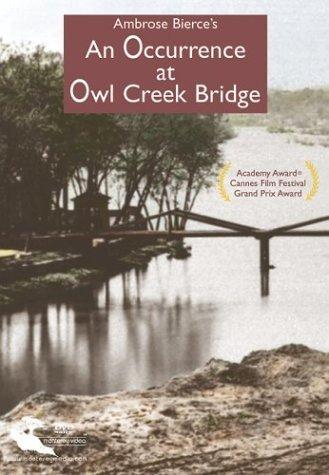
“An Occurrence at Owl Creek Bridge” by Ambrose Bierce unfolds on a riverside railroad bridge in the American South during the Civil War. Peyton Farquhar, a wealthy planter, stands on a plank with a rope around his neck, poised for execution by Union soldiers. The scene opens with Farquhar’s captors preparing to drop him into the stream below. You sense the dread in the moment: ticking seconds, the rustle of water, and the snap of a twig under a soldier’s boot.
Before the trap is sprung, the narrative shifts backward to explain how Farquhar ended up standing on that bridge. He had been tending his plantation when a disguised Union scout approached him. The man told a convincing tale of a raiding party repairing the Owl Creek Bridge just upstream. Farquhar, eager to help the Confederate cause, seized the bait and promised to sabotage the rail line.
That night, Farquhar slipped through the woods, clutching tools and fueled by zeal. He moved under the cloak of darkness, guided by moonlight on the water. By the time he reached the bridge, he felt both nervous and strangely calm. He could almost taste the glory of a deed that might delay Union operations and earn him a place in postwar lore.
In reality, the scouting party was a ruse. Farquhar walked straight into a Federal trap. Soldiers concealed themselves in the trees, waited for his approach, and then surrounded him. He was handcuffed and marched back to the bridge at daybreak, where a lieutenant readied the noose. Despite his panic, Farquhar’s composure held. He nodded as the soldiers fitted the rope, then lifted his feet onto the plank.
At the signal, two black-capped troops tightened the rope. As the sergeant gave the order, the plank was whisked away. Suddenly, Farquhar plummeted, hoisted face-down above the water. At once, the pain in his neck and shoulders became searing. For an instant, his world blurred.
Then—miracle or madness—Farquhar’s neck gave. He dropped into the stream and sank below the surface. Water filled his ears, his mind, his lungs. Yet he fought the current with powerful strokes, breaking free of the rope that yanked at his body.
He floated downstream, buoyed by adrenaline and delusion. Underwater, he saw the grey riverbed, tangled roots, and startled fish. Each movement felt surreal, like playing out a dream where the impossible becomes real. He kicked toward the bank with single-minded determination.
Once he reached the shallows, Farquhar scrambled up the muddy bank and collapsed onto soft earth. He lay there, shivering and gasping for air, convinced he had escaped death. He felt the breeze on his face, heard birds cry overhead, and tasted leaves on his tongue. A sense of triumph filled him as he set off through the brush in search of home.
He traversed dense undergrowth, weaving through tangles of vines and ferns. Each step sounded loud in his ears. The forest seemed alive, as if cheering his flight. Yet with every footfall, the tale revealed cracks of unreality. Trees bowed strangely, shadows flickered, colors seemed too bright.
Farquhar pressed on. He sought the open field that would stretch to his home. He remembered the curve of the riverbank, the path that led past his cabin. Hope urged him forward. He saw a glimpse of sunlight on a distant field and felt tears of relief well up.
Suddenly, the forest edge ended. He stumbled into an open plain, hands reaching for the fence that marked his property. He scaled it easily, landing inside his own yard. His wife’s face appeared in the doorway. He called her name softly, too softly.
He took a step toward her but her form seemed to flicker. The grass below him wilted with each movement. The wind died down. The colors drained out of the world. He blinked, confused.
In the next instant, everything snapped back. Farquhar’s head lolled forward. The rope had not broken. It held him tight as life slipped away. His mind, desperate for escape, had imagined every stroke in the river, every shattered branch, every welcoming smile of his wife.
He died with the illusion of freedom hanging in his last thoughts. The soldiers on the bridge relaxed, his body swinging below them. The river kept flowing, unchanged by the drama on its banks, and the moment passed into history, leaving only the silent water to bear witness to his final, fleeting escape.
Detailed Summary
Plot Summary
1. Introduction at Owl Creek Bridge
Peyton Farquhar stands on the wooden planks of Owl Creek Bridge, bound by his hands and awaiting execution. The humid air of a late Civil War afternoon presses on him as Union soldiers prepare the noose. Farquhar’s eyes trace the river below, searching for any chance of escape. The tension builds in each silent heartbeat.
Nearby, a lieutenant reads the order for execution, and the sergeant checks Farquhar’s bonds. Every detail sharpens in Farquhar’s mind: the rough wood of the bridge, the anxious pulse at his temples, the distant rumble of artillery. He hears the ticking of his watch as if it were the slow metronome of death itself.
Farquhar’s last thought drifts to his wife and homestead. Memories of her gentle voice and bright eyes flood his mind. The world narrows to this bridge, this moment, and that single, fragile hope of survival.
2. The Flashback and Farquhar’s Motivation
Before dawn on that fateful day, an intelligence officer in Union gray, disguised as a Confederate deserter, slips unnoticed into Farquhar’s plantation. He plants a story: Union troops plan to destroy the bridge to halt Southern supply lines. Farquhar, listening by candlelight, feels the news hammer in his chest.
He pictures the bridge—so close to his home—and imagines how its fall would starve his family and neighbors. The officer warns that by disrupting the demolition on Owl Creek Bridge, Farquhar could aid the Confederate cause. Temptation rises in Farquhar’s mind, stoked by longing for heroism and loyalty to his homeland.
That night, he saddles his horse and gallops toward the bridge. The forest hush cloaks his approach. He reaches the riverbank, grips a dry branch, and contemplates how he might save it from ruin. Duty and desire meld in his thoughts as he braces for what comes next.
3. The Execution Preparations
Back on the bridge, the sergeant fastens a noose around Farquhar’s neck. He inspects the knot twice. Union soldiers fall silent as they step away. Farquhar’s bound hands feel like iron.
The lieutenant addresses his men. He motions to the sergeant. Farquhar wonders if the command will slip, if the rope will falter. He strains against his bonds. Every muscle tightens.
The sergeant steadies the plank under Farquhar’s feet. The lieutenant counts off. Hearts pound. The world holds its breath.
4. The Moment of Escape
Suddenly, the plank beneath Farquhar’s feet gives way. He plunges headlong into the water. For a fleeting instant, his mind senses freedom—water cool on his face, bonds snapping. He kicks upward.
He breaks the surface, gasps a sharp gasp of pure air. Miraculously unhurt by the drop, he treads water and scans the shore. His heart hammers with renewed hope. He thinks, "I’ve made it." It feels too simple, too easy.
Farquhar swims for the bank. Branches claw at his clothes. He hears rifle reports behind him but feels no pain when bullets slice past. He swims faster.
At last, he hauls himself onto the muddy bank and stumbles into the woods. Leaves crunch underfoot. He runs blindly, driven by a single goal: reach home.
5. Fevered Flight Through the Forest
Farquhar dashes through the dense undergrowth. Sunlight flickers across leafy shadows. Each step stabs his legs with exhaustion, yet he can’t stop.
He stumbles over a root, then presses on. The sounds of pursuit blend with his pounding heart. Branches tear at his clothes, drawing blood. He pushes forward.
In his mind, he senses the familiar ridge leading back to his plantation. He pictures the white column of smoke rising over his cabin. Salvation feels within reach.
A flash of gunfire snaps him back. He staggers, but he fights on. The forest thins as he nears the creek’s opposite bank.
6. Approach to Home and the Final Reveal
Emerging from the trees, Farquhar sees his wife waiting on the riverbank. Her face shines with relief and wonder. He surges forward, arms outstretched.
She steps forward, then lifts her hand as if to lead him home. He’s almost in her arms when a sharp pain lances his neck.
Time fractures. The hanging bridge reappears. Farquhar’s escape was a dream in his final seconds. The noose tightens, and his vision blurs. In that instant, he understands—it was an illusion born of hope.
He hangs lifeless, head just over the plank, as the moment of reprieve vanishes in the cruel snap of reality.
Characters
1. Peyton Farquhar (Protagonist (Confederate planter))
“If I could free my hands—I would save the bridge.”
Peyton Farquhar is a devoted Southern gentleman and ardent supporter of the Confederate cause. Wealthy enough to own a plantation and the enslaved laborers who work it, he cherishes his home and family above all. News of the Union plan to destroy Owl Creek Bridge strikes him like a dagger to his heart. He yearns for glory and purpose beyond his fields, imagining himself a hero in service of his cause.
Farquhar’s determination drives him to risk everything. He is intelligent and reflective, yet prone to romantic illusions about war and honor. Under duress, his mind weaves vivid escapes. His inner conflict between fatal chance and hopeful defiance shapes every choice. Even facing certain death, he clings to his own vision of freedom and reunion with his beloved wife.
2. Peyton’s Wife (Key supporting character (motivator))
“Come back to me.”
Though unnamed, Farquhar’s wife embodies hope and home. She appears only in his imagination, yet her presence anchors much of his strength. In Farquhar’s mind, she stands on the distant riverbank, awaiting his return with anxious love in her eyes.
Her gentle smile and soft voice fuel Farquhar’s final fantasies. She personifies domestic peace and the world he fights to preserve. Even in his last moments, the thought of her gives him comfort and courage, blurring the line between reality and wishful thinking.
3. Union Lieutenant (Minor antagonist (executioner))
“You are now the property of the United States.”
The Union lieutenant presides over Farquhar’s hanging with rigid professionalism. His uniform crisp and spotless, he reads the death order aloud without emotion. He embodies the authority of the occupying force and the impartial machinery of war.
His brief presence underscores the story’s tension between duty and compassion. Though he shows no personal cruelty, his actions seal Farquhar’s fate. The lieutenant’s calm precision contrasts sharply with Farquhar’s desperation, highlighting the cold certainty of military justice.
4. Union Sergeant (Supporting antagonist (enforcer))
“Steady now.”
Standing beside Farquhar on the bridge, the sergeant secures the noose and examines every knot. He moves with practiced efficiency, knowing his duty requires no questions. His focus lies in ensuring the execution proceeds without a hitch.
He represents the instruments of war—unfeeling and disciplined. When he orders the plank removed, he sets the final act in motion. His actions, though routine, bring Farquhar’s fevered dream crashing back into grim reality.
Themes Analysis
1. Illusion versus Reality
Bierce blurs the line between dream and truth throughout the narrative. Farquhar’s imagined escape feels tangible, laced with sensory details that lull both him and the reader into belief. The sudden twist at the end shatters that illusion and reveals the stark mechanics of his execution.
This theme examines how human hope can warp perception under extreme stress. Farquhar’s mind constructs a false reality to shield him from the horror of dying. Bierce suggests that the mind clings to comforting fictions, even as death looms. In the final moments, illusion crumbles, leaving only unyielding fact.
2. Time and Consciousness
The story stretches a few seconds of real time into a rich tapestry of memories, sensations, and imagined events. Bierce manipulates temporal flow to show how subjective experience can expand or contract time.
Farquhar’s perceived minutes of escape contrast with the actual moments between the plank’s drop and his death. The narrative probes how the mind processes trauma. Through this distortion, Bierce illustrates that time in consciousness is malleable—sometimes slowed by dread, sometimes quickened by hope.
3. Nature’s Indifference
The natural world appears both alive and indifferent to human strife. The flowing river offers a route to safety but also ushers Farquhar toward death’s embrace. Trees and underbrush challenge his flight, indifferent to his cause.
Bierce portrays nature as an impartial stage for human drama. It neither aids the hero nor mourns his fall. This theme underscores the futility of seeking cosmic justice in the face of indifferent forces. Nature simply persists, unconcerned with human hopes or fears.
Key Plot Devices
1. Unreliable Perception
Bierce distorts reality by filtering the final escape through Farquhar’s desperate mind. Readers see the tunnel vision and heightened senses of a man on the brink of death. Every detail intensifies his imagined freedom.
This device heightens suspense and delivers the shocking twist. By placing the reader fully within Farquhar’s perception, Bierce ensures the illusion grips tightly until the final reveal. The collapse of that illusion drives home the story’s emotional force.
2. Twist Ending
The abrupt revelation that Farquhar’s escape was all in his mind redefines the entire narrative. A moment of triumph turns into the horror of execution. Bierce foreshadows this reversal subtly—through fractured time and uncanny calm—but only delivers its full weight at the close.
This twist transforms a simple hanging scene into a profound commentary on hope, illusion, and mortality. It forces the reader to reevaluate every preceding detail and emphasizes the fragility of human perception.
3. Symbolism of the Bridge
Owl Creek Bridge stands as both a site of death and a symbol of transition. It links two riverbanks and two states of being: life and death. Farquhar’s desperate hope to save the bridge mirrors his yearning to cross from the brink of destruction back to safety.
In the story’s climax, the bridge becomes the locus of betrayal—Farquhar falls through its planks into a fatal dream. This symbolism underscores the boundary between reality and illusion, and between living hope and cold demise.