Summary
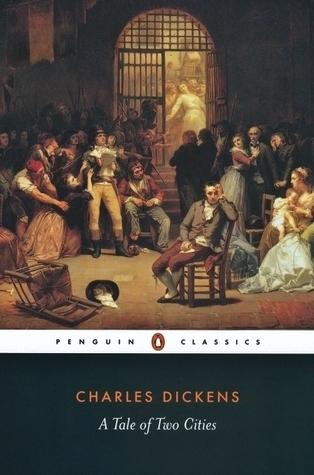
A Tale of Two Cities, written by Charles Dickens, opens in the grim year of 1775 and paints a portrait of two great capitals—London and Paris—on the brink of upheaval. The novel hinges on themes of resurrection and sacrifice as it follows a cast of characters divided by nation yet bound by fate. Dickens moves smoothly between settings, revealing how personal love and political rage intertwine. You’ll sense the slow churn of revolution and the redemptive power of devotion.
Jarvis Lorry, a trusted agent of Tellson’s Bank in London, travels to Paris alongside Lucie Manette, a gentle young woman, to reunite her with a father she believes dead. Dr. Alexandre Manette spent eighteen years unjustly locked in the Bastille. Lucie clings to hope that love can revive him. Lorry’s steady tone masks the tension of entering a city teetering on violence.
When Lucie first meets her father, she finds him a broken man who obsessively shoemakers’ tools. He sits by candlelight, beating leather, haunted by memories. Lucie and Lorry work patiently to ease his mind, coaxing him back to conversation and compassion. They see sparks of the learned physician he once was and vow to protect this fragile recovery.
Back in London, the Manettes settle into a modest life. Lucie’s kindness draws two unlikely admirers: Charles Darnay, a French aristocrat turned tutor, and Sydney Carton, a cynical English barrister. Darnay rejects his family’s cruel heritage and devotes himself to Lucie. Carton, wasted by drink and self-loathing, hides a tender heart beneath a swaggering facade. He remains convinced he’s unworthy of joy.
In a brief return to Paris, revolution simmers. Madame Defarge stares from the window of her wine shop, knitting the names of aristocrats marked for vengeance. She and her husband, Ernest Defarge, lead a network of Parisian artisans longing to topple tyranny. In hushed taverns, artisans whisper plans and sharpen guillotine blades. The city pulses with both hope and terror.
Meanwhile, in London, Darnay faces a charge of treason for denouncing British secrets in Parliament. The jury convicts him, and he faces death. Lucie collapses, but Carton surprises everyone. He steps forward at the trial’s climax, revealing flaws in key testimony. His stirring declaration of sacrifice wins Darnay’s freedom. Lucie still sees only compassion behind Carton’s dark eyes.
Two years pass uneventfully in London. Carton visits the Manette home weekly to see Lucie, hoping to earn her esteem, though he hides his love beneath self-deprecation. Outside England, France erupts in violence. The storming of the Bastille excites both terror and thrill. The Defarges fan the flames of revolution, and citizens burn noble estates to ash, chanting, “Vengeance!”
News arrives that Gabelle, a former servant of Darnay’s family, begs for help from La Force prison. Darnay feels honor-bound to return to Paris and aid an old retainer. Lucie and Dr. Manette fret but Darnay insists. He chooses love and duty over safety. Lucie watches the ferry depart, heart torn between fear and trust.
Paris greets Darnay with hostility. A mob arrests him as an emigrant and a traitor. On trial, he faces the guillotine. Lucie and Dr. Manette rush to La Force, where the doctor’s former imprisonment grants him weight in revolutionary courts. He pleads for his son-in-law’s life, invoking his own suffering. The tribunal grants a temporary reprieve, citing Manette’s “remarkable services.”
Yet Madame Defarge pursues revenge. She knits Darnay’s name in her coded register and demands he die. She resents Lucie’s joyful family for the crimes of their relatives. Dr. Manette’s brief triumph fades as Madame Defarge uncovers a secret letter Dr. Manette once wrote that lists aristocratic victims. She plans to use it to condemn Lucie and her daughter.
As dread intensifies, Carton resurfaces in Paris. He visits Dr. Manette in secret, offering a daring plan. Carton intends to save Darnay by taking his place at the guillotine. He holds no fear of death. Dr. Manette, weak from strain, hesitates but sees Carton’s resolve. He lies to the authorities, calling Carton the condemned man, and forbids anyone to interfere.
Carton visits Lucie at dawn, hiding his scheme under a promise to protect her family. He tells her only that he loves her so deeply he will give his life for her husband and child. Lucie’s tears speak volumes, though she cannot guess his full intent. Carton departs toward the prison, clad in Darnay’s clothes, resolved to meet the blade with courage.
La Force at sunrise bustles with prisoners. Carton slips in among them, drugged beforehand by a friend, Pierre. Guards, deceived by the swap, escort him toward the tumbrils. A final apology crosses Carton’s mind as he sees the guillotine’s shadow. He whispers, “It is a far, far better thing that I do than I have ever done.”
Dr. Manette, freed from custody, staggers back to Lucie’s side. Word reaches London that Darnay endured only a few days in prison and now waits in safety. Lucie draws her daughter close, weary and grateful. Dr. Manette recovers slowly, buoyed by hope that love can heal even the deepest wounds.
In the closing pages, Dickens suggests that Carton’s sacrifice quenched some of the revolution’s bloodlust and saved countless lives. Lucie, Darnay, and their child thrive in peace, ever mindful of the gift Carton bestowed. Across the Channel, the Reign of Terror slumps into history, having consumed scores of innocents. Yet Carton’s memory endures as a symbol of human redemption.
Dickens leaves you with a vision of resurrection: a broken man restored, a loveless soul redeemed, and a nation born anew from sacrifice. The drumbeats of revolution echo faintly as London’s Thames flows undisturbed. You close the book knowing that love and self-sacrifice can transcend even the darkest ages.
Detailed Summary
Plot Summary
1. Recalled to Life
In 1775, Lucie Manette learns that her father, Dr. Alexandre Manette, has been released after eighteen years’ wrongful imprisonment in the Bastille. Jarvis Lorry of Tellson’s Bank escorts her from England to Paris, where Dr. Manette stands as a broken man, stitching shoes and barely recognizing his daughter. Lucie’s gentle presence begins to restore his reason and humanity.
Meanwhile in London, Charles Darnay stands trial for treason against the Crown. He faces charges of passing secrets to France, yet his true identity remains hidden. At the Old Bailey, a match of wills unfolds between Darnay’s quiet integrity and the prosecution’s zeal.
Sydney Carton, a dissipated English barrister, watches the trial with morose detachment. Though he despises his wasted life, he admires Lucie’s compassion from afar. When Darnay’s fate hinges on one juror’s decision, Carton seizes the moment with a stirring plea, saving Darnay and revealing a surprising spark of selfless courage.
2. A Love That Heals
Back in England, Lucie and Charles form a bond of mutual respect. Darnay admires the gentle kindness Lucie shows her father. Without fanfare, their courtship blooms under Lorry’s approving gaze.
Dr. Manette suffers a brief relapse into shoemaking when he suspects a threat to Lucie’s happiness. He isolates himself in a workshop, haunted by his prison trauma. Lucie’s steadfast support draws him back to lucidity.
Their wedding in London blends joy with an unspoken tension. Carton, invited to witness their vows, hides his own heartbreak. Yet he vows to do anything—for Lucie or for her husband—that fate may require.
3. The Echoes of Revolution
Back in Paris, the Defarge household brews dissent. Monsieur and Madame Defarge record the names of aristocrats for future reckoning. Their wine shop doubles as a hub for revolutionary plotting.
Madame Defarge, relentless and unforgiving, knits each victim’s name into her register. She views the nobility as irredeemable oppressors. In each stitch, she knits vengeance and destiny together.
As unrest grows, peasants flood the streets, chanting for liberty and blood. Spurred by hunger and outrage, they riot at the Bastille. The thunder of revolution shakes every corner of France, signaling that no one—aristocrat or commoner—can stand apart.
4. Caught in the Maelstrom
When Charles Darnay returns to Paris to help a beleaguered former servant, he is arrested as an emigrant enemy of the State. Lucie, Dr. Manette, and Lorry race to save him. The prison doors clang behind Darnay, and his fate seems sealed by the Terror.
Dr. Manette, once a victim of injustice himself, leverages his Bastille connections to intervene. He stands before the Committee of Public Safety with a letter written during his own trial. His forged authority spares Darnay—momentarily.
Yet each reprieve proves fragile. Madame Defarge coldly demands Darnay’s execution to punish all Evrémonde kin. The Manettes face despair as power, once used for healing, turns into a weapon of oppression.
5. Recalled to Sacrifice
Sydney Carton undertakes a dangerous journey to Paris. Though he is an outsider, his resemblance to Darnay offers a glimmer of hope. Carton resolves to save the man Lucie loves, even if it means forfeiting his own life.
Carton infiltrates the prison disguised as a servant, his mind clear for the first time in years. He exchanges clothes with the sleeping Darnay. In the cold dawn hush, Carton surrenders himself at the barricade.
As the carriage carries Darnay to freedom, Carton walks calmly to the guillotine. He greets the blade with quiet dignity and utters his final prayer: “It is a far, far better thing that I do, than I have ever done.”
6. Resurrection and Hope
Darnay, Lucie, Dr. Manette, and little Lucie escape to London. They carry the memory of sacrifice and loss with them. The moment is bittersweet—freedom tastes of grief.
Jarvis Lorry offers them refuge at Tellson’s, vowing to rebuild their lives. Dr. Manette, at last free of inner chains, embraces parenthood with renewed purpose. Lucie stands beside Darnay, their love fortified by trial.
Though Carton lies beneath the sand of Paris, his spirit lives on in each heartbeat of the family he saved. In their memories, he remains the noblest light rising from the darkness of revolution.
7. Aftershocks and Legacies
Years later, France and England bear the marks of upheaval. The Manette-Darnay household prospers, yet they never forget Carton’s sacrifice. They recount his story to their children as a testament to selfless love.
Madame Defarge meets her own end in the riots that follow Thermidor. Her knitting lies abandoned, the paper of her registry scattered by wind. So too does the Revolution’s blind fury fade into history.
In quiet moments, Lucie kneels by Carton’s grave in Paris. She lays a single white rose, believing that resurrection extends beyond life and death. Hope endures, woven through sacrifice, compassion, and the promise of a better world.
Characters
1. Charles Darnay (Protagonist)
“I love her. And, it is my duty to die for her if need be.”
Born into the corrupt Evrémonde aristocracy, Charles Darnay rejects his family’s cruelty. He seeks a fresh life in England where he marries Lucie Manette and pursues honest work. His quiet integrity wins him friends, yet it also draws the vengeance of revolutionary Paris.
Faced with repeated arrests and the threat of the guillotine, Darnay stays calm under pressure. His steadfast love for Lucie drives him to risk all for justice and mercy. He embodies the belief that individuals can transcend their origins and chart a righteous course.
2. Sydney Carton (Ally turned hero)
“It is a far, far better thing that I do, than I have ever done…”
Sydney Carton is a jaded lawyer haunted by wasted talent and unrequited love for Lucie. He drinks to drown his regrets until he finds purpose in saving Charles Darnay. In that devotion, he rediscovers self-worth and honor.
Carton’s final act—trading places with Darnay—fulfills Dickens’s theme of resurrection. His sacrifice at the guillotine reclaims his dignity and redeems his life. Through Carton, the story shows that love can spark the greatest courage.
3. Lucie Manette (Moral center)
“I shall never desert him.”
Lucie Manette emerges as an emblem of compassion and hope. She restores her father’s sanity and anchors her husband with tenderness. Others describe her as the “golden thread” binding disparate lives together.
Her quiet strength propels the plot forward; foes and friends alike respond to her grace. Lucie never fights with swords but with mercy—showing that kindness, too, can topple prisons harder than any cell.
4. Dr. Alexandre Manette (Key supporting character)
“You have been my wonder. You have been my life.”
Imprisoned unjustly for eighteen years, Dr. Manette returns a broken cobbler. Yet his mind and spirit slowly recover under Lucie’s care. He uses his medical skill to aid both victims and revolutionaries in Paris.
Now armed with firsthand knowledge of injustice, he intervenes for Darnay at great personal risk. His transformation from victim to protector illustrates that suffering can yield profound wisdom.
5. Madame Thérèse Defarge (Antagonist)
“Tell George it was the knitting that undid him.”
Madame Defarge embodies the revolution’s merciless rage. She records every aristocrat’s name in her knitting, sealing their fates. No plea for mercy deters her—she knits vengeance stitch by stitch.
Her cold determination drives much of the conflict in Paris. Even revolutionary friends at times fear her fanaticism. In her rise and fall, Dickens warns of cruelty bred by unchecked anger.
6. Jarvis Lorry (Key supporting character)
“Recalled to life! . . . . It’s a far, far better thing that he has done, than I have ever done.”
A dedicated banker at Tellson’s, Jarvis Lorry conveys steadfast loyalty. He first escorts Lucie to her father, then shelters the Manette family through turmoil. His prudence and courage surface when crises loom.
Lorry’s reliable steadiness contrasts with Paris’s chaos. He provides a pragmatic safeguard, showing that kindness can wear a suit and speak in low tones.
Themes Analysis
1. Resurrection and Transformation
Dickens weaves resurrection throughout the novel. Dr. Manette’s release mirrors Sydney Carton’s rebirth through sacrifice. Each character emerges changed by trials—either crushed or renewed.
These redemptive arcs underscore that suffering can lead to new beginnings. Carton’s final act doesn’t just save Darnay; it uplifts every life touched by that sacrifice. Dickens suggests that true resurrection lies in choosing love over despair.
By the end, hope persists even amid death. The Manettes carry forward Carton’s legacy, proving that one selfless deed can echo through generations.
2. The Power of Sacrifice
Sacrifice pulses at the novel’s heart. Carton offers his life to guarantee another’s safety. His decision costs him freedom yet grants him ultimate peace.
Charles Darnay also risks his life repeatedly for loyalty and love. Even Dr. Manette sacrifices his safety to aid others during the Terror. Dickens argues that true nobility emerges when we lay down personal comfort for a higher cause.
Through these acts, the story shows that a single sacrifice can shatter chains of injustice. It elevates individuals and reshapes destinies.
3. Class Conflict and Revolution
The novel charts the widening gulf between France’s privileged and the oppressed. The aristocracy’s abuses spark the peasant fury that becomes the Revolution.
Madame Defarge’s relentless vengeance warns that unchecked cruelty breeds its own destruction. The guillotine becomes both symbol and instrument of bloodlust.
Yet Dickens tempers this fury with moments of mercy, reminding readers that revolution’s promise can be lost to wrath if it forgets the human face.
Key Plot Devices
1. Madame Defarge’s Knitting
Each row of stitches records a condemned name on her registry. This silent ledger controls fates more surely than any court decree. It embodies the revolution’s relentless logic—no aristocrat escapes its tally.
By making vengeance a domestic activity, Dickens shows how terror seeps into everyday life. The knitting frames every confrontation with Defarge as a struggle for survival. It reminds us how quiet obsessions can wield monumental power.
2. The Wine Cask Incident
When villagers scramble to drink the spilled red wine, Dickens reveals their desperate hunger and simmering outrage. That simple accident ignites the crowd’s anger, prefiguring the storming of the Bastille.
This episode links human need to political explosion. It suggests that revolutions often erupt not from ideology alone, but from unhealed wounds and unmet necessities. A spilled cask becomes a spark to a powder keg.
3. The Guillotine
More than an execution tool, the guillotine symbolizes the Revolution’s promise and peril. It offers swift justice yet becomes emblem of blind retribution. Nobles and commoners alike lose their heads beneath its blade.
Carton’s final walk to the scaffold transforms the guillotine from terror device into stage for redemption. In that moment, Dickens flips its meaning: from instrument of death into altar of sacrifice.