
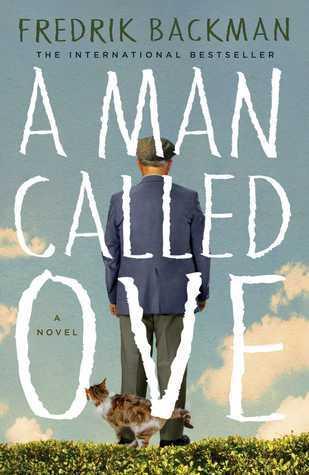
Summary
A Man Called Ove, by Fredrik Backman, follows a curmudgeonly sixty-year-old widower who lives by a strict set of rules in a Swedish suburb. He wakes each morning at six, shovels snow with military precision, and patrols the neighborhood for any sign of lawbreaking or disorder. He waves at no one, greets no one, and regards his fellow residents with thinly veiled contempt. Yet beneath his surly exterior lie layers of loss, regret, and unexpected kindness.
Early on, Ove decides he's had enough. He sells his car, sends away the moving van, and plans his own departure from the world. His first attempt at suicide is thwarted by a nosy neighbor, a pregnant woman named Parvaneh, who simply won’t leave him alone. She insists he help her with a broken-down car. He begrudgingly obliges, only to find himself drawn into her chaotic family life.
From that point, Ove’s efforts at self-destruction meet unforeseen interruptions. A cat shows up on his doorstep and won’t leave. He tries to poison it, but the animal persists. When the cat stays, Ove grumbles, but he also names her “Cat” and starts feeding her—although he never admits he cares. Later, he rescues a young man hanging from a crane and drives him to the hospital. With each new crisis, Ove’s resolve falters.
Flashbacks fill in Ove’s backstory. As a boy, he learns the value of hard work from his father, who restores rusty Volvos in his backyard shed. His mother dies when he’s young, and his father remarries a stern woman who drives Ove away one winter night. He returns to find his father has frozen to death. Grief hardens him, but he clings to the family garage and opens his own auto shop.
Ove meets Sonja, a headstrong literature student who works in his shop. She challenges his rigid world, insisting that life contains more than rules and to-do lists. They marry quickly, and Sonja brightens Ove’s life in ways he never expected. He adores her wit and kindness. He once tells her that if he had to choose between saving a child or saving the family garage, he’d pick Sonja—and that happiness anchors him.
Sonja’s illness strikes suddenly. Ove builds her a wheelchair ramp and fights the hospital’s bureaucracy. He tries to fix every broken thing in her world, but he can’t mend her failing health. When she dies, Ove loses his last reason to live. His strict routines become a lifeless echo, and he withdraws into mourning.
Back in the present, Parvaneh and her family keep invading Ove’s solitude. She nags him to install baby gates. Her husband, Patrick, fumbles plumbing until Ove teaches him. The children pester him for bedtime stories. Somehow, the stranger’s messy household brings purpose back into his days. Even when Ove snaps at them, his heart softens.
Neighbors start seeking Ove’s help for every odd job. A young engineer asks him to fix a car engine. A retired nurse begs him to clear her roof of snow. He resists at first, but each request gives him a thread of belonging. He never admits he enjoys being needed, but his quiet satisfaction shows on his face.
Ove also reconnects with an old friend, Rune, whose deteriorating health leads to a feud over a parking spot. They’ve battled since their wives ran off together. When Rune suffers a fatal heart attack, Ove stands by his side in the ambulance. He finds himself grieving for a man he barely tolerated.
Meanwhile, the cat continues to follow Ove wherever he goes. He builds a doghouse, only to realize that Cat prefers the warmth of his garage. When she falls ill, Ove drives her to the vet at midnight, warns the receptionist off, and stays by her side. He refuses to lose yet another companion.
As winter thaws into spring, Ove cancels his final suicide plan when Parvaneh’s newborn son appears just as she goes into labor. He races her to the hospital himself—and holds the baby in trembling hands, tears streaming down his cheeks. In that moment, the world feels worth saving.
Ove patches a relationship with his reluctant neighbors, attends school meetings, and even signs birthday cards. He plants flowers in Sonja’s memory and paints the mailbox red like she once asked. His hard edges smooth into gentle curves as he welcomes others into his life.
Despite his newfound bonds, Ove’s grief never fully disappears. He builds a miniature Volvo for his grandson and places it beside Sonja’s picture. He laughs at a bad joke Patrick tells and lets the dog sleep on his bed once in a while. The man who once chased stray squirrels from his yard now shares breakfast with a motley crew of friends.
In the final chapters, Ove finishes his latest fixit job and tucks the cat into bed. He strolls out at dawn, carrying tools just in case. Sonja’s specter whispers that life’s worth living, if only for the moments when kindness wins. Ove nods to the rising sun, a small smile breaking through. The man called Ove has found a new purpose—and with it, a fragile kind of joy.
The story ends quietly. No grand speeches or sudden miracles—just Ove pushing open his garage door to greet a new day, surrounded by friends he never wanted but now can’t imagine living without. He may still grumble, but underneath it all, his heart beats steadily, tethered at last to the messy, imperfect community he once shunned.
Detailed Summary
Plot Summary
1. Ove’s Morning Rounds and Rigid Routine
Every morning, Ove rises before dawn. He dresses in neat work clothes. He patrols his neighborhood, enforcing rules he believes keep order. Neighbors have learned to fear his icy glare and curt reprimands.
Ove’s routine gives him purpose. He checks cars against homeowners’ pamphlets. He complains if garbage bins aren’t lined up precisely. A misplaced recycling box sparks a lecture that lasts minutes—or sometimes half an hour.
Through these small rituals, readers sense Ove’s grief. He clings to rules because they anchor him after his wife’s death. Each step in his routine reminds him of what once made sense. But as we’ll see, that focus will soon shift.
2. The New Neighbors and a Broken Trailer
One day, free-spirited Parvaneh and her clumsy family move next door. Their noisy children break Ove’s tranquility at once. A mishap with their moving trailer leaves it lodged under his carport.
Ove storms over with threats and demands. He expects quick payment for damages. Instead, Parvaneh smiles politely and invites him to tea. He refuses but feels unsettled by her warmth.
Gradually, Ove helps them free the trailer by towing it with his old Saab. He grumbles the whole time. Inside, he watches Parvaneh’s young son studying his toolkit with wide eyes. For the first time in years, Ove feels a spark of connection.
3. Flashbacks: Sonja’s Love and Life Before Loss
Interspersed through the present are flashbacks showing Ove’s past. He meets Sonja, a free-spirited art student, after fixing her bike brake. He admires her courage to speak her mind. They bond over late-night runs to buy candy.
They marry young despite Ove’s gruff exterior and Sonja’s vibrant dreams. She smooths his edges and shows him color in life. They build a modest home, cultivate a garden, and share jokes over Sunday breakfast.
Sonja’s sudden death from illness shatters Ove. He loses his job and falls into depression. He abandons hobbies and stops fixing anything—except routine. From that day, Ove lives alone in a shell shaped by grief.
4. Failed Suicide Attempts and Interruptions
Consumed by sorrow, Ove plans suicide. He cleans his apartment meticulously. He ties his belt and stands on a stool. Yet each time he readies the noose, fate intervenes.
First, he is summoned to help Parvaneh find her lost cat. Next, he rescues a man trapped under a passenger train. Then, a teenage boy asks for car lessons. Ove reluctantly pauses his final acts again and again.
Each interruption reveals Ove’s hidden compassion. Despite his insistence on solitude, he can’t leave someone in need. These moments slowly chip away at his resolve to die.
5. Forging Unexpected Friendships
Ove becomes an unlikely mentor. He teaches the teenage neighbor the mechanics of driving. He tutors the elderly man at the train station in life skills. And he coaches a homeless young woman, Anita, in finding hope.
He shares anecdotes about Sonja as he repairs a bicycle or adjusts a thermostat. His grumbling gives way to gentle advice. In turn, Parvaneh bakes cookies and offers him tea. Her children hug him and call him “Grandpa Ove.”
Through these bonds, Ove remembers joy. He laughs at a soccer match with neighborhood kids. He fixes the community bench despite his pain. Slowly, he rebuilds a life worth living.
6. Climactic Crisis and Ove’s True Goodbye
A fire erupts in Parvaneh’s apartment. Flames lick the stairwell. Ove arrives to find smoke and panic. Without hesitation, he leads everyone down the stairs and stays behind to rescue a trapped neighbor.
He carries the older neighbor to safety. He returns to fetch a child’s cherished teddy bear. He emerges from the smoke with soot on his skin and tears in his eyes. His final sacrifice cements his role as hero.
Paramedics find Ove collapsed outside. As he drifts in and out of consciousness, he envisions Sonja smiling at him. She reaches out. He smiles and finally lets go. The story ends with neighbors promising to honor him by maintaining his routines—heritage from a man who never truly left them.
Characters
1. Ove (Protagonist)
People said Ove was the bitter neighbor with the mean stare, but he was just a man who hadn’t found a reason to care anymore.
Ove is a 59-year-old widower with a strict moral code. He sees the world in black and white: cars belong where they’re parked, garbage bins face straight, and people should always keep promises. His stern exterior hides deep pain from losing Sonja, the love of his life.
Over the story, Ove’s rigid rules soften. He grumbles at children, but he rescues them from danger. He insists neighbors follow guidelines, yet he bends rules to help them. Through small acts of kindness, he rediscovers purpose.
"People said Ove was the bitter neighbor with the mean stare, but he was just a man who hadn’t found a reason to care anymore."
2. Sonja (Ove’s Late Wife)
You have no idea how good it is to see you smile.
Sonja brings light to Ove’s life in flashbacks. She paints, buys him silly ties, and pushes him gently outside his box. She teaches him to marvel at simple joys—a rainbow after rain or freshly baked bread.
Her illness and death leave Ove adrift. In his grief, he clings to routine because that’s all that remains of their shared life. Sonja’s memory becomes Ove’s guiding light: her warmth stays with him.
"You have no idea how good it is to see you smile."
3. Parvaneh (Neighbor and Catalyst)
You don’t have to fix anything today, Ove. You can just be here with us.
Parvaneh is a talkative young mother who moves in next door with her Swedish-Iranian family. She greets Ove with warmth despite his gruffness. She invites him into her home for tea and includes him in family life.
Her persistence breaches Ove’s defenses. When his trailer gets stuck under her car, she apologizes and asks for help. Ove can’t refuse. Over time, he grows fond of her resourcefulness and kindness.
"You don’t have to fix anything today, Ove. You can just be here with us."
4. Rune (Ove’s Former Best Friend)
Just because you don’t remember doesn’t mean I won’t be here.
Rune was Ove’s closest friend until dementia eroded his memory. He once fixed cars side by side with Ove and argued about railway schedules. When Rune forgot their friendship, Ove felt betrayed and cut ties.
Later, Ove visits Rune in the care home. He reads him letters from Sonja and repairs his broken wheelchair. Even when Rune doesn’t recognize him, Ove remains loyal. Their bond speaks to unconditional friendship.
"Just because you don’t remember doesn’t mean I won’t be here."
5. Anita (Local Homeless Youth)
You think you’re broken, but you’re just bent. Let me help you straighten up.
Anita arrives hungry, cold, and desperate. She asks Ove for food and shelter. He reluctantly offers a sandwich and a place to fix her bike.
Ove mentors her. He helps her find a temporary job and encourages her to believe in herself. She reminds Ove that everyone needs help sometimes—and that he still can give it.
"You think you’re broken, but you’re just bent. Let me help you straighten up."
Themes Analysis
1. Grief and Healing
A Man Called Ove explores how grief can freeze a person’s life. Ove’s routines mask deep wounds. He clings to rules because chaos feels unbearable. Each day is a shield against sorrow.
As neighbors break through his defenses, Ove discovers that love and friendship can soften pain. His acts of service become stepping stones toward healing. In the end, he rediscovers joy in small connections and remembers Sonja through kindness to others.
2. Community and Connection
Isolation features heavily at first: Ove shuns social events and warns neighbors away. He believes he’s better off alone. Yet the story shows how community can lift spirits.
Interactions with Parvaneh’s family, the teenage boy, and Anita weave Ove into a network of care. Community gives him a renewed sense of purpose. His presence becomes an anchor for others, proving that one person’s kindness ripples outward.
3. Purpose and Identity
Ove defines himself by routines and principles. Without Sonja, he loses his identity. He no longer sees a reason to live. Suicide seems the only answer.
By helping others, Ove rediscovers purpose. Each rescue, each repair restores a piece of himself. He learns that identity can evolve and that living for others can bring meaning even after devastating loss.
Key Plot Devices
1. Ove’s Saab
Ove’s beloved Saab symbolizes his ties to the past. He spends nights fixing its engine and keeps it spotless. When the trailer lodges beneath his driveway, helping Parvaneh free it draws him into the present.
The car also serves as a recurring callback. Each breakdown or repair reignites Ove’s will to live. When he finally drives Parvaneh’s family to a hospital in an emergency, the Saab carries him toward new purpose.
2. Strict Neighborhood Regulations
The homeowner pamphlet with exact rules embodies Ove’s need for order. He wields it like a shield against change. His daily inspections enforce a world he can control.
Yet these regulations also drive conflict and connection. When neighbors break rules, Ove confronts them. Those confrontations lead to moments of shared humanity. The pamphlet thus triggers friction and growth.
3. Recurrent Flashbacks
Flashbacks to Sonja’s life ground the narrative emotionally. They alternate with present-day events to reveal Ove’s inner world. Each memory explains why he acts so rigidly now.
As the story progresses, flashbacks become more tender and hopeful. They mirror Ove’s journey from despair toward acceptance. By the end, the past and present blend, showing that memories can guide future actions.