Summary
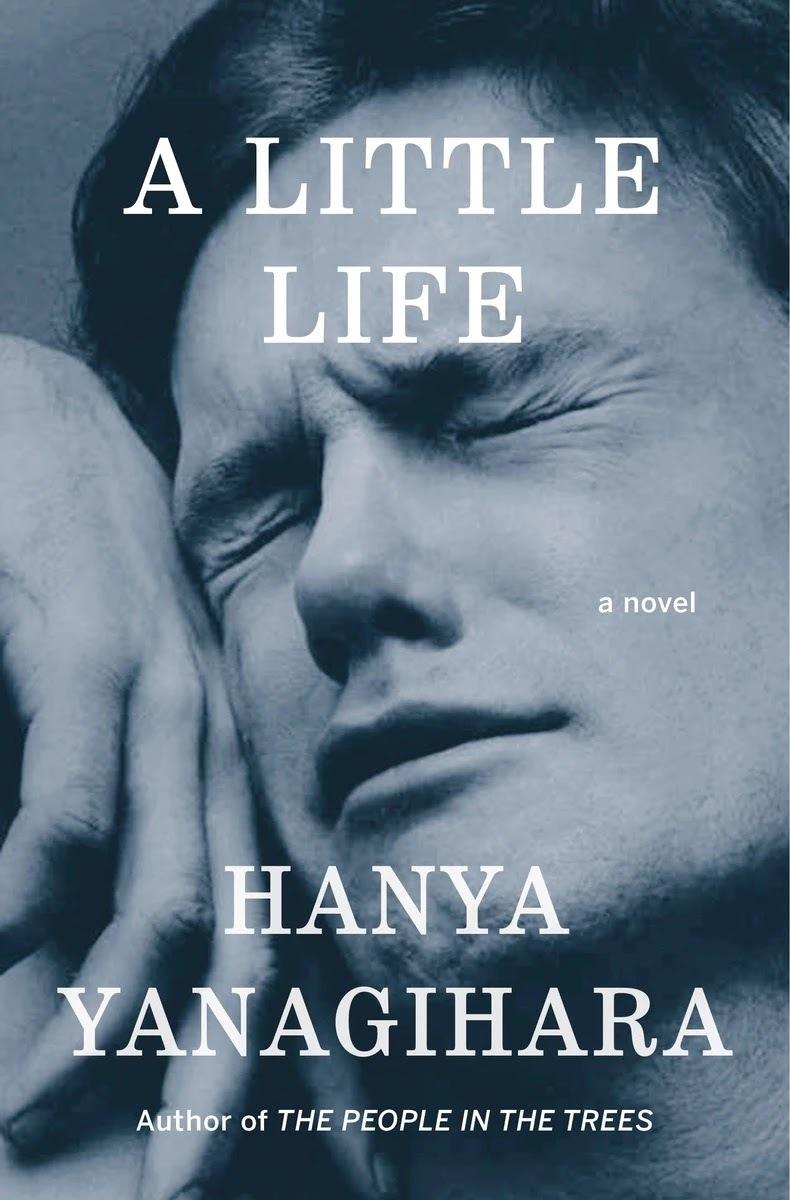
A Little Life, by Hanya Yanagihara, traces the entwined lives of four college friends—Jude St. Francis, Willem Ragnarsson, Malcolm Irvine, and Jean-Baptiste "JB" Marion—who forge their careers in New York City. They arrive full of hope, each dreaming of success in law, acting, architecture, or art. Their bond stays strong as they climb their respective ladders, sharing apartments, nights out, and the quiet solace of friendship. But amid their triumphs, Jude carries a dark past he cannot name.
In the vibrant early years, the quartet supports one another. Willem basks in small acting roles while Jude excels at a prestigious law firm. Malcolm designs modern spaces. JB gains recognition for his bold paintings. They laugh over dinners of cheap takeout and keep each other afloat through heartbreaks. These moments feel almost ordinary—until cracks begin to show in Jude’s carefully controlled life.
Jude’s body betrays him through sudden bouts of pain. He refuses to explain why his legs no longer work properly or why he hides scars on his arms. His friends worry, but Jude insists he’s fine. When Willem gently presses him to see doctors, Jude nods and smiles, then retracts into himself once more. His silences grow heavier as his sense of belonging grows more fragile.
Meanwhile, JB’s pastel-colored canvases win gallery praise, and he drifts into hedonistic parties. He rails against Jude’s refusal to open up, claiming his own art feeds on emotional honesty. Malcolm tries to calm them both, and Willem reminds them that Jude’s privacy deserves respect. The room tingles with tension as JB storms off, painting darker images in the studio that year.
One evening, Jude collapses in pain beneath the Manhattan rain. Willem finds him, drenched and curled into the gutter, whispering for help. The ambulance ride reveals Jude’s brittle bones, a condition requiring constant medical care. At the hospital, the doctors diagnose him with a rare connective-tissue disorder. Jude’s relief at having a name for his pain collides with the terror of a lifelong prognosis.
As Jude recovers, the friends rally around him. Malcolm tries to build a wheelchair ramp at Jude’s apartment. JB creates a series of raw portraits showing Jude’s vulnerability. Willem moves in temporarily to cook meals and remind Jude he is not alone. Their efforts smooth some rough edges of Jude’s emotional wounds, but they cannot reach the deepest scars.
Gradually, Jude allows snippets of his childhood to surface. He whispers about cruel foster homes and a monk who abused him. He tells Willem about the orphanage where he dwelled in silence, starving for kindness. Each memory drains him until he can barely stand. Willem holds his hand, sorrow mixing with rage at whoever hurt Jude first.
In the months that follow, Jude seeks therapy. He visits Caleb, a sympathetic psychiatrist, who listens without judgment as Jude breaks open. He sobs over self-hatred and shame. He trembles recalling violence done to him. At times, progress feels impossible. Yet with each session, Jude edges closer to forgiving himself, discovering threads of self-worth woven into the remnants of his shattered heart.
Despite Jude’s growing trust in his friends, he battles recurring nightmares and despair. He avoids relationships. He can’t tolerate romantic love even when disarmingly bright suitors appear in his life. When Willem confesses his own love, Jude panics. He retreats into silence. Willem refuses to give up. He visits daily, reads aloud, and stays through Jude’s darkest hour, embodying a steadfast love that demands no explanation.
JB’s art grows increasingly bold, yet he senses a distance between himself and Jude. He channels guilt into canvases that hang over Jude’s bed, each brushstroke a wordless apology. When JB falls into addiction, Jude arranges an intervention by calling Malcolm and Willem. They rescue JB from a downward spiral. Watching Jude lead the charge surprises everyone. In that moment, Jude’s strength shines brighter than his weaknesses.
As the friends mature into their thirties, their achievements pile up. Malcolm’s architectural firm wins awards. JB recovers his career and opens a gallery. Willem lands a starring role in a major film. Jude becomes a partner at his firm. Still, Jude’s body continues to betray him. He endures endless surgeries. He battles infections that threaten amputation. Yet he persists, buoyed by the love around him.
One summer, Willem marries a fellow actor, and Jude stands at his side. He smiles through tears, wishing he could feel joy without fear. At the reception, Jude steals away to the rooftop, craving solitude. Willem follows, placing his hand over Jude’s beating heart. They share a quiet dance beneath the city lights, a moment of fragile normalcy.
Tragedy strikes when Willem dies in a car accident. Jude discovers the wreckage alone on a quiet road. His grief fractures him. He stops eating and sleeps under his desk at work. Malcolm finds him after days without word. Jude barely recognizes himself in his own hollow gaze. In that instant, Jude’s carefully built walls crumble.
After Willem’s death, Jude allows his despair to swallow him. He refuses all help and drifts away from his friends. Then one night, he locks his apartment door and leaves no note. Hours later, his body is found. They mourn the friend who never fully believed he deserved a happy ending.
In the wake of Jude’s suicide, JB and Malcolm sift through mementos of their friend. They find his journals filled with stories of love and pain, sketches of Willem’s smile, and dreams he never dared share. Each page reminds them of Jude’s fierce intelligence, his resilience, and his need for acceptance. They vow to honor him by living fully, carrying his story with them into the world, ensuring he is never forgotten.
Detailed Summary
Plot Summary
1. Cambridge Origins
Jude St. Francis arrives in New York as a quiet law student, living with his friends Willem, JB, and Malcolm. They share a loft in Manhattan, forging a close bond that feels more like family than friendship. Jude excels at Harvard Law but masks deep physical pain and emotional scars.
Meanwhile, the group’s dynamic unfolds. Willem, Jude’s roommate and aspiring actor, provides steadfast support. JB offers creative flair as an artist, while Malcolm balances pragmatism and loyalty. They each sense Jude’s reserve but hesitate to press him.
As their careers take off, Little Finley’s past remains hidden. His limp, tethered to a lifetime of surgeries, contrasts sharply with his brilliant mind. Though he counsels clients with confidence, he recoils when spoken of as vulnerable.
2. Legal Career and Friendship Strains
Jude joins a top corporate law firm and rises to partnership. He navigates high-stakes cases, earning respect despite his quiet demeanor. He mentors younger lawyers but remains haunted by guilt and shame from a childhood of abuse.
His long work hours and silence on personal matters create distance. Willem’s acting career gains momentum, inviting adoration and new social circles. JB wrestles with envy, channeling it into art but sometimes isolating himself.
Tension peaks when JB paints a caricature of Jude’s pain without consent. Jude feels exposed and betrayed. Though Willem and Malcolm mediate, the group’s unity cracks, setting the stage for deeper wounds to surface.
3. The Past Surfaces
After a painful hospitalization for chronic ulcers, Jude breaks down and reveals fragments of his childhood in an orphanage. He recounts unspeakable abuse by Brother Luke and later exploitation by Caleb. Willem, JB, and Malcolm listen in horror and outrage.
The friends rally around Jude. Willem pauses his Broadway debut to care for him. JB organizes a gallery show to raise funds for Jude’s medical bills. Malcolm secures a more flexible job. Their love grows purer when confronted by Jude’s suffering.
Jude struggles to accept their kindness. Shame shuts him down again. Yet sporadic breakthroughs allow him to open up about loyalty and loss. He senses that healing may lie in friendship, but doubt lingers.
4. Julian's Decline and Jude's Crisis
Willem embarks on a relationship with Jude’s doctor, Dr. Traylor, leaving Jude feeling abandoned. Betrayed and isolated, Jude contemplates self-harm for the first time in years. He refuses therapy, convinced he’s irreparably damaged.
JB’s career success takes him to Paris, widening the physical gap among friends. Malcolm marries and moves to Los Angeles, adding emotional distance. Jude isolates himself further, withdrawing into silence and pain.
When Willem discovers Jude’s attempt at suicide, he drops everything and rushes back. Willem’s urgent care pulls Jude from the brink, but the crisis exposes the fragility beneath their love. Jude promises to keep fighting, clinging to the hope Willem reignites.
5. Tragic Resolution and Aftermath
Jude and Willem marry in a small ceremony, finding a fragile happiness. Jude’s health remains precarious, marked by pain and surgeries. Yet for a time, they build a home together and dream of a future.
After a small celebration, Willem is killed in a traffic accident. Jude’s world fractures anew. He sinks into grief and suicidal despair, feeling the loss as an unbearable weight.
In the final pages, Jude takes his own life. His friends discover his note, torn between regret and acceptance. In death, Jude never fully escapes the trauma he carried. The survivors piece together memories and carry his story forward.
Characters
1. Jude St. Francis (Protagonist)
“But what I see is that I’m not good enough to be your boyfriend, let alone your husband.”
Jude epitomizes resilience in the face of unfathomable trauma. As a brilliant lawyer, he commands respect, yet daily life brings relentless physical pain. His stoicism masks deep wounds from childhood abuse. He resists love and kindness, convinced he’s unworthy of either.
Despite his self-loathing, Jude forms bonds of profound loyalty. He sacrifices for friends, and his quiet strength anchors the group. His journey reveals the paradox of suffering: great pain can both destroy and deepen the capacity for love. In the end, his seeks peace in death rather than endure more loss.
2. Willem Ragnarsson (Key Supporting Character)
“I’m not going anywhere, Jude.”
Willem bursts with warmth and humor, a natural actor who draws people in. He harbors fierce loyalty to Jude, standing by him through hospital stays and breakdowns. His steady presence offers Jude a glimpse of unconditional love.
As his stage career flourishes, Willem struggles to balance ambition and devotion. He puts Jude’s needs first, even as he craves personal success. His tragic death underlines the precariousness of joy. In his love, he shows Jude a life worth living.
3. JB Marion (Key Supporting Character)
“Art is a lie, but it tells the truth.”
JB is a bold artist whose charisma masks insecurity. He channels envy of Jude and Willem into provocative work, sometimes crossing boundaries. His flamboyant nature contrasts sharply with Jude’s silence, but he shares Jude’s need for validation.
Through betrayal and reconciliation, JB learns empathy. He reorganizes his life around Jude’s needs after learning of Jude’s past. His art evolves from self-indulgence to a tribute to friendship and survival.
4. Harold Stein (Mentor and Ally)
“I’ll feed you meatloaf. No questions asked.”
Harold is Jude’s gentle lawyer mentor and a father figure. He offers professional guidance and a safe home when Jude flees his apartment. His calm wisdom and dry humor give Jude a rare sense of family.
Harold never pressures Jude to disclose more than he wants. He respects boundaries but pushes Jude toward healing. His presence reminds Jude that trust and stability are possible.
Themes Analysis
1. Trauma and Resilience
Yanagihara explores how childhood abuse leaves lasting physical and emotional scars. Jude’s body bears witness to his past through chronic pain and surgeries. Yet he transforms trauma into a driving force for achievement in law.
The narrative suggests resilience can coexist with suffering. Jude’s struggle shows that survival requires more than strength; it needs compassion from others. His eventual decision to end his life does not negate his resilience but underscores the toll of unresolved pain.
2. Friendship as Family
The quartet of Jude, Willem, JB, and Malcolm blurs lines between friends and chosen family. They share apartments, careers, and crises. Their bond provides refuge from isolation and a counterpoint to Jude’s distrust.
This theme highlights love’s power to heal but also its fragility. When friends scatter or betray, the loss can mirror childhood abandonment. Jude’s tragedy shows that even deep friendship can’t erase past wounds, though it can illuminate moments of grace.
3. Identity and Self-Worth
Jude’s self-perception stems from years of shame and abuse. His law career and friendships feed his sense of worth, yet he always questions his value. The novel examines how identity hinges on both inner dialogue and external validation.
Through Jude’s voice, Yanagihara asks whether anyone can fully overcome self-hatred. Even acceptance and love sometimes fail to break the cycle of doubt. The tension between who we believe we are and who others tell us we are drives Jude’s inner conflict.
Key Plot Devices
1. Flashbacks
Interwoven flashbacks reveal Jude’s harrowing past in fragmented glimpses. This structure mirrors trauma’s intrusion into the present, forcing readers to piece together his history.
By delaying full disclosure, the novel builds suspense and deepens empathy. Each new detail reframes Jude’s actions and relationships, highlighting how memory shapes identity.
2. Epistolary Excerpts
The novel uses letters and notes sparingly—Malcolm’s wedding invitation, Jude’s final note—to convey emotional truth. These brief texts punctuate the narrative’s flow with intimate asides.
They stand out as moments of raw honesty, contrasting with Jude’s habitual silence. The epistolary device amplifies the weight of unsaid words and underscores the power of confession.
3. Corporeal Scars
Jude’s physical scars—from surgeries, ulcers, and self-harm—serve as a constant reminder of his trauma. His body becomes a canvas on which his history is permanently inscribed.
This device links physical and emotional pain, making Jude’s interior life visible. It forces both characters and readers to confront the lasting impact of abuse beyond psychological symptoms.